


BTTR is independent. We may earn a commission if you buy through our links.
Why trust us? | How we test
For better or worse, today's smartphones run one of two different operating systems: iOS or Android. If the phone wasn't made by Apple, it's probably powered by Android.
According to data from Kantar, Android powered 48.7 percent of Australian smartphones in December 2023. iOS made up 50.3 percent.
Because Android isn't locked to hardware in the same way as iOS, it means that most phones released today are powered by Android. Manufacturers do have a tendency to add their own artistic style to the user experience.
And if your budget isn't too tight, see our guide for the best phones in Australia. We also recommend the best cheap phones, and the best camera phones.
We’ve also rounded up the best brand phones as well:
These are the best Android phones we've tested:
Best overall: Samsung Galaxy S24 Ultra
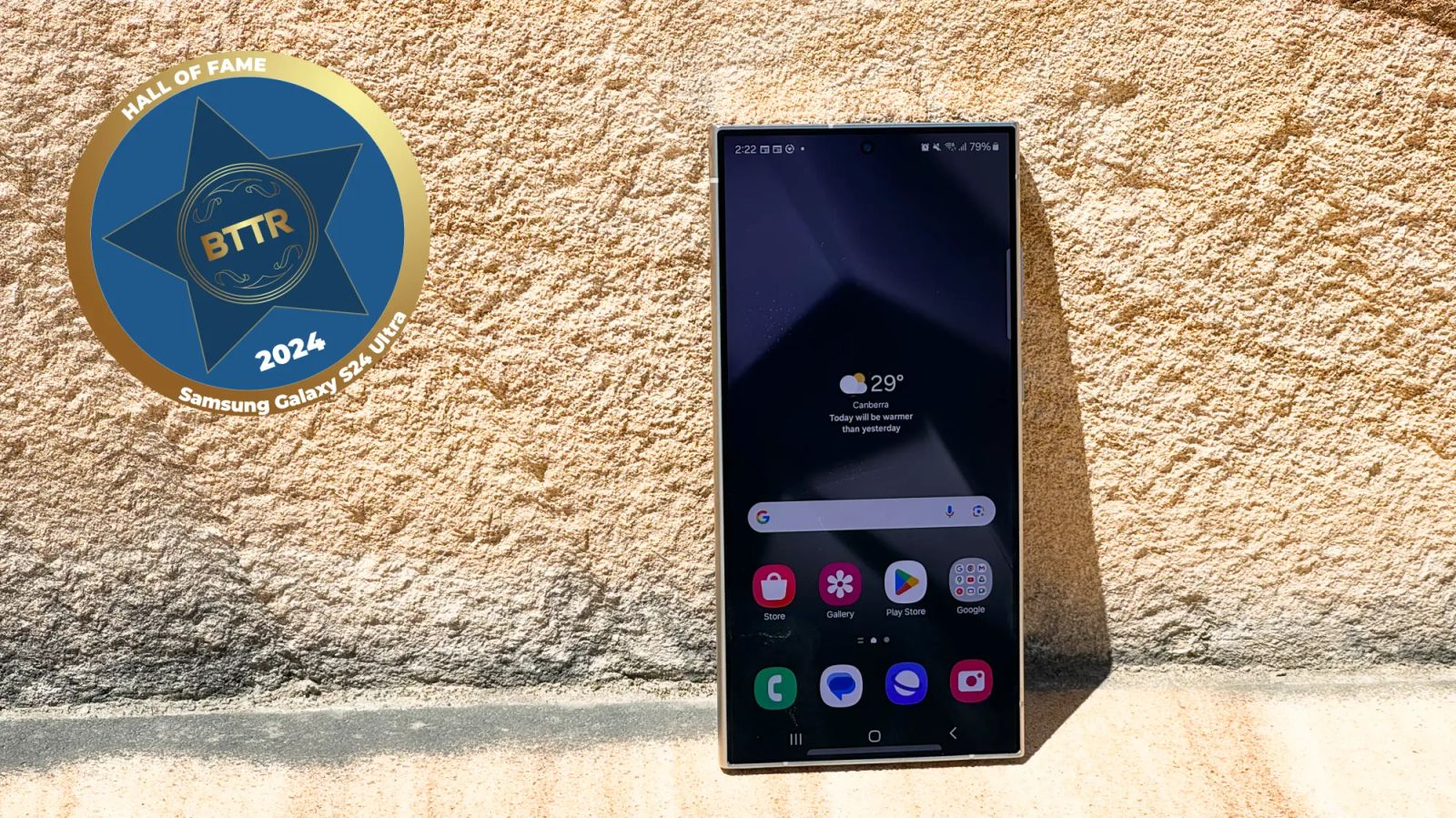
Samsung's Galaxy S Ultra model has dominated this list since I first created it. The Galaxy S24 Ultra, as the most recent version, moved in nice and quick.
It's an expensive piece of kit, but it also offers phenomenal performance. It is lightning quick to tackle any task, seemingly anticipating your instructions before you make them.
The camera array is easily one of the best you will find on any smartphone currently available. It takes fantastic shots in all lighting conditions.
Some of the AI features aren't intuitively accessible, and perhaps aren't as groundbreaking as the marketing would have you believe. But the good news is that they are optional, though, so it's not really a negative.
If you're after one of the most powerful smartphones in the country, then this is where to start.
 Nick Broughall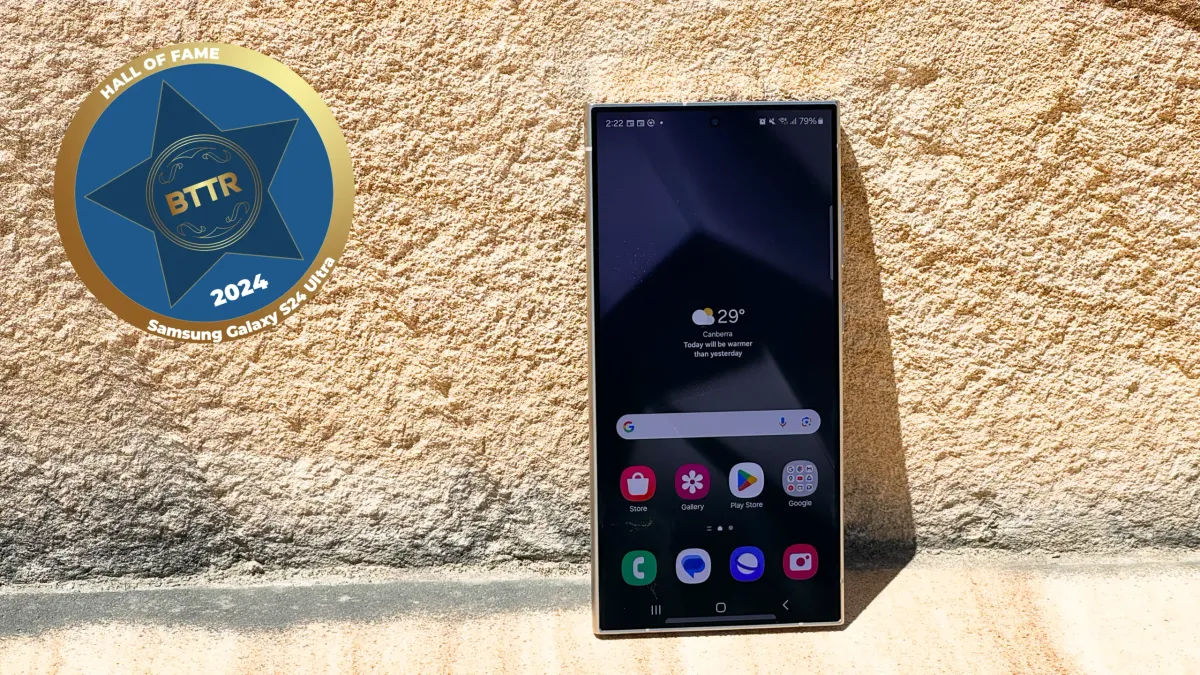
Best flip phone: Motorola Moto RAZR 50 Ultra
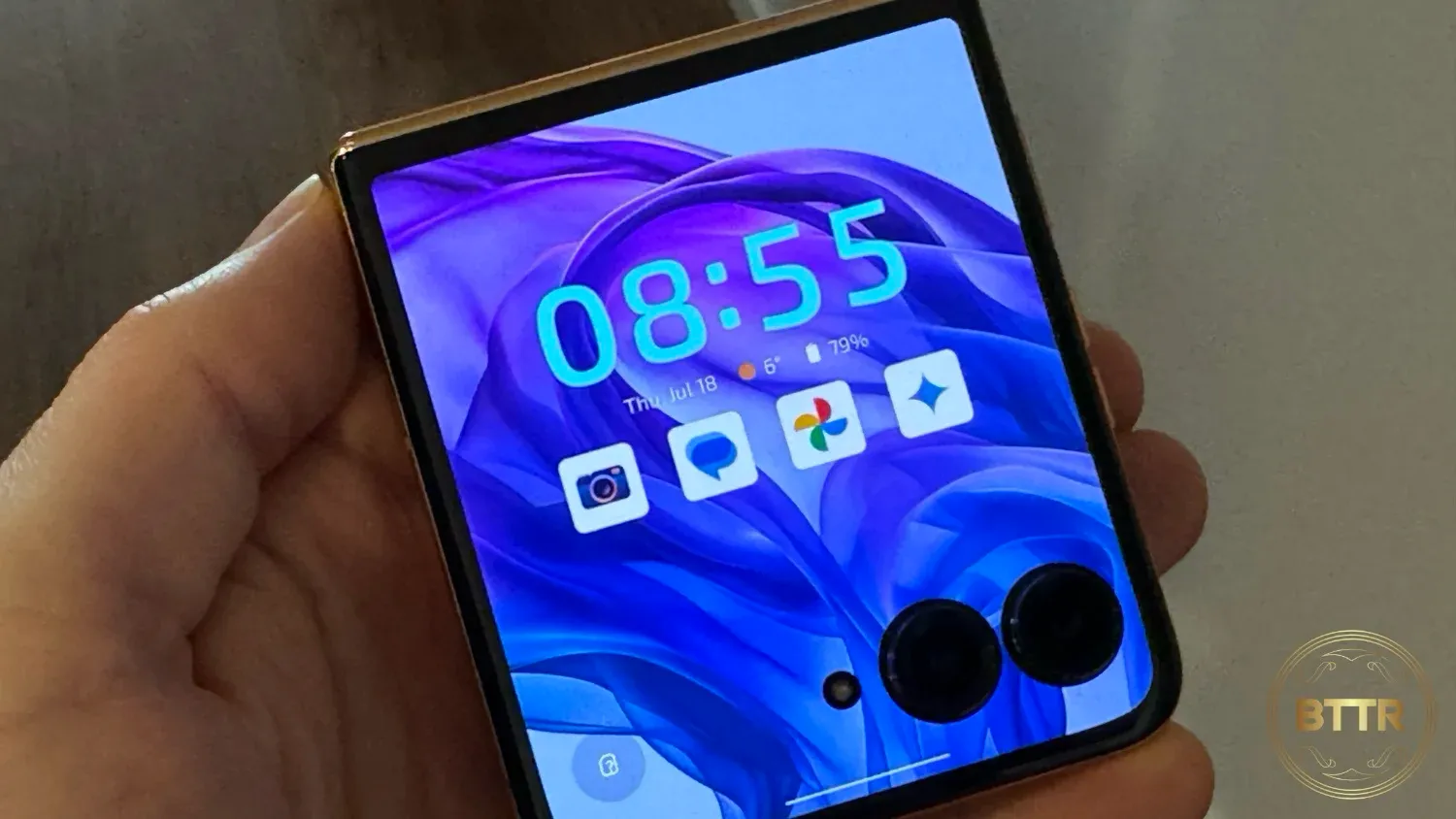
Motorola has smashed it out of the park with its 2024 flagship, the RAZR 50 Ultra.
The external display is absolutely stunning. It wraps around the twin cameras and shines across all four inches. The size means that the Motorola can offer access to full apps on the smaller display.
In addition to the external screen and the great internal folding screen, the RAZR 50 Ultra also has impressive cameras, and while the decision to include a telephoto lens rather than an ultra-wide may not suit everyone, I found it better for my phone photography.
It doesn't have the strongest processor, but it's definitely no slouch. If you're after a foldable phone, this is hands down the model to beat.
 Nick Broughall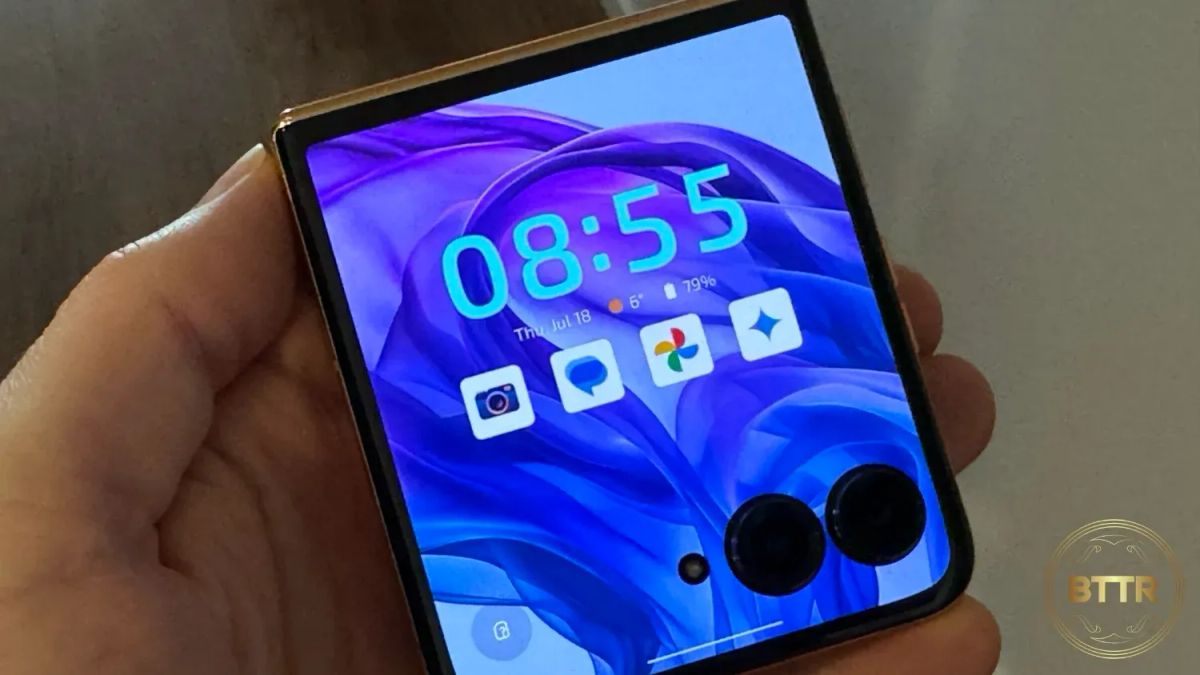
Best foldable phone: Samsung Galaxy Z Fold6
Samsung gave the Fold6 a boosted processor and refined the design to give the phone an IP dust rating for the first time, but they are the biggest changes you'll see on this year's foldable.
Instead, most of the improvements come in the form of software. Samsung has leveraged its AI technology to offer a next-level interpreter, which uses the internal and external displays to let you have a real-time conversation with someone in another language.
It's also offering less impressive AI functions, like being able to add things to images by sketching on them, or turning your photos into average AI-generated portrait images.
But it's still the best foldable phone on the market I've tested. It has heaps of power, and works really well. It's just ridiculously expensive.
Nick Broughall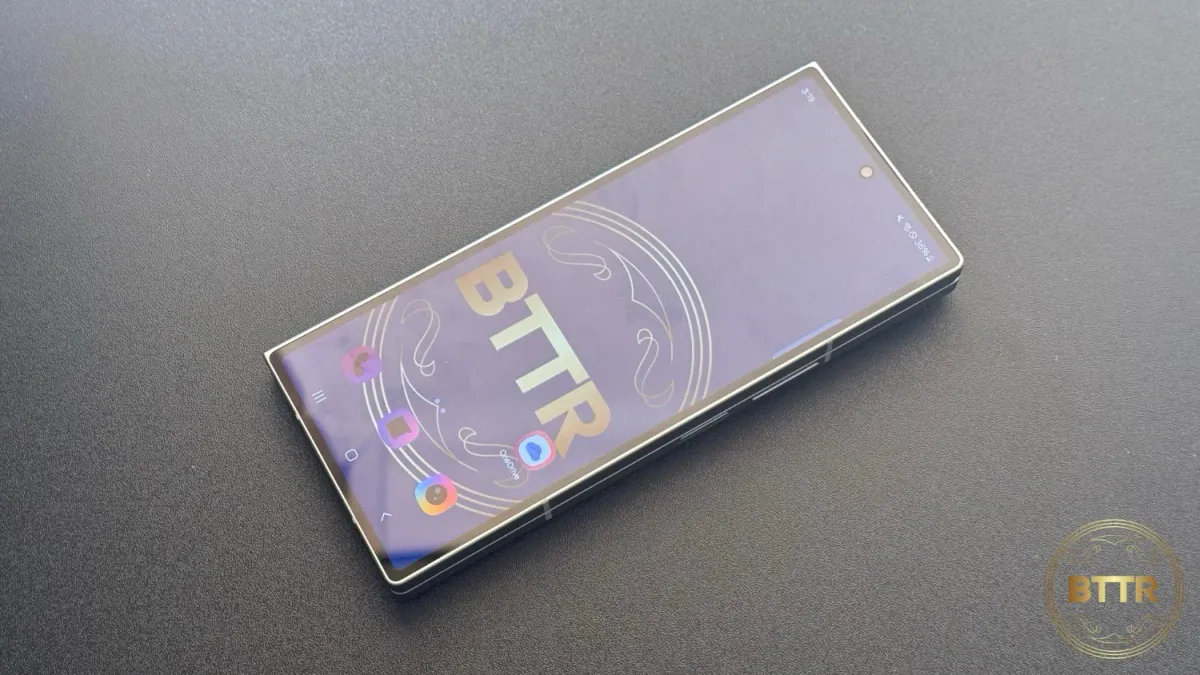
Best flagship for most people: Samsung Galaxy S24 FE
While the Samsung Galaxy S24 Ultra is the flagship with all the bells and whistles that sits at the top of this list, the Fan Edition of the Samsung Galaxy S24 family is a better option for most people.
While it uses Samsung's own Exynos processor rather than the SnapDragon found in the Ultra model, it still performs incredibly responsively and fast.
It has a larger screen and battery than the standard S24 model, yet comes in cheaper than the core phone.
But you still get a great camera array and a brilliant screen, at a fraction of the price. If you are looking for a premium handset without a flagship price, this is a really good option.
 Nick Broughall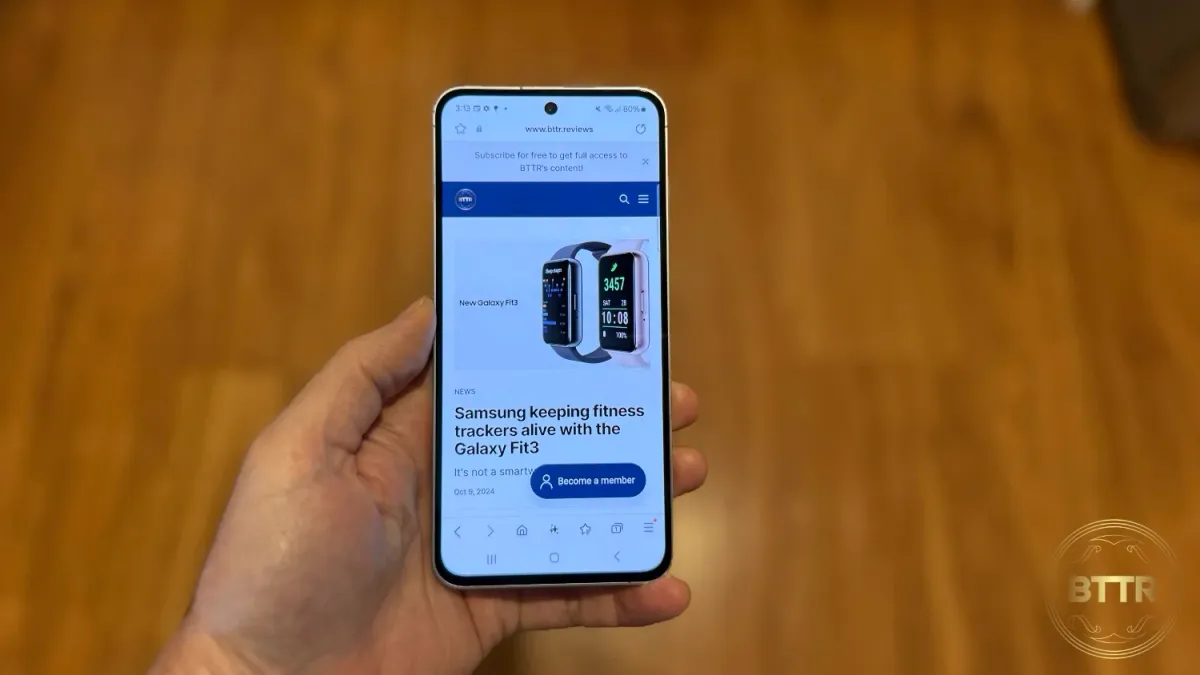
Best large Android phone: Samsung Galaxy S24 Plus
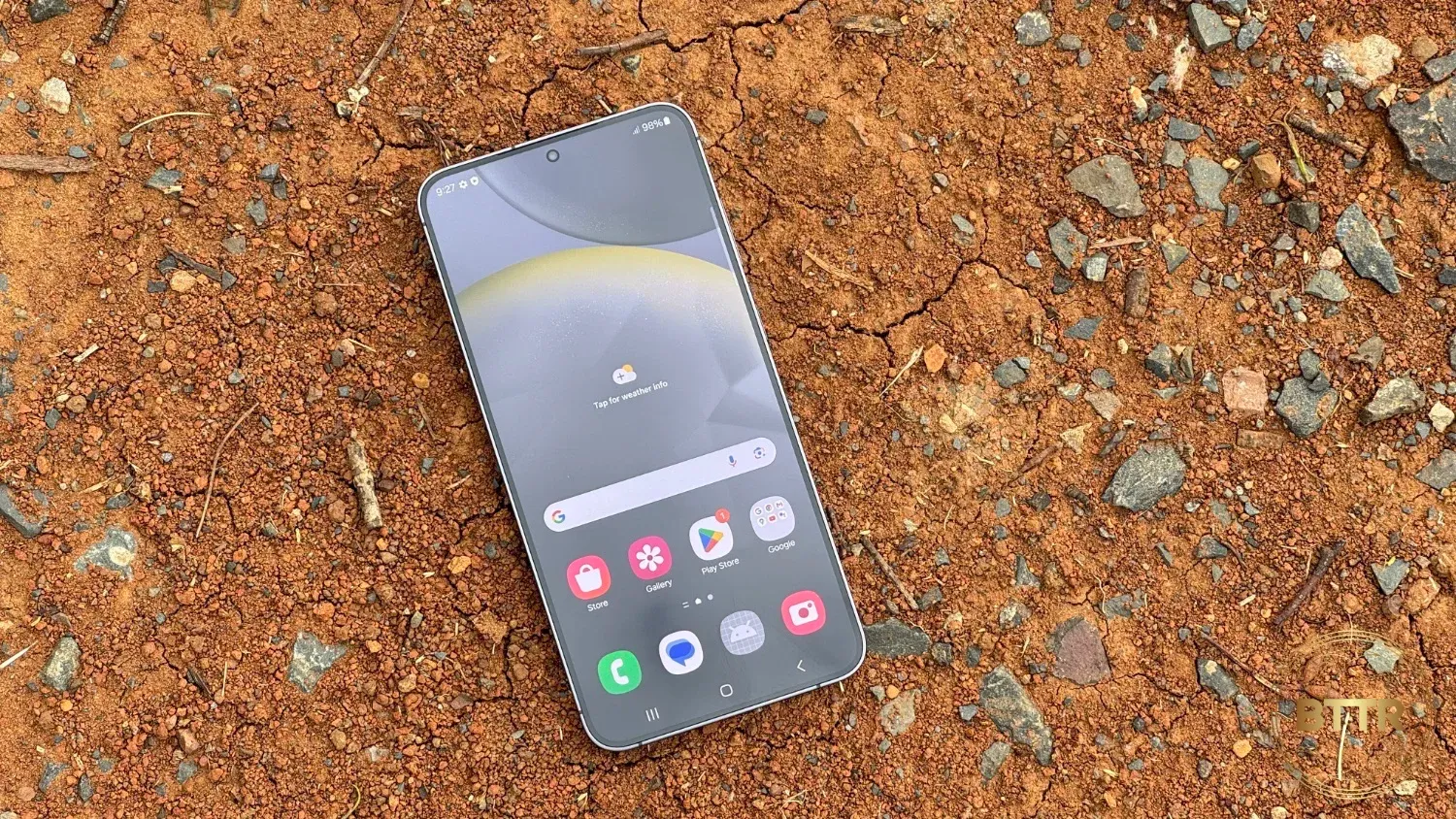
The S24 Plus brings a couple of significant improvements over the standard S24 model this year.
First off, the screen is not only bigger, but also better. In previous models, the Plus sized variant had the standard resolution as the normal model, but the S24+ has a Quad HD+ resolution of 3120 × 1440 compared to the S24's FHD+ resolution of 2340 × 1080.
You also get more RAM in the bigger model, which helps boost performance on the Exynos 2400 processor.
AI functionality is a bit of a letdown given how much focus it had in marketing, but that's true of all AI in my opinion.
It's still pricey, but there's enough here to make it stand a bit taller than its smaller S24 brother. That said, if you want the best, you need the Ultra.
Nick Broughall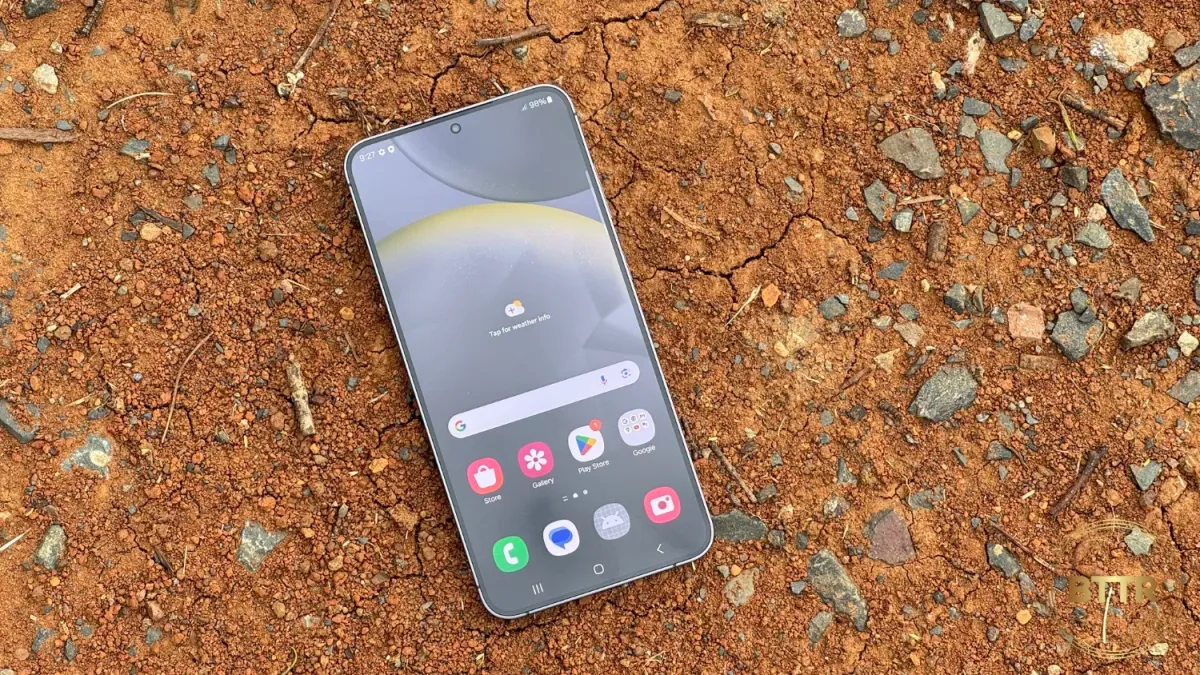
Best cheap Android phone: Nothing Phone (2a)
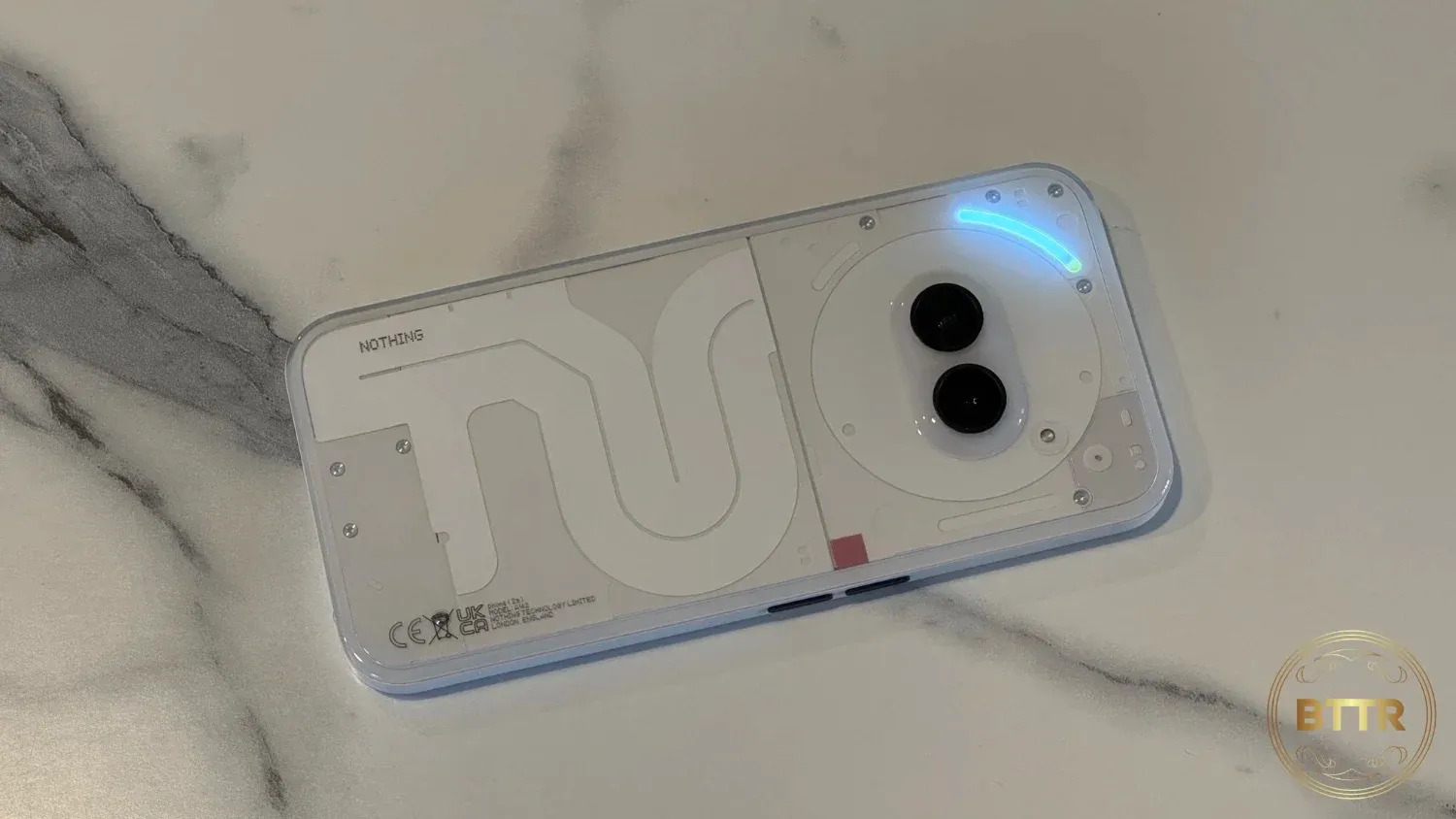
The design ethos behind the Nothing Phone (2) and (2a) is unique, and you'll either love it or hate it. But if you can get past it, the Nothing Phone (2a) offers exceptional value for a budget smartphone.
It absolutely dominates all other smartphones in its price range from a performance perspective, while the cameras and battery life are solid too.
I didn't love the Nothing UI, but this is an Android phone, so you can change the launcher and completely refresh that yourself.
Which all combines to make this an exceptionally well-balanced phone, punching well above its weight for the price.
Nick Broughall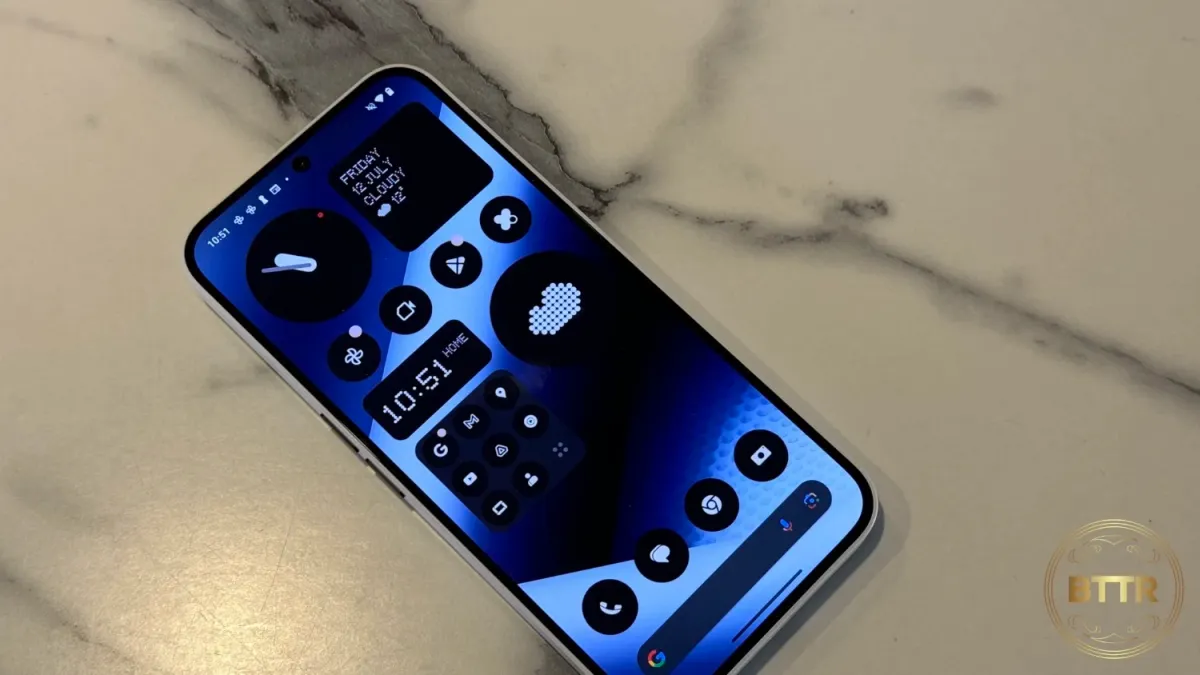
Best for gamers: ASUS ROG Phone 8 Pro Edition
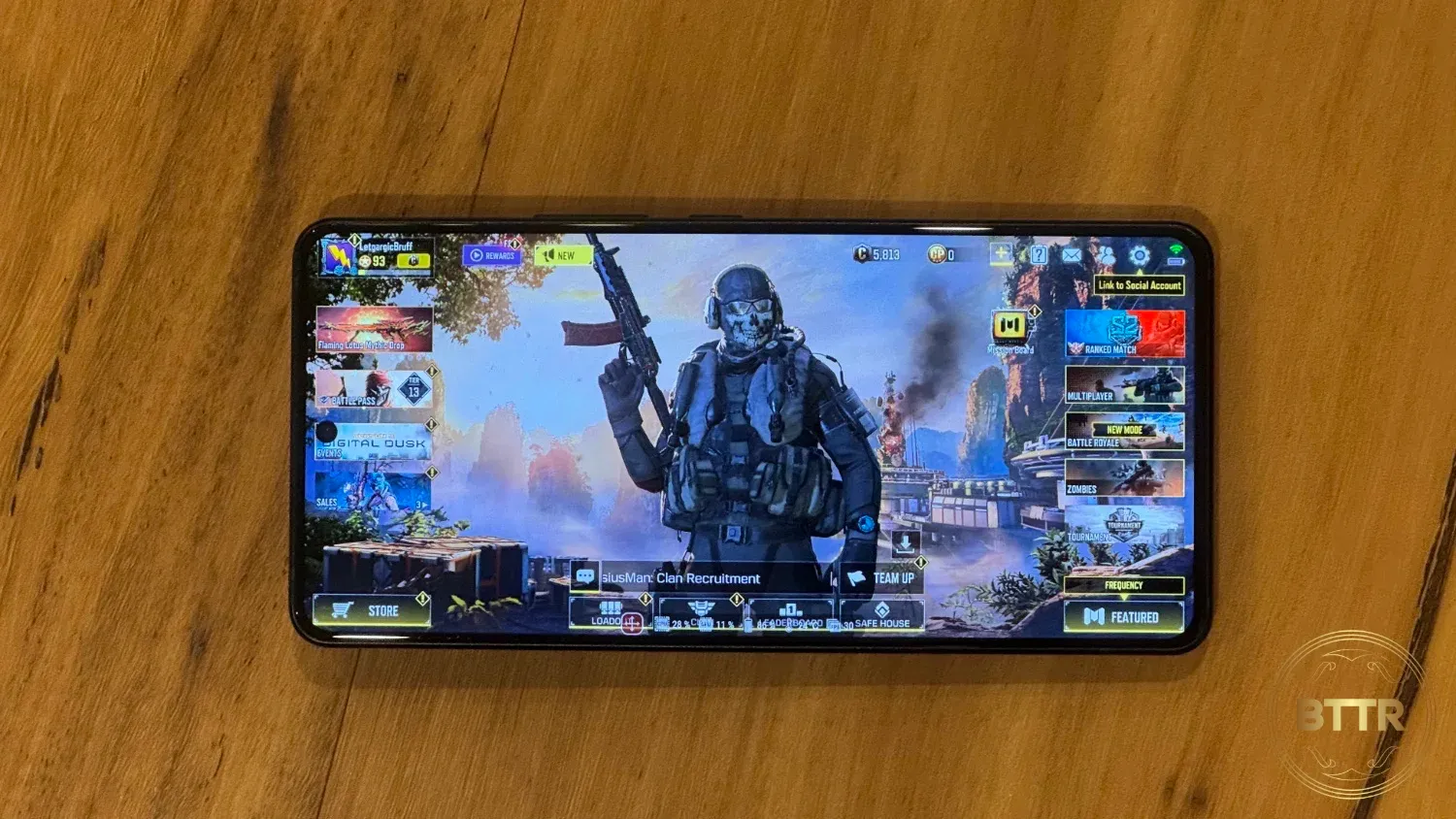
The ROG Phone 8 Pro Edition is the top of the line gaming phone from ASUS, with a whopping 24GB of RAM and a premium Snapdragon 8 Gen 3 processor.
While Android isn't the most obvious platform for high-end gaming, the phone offers deep performance customisation so you can get the most out of each game.
The phone offers capacitive shoulder buttons and a dedicated cooling attachment with a pair of extra buttons, which can both be programmed to control aspects of a touchscreen game.
What's more, the camera is solid and the screen is gorgeous. It may be a gaming phone, but it's powerful and well-featured enough to be listed as one of the best Android phones in Australia right now.
Nick Broughall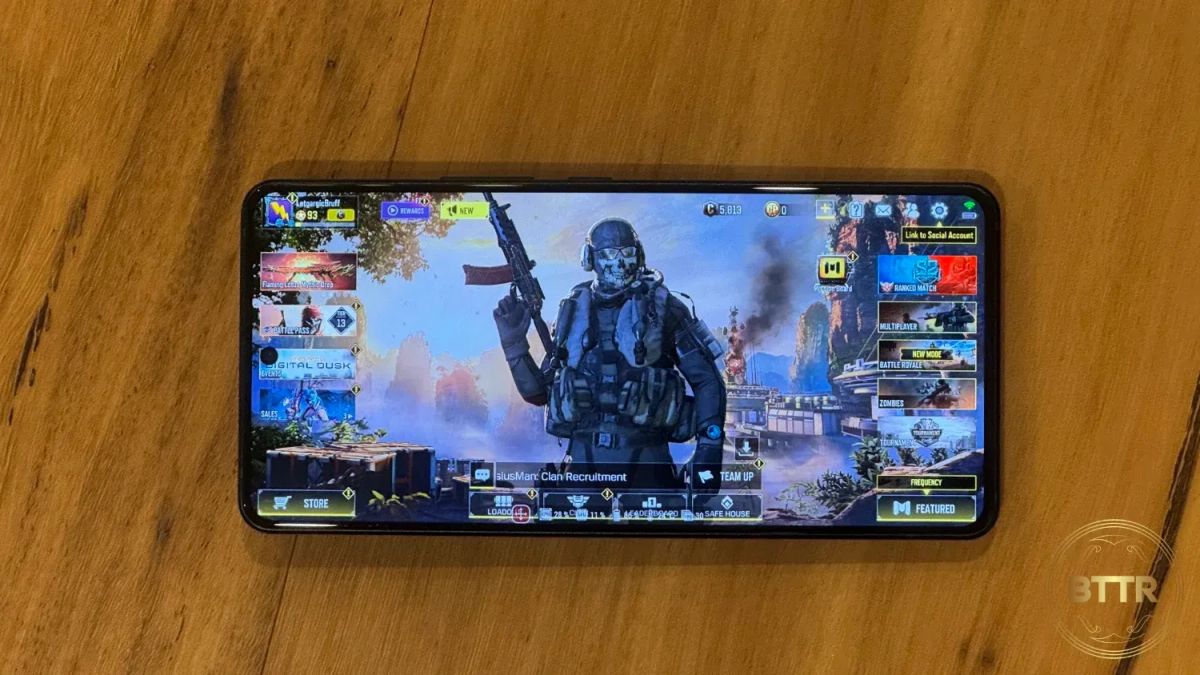
How we chose the best Android phone
I've reviewed hundreds of phones over my career, and more than 20 since I launched BTTR. In that time I learned that review sites - including this one - are subjective by nature. Everybody has a different opinion of what is best.
So for this guide, I’ve recommended my top Android choices from the models I have tested. But also done extensive research to identify the top devices I may not have tested yet.
This research involved combining the products recommended by leading review sites across Australia, and consolidating those recommendations. You’ll find them in the “Also consider” section.
As I continue to test more Android phones, I’ll update this guide to ensure it is regularly up to date.
What to look for when choosing the best Android phone

Whether you're after one of the models listed above or something completely different, the decision factors you need to consider when buying an Android phone is the same.
Design
Your smartphone is going to be the centre of your life. So it's important to choose a smartphone that matches your personality.
While design is completely subjective, it's also super important when choosing the right Android phone for you. For example: you love the colour pink, and want your phone to be pink. But the best phone on the planet doesn't come in pink. Buying that phone probably won't make you happy.
It's important to note that design isn't just about colours either. It's also about comfort. So if you have small hands, an extremely large device is going to be hard to use, and you should consider a device that is comfortable to hold.
Camera requirements
The best camera is the one you have with you. You will almost always have your smartphone with you, so having a good camera onboard is essential.
Fortunately, today's smartphones almost all have really solid cameras, so the baseline is consistently good. For those who want more from their smartphone photography, you can now find models with multiple lenses for zoom or macro photography. You can also find models designed to offer superior low-light shots.
Consider the types of photos and video you will be taking when choosing your smartphone.
Battery life
Despite the rapid development of processing and camera technology in smartphones, battery tech hasn't moved at the same pace.
For the vast majority of devices, you will typically get 1-2 days worth of use before the battery runs out.
Understanding the capacity of the battery can offer some relief here. A 4000mAh battery is more likely to last longer than a 2800mAh battery. Remember, factors like screen size and the efficiency of the processor could impact that result.
Instead, you may want to consider devices with effective low-power modes. This switches off a bunch of features when the battery starts to run low.
Additionally, devices with fast charging can be plugged in for just a few minutes to recover a decent amount of battery power.
Display
This directly connects to the design of the phone, but it's worth considering the quality of the display itself, as well as the size.
Size is important because it will impact the comfort of the phone.
But also look at things like the resolution of the screen and its refresh rate. Resolution refers to the number of pixels that make up the screen.
The more pixels there are, the clearer the picture will be in most cases. Refresh rate could be important if you plan on using the handset to play games or stream sports. Typically a higher refresh rate the better the phone will be at displaying fast moving objects.
Performance
Arguably one of the biggest differences between Android phones are the processors. The chips that power the device can vary dramatically in performance and how quickly they complete tasks.
If your phone is mostly for browsing Facebook or sending text messages, then you probably won't need a powerful processor. If you want to edit photos or play high-quality video games, you are going to need a powerful processor.
Benchmark scores are an easy way to understand how good a processor is at doing its job. It's not foolproof though. Plenty of manufacturers have cheated to make their benchmark scores look better than they really are. However, it is still something to consider when choosing an Android phone.
Price
As with anything, price is a key component. The best Android phones can be extremely expensive, which means that they may not suit everyone's budget.
Because smartphones are updated frequently, it's fairly easy to get a great bargain. Select an older model or a mid-range. These phones deliver really solid performance, but without the premium price tag of newer flagship phones.
FAQ
What is the best Android phone in 2024?
This can vary depending on individual needs and preferences, but popular choices among reviewers include the Samsung Galaxy S24 Ultra, Google Pixel 8 Pro, and the Google Pixel 7a.
What factors should I consider when buying an Android phone?
Key factors to consider include the phone's design, camera capabilities, battery life, display quality, performance, and price.
How can I find a good Android phone that fits my budget?
Consider purchasing an older model or a mid-range phone. These often offer solid performance at a more affordable price.
How important is the phone's processor?
The importance of the processor depends on how you plan to use your phone. If you intend to use your phone for tasks like photo editing or gaming, a powerful processor is crucial.
What does the phone's display quality affect?
The display quality can affect your experience when watching videos, playing games, or simply browsing on your phone. Higher resolution and refresh rates usually provide a better viewing experience.
What is a good battery life for an Android phone?
Most Android phones offer a battery life of 1-2 days with regular use. However, some phones feature power-saving modes or fast charging capabilities that can extend the battery life.
What makes a good camera on an Android phone?
A good camera should be able to capture high-quality photos in various lighting conditions. Some phones also offer features like multiple lenses for zoom or macro photography.
How can I ensure the Android phone I choose will last?
Look for a phone with robust build quality and a promise of software updates for several years. This will ensure your phone stays current and can handle future apps and tasks.
Latest smartphone deals