



BTTR is independent. We may earn a commission if you buy through our links.
Why trust us? | How we test
BTTR is independent, but we may earn money when you purchase through links on our site.
Google as a company is synonymous with the Internet. But the company that once declared a motto of “Don’t be evil” is now very much drawing on the power of the dark side to maximise its profits and limit competition.
Now that a US court has found that Google illegally monopolised Internet search, I feel it is time to de-Google my life.
Across a series of guides, I’ll be sharing my journey to remove my reliance on Google. I’ll compare alternatives, test them out and try to find the best alternatives for my needs.
Google search is a monopoly, but it’s also getting worse
I readily admit I have a deep bias here. Google’s Helpful Content Update in September 2023 and its Core update in March 2024 effectively removed BTTR results from its search engine, even when you searched for a specific review and the brand “BTTR” qualifier.
I wasn’t the only site impacted. Much better publications than mine ended up seeing drastic reductions in traffic to the point they needed to close or lay off staff.
But in the place of independent media sites, Google promoted Reddit, a company it had invested heavily in for training its AI models.
Aside from the actual sites included in search results, Google is also overwhelming its results pages with ads. Search for a product (or the best product), and Google will show an overwhelming number of shopping results, with no justification for their presence.
It highlights more and more YouTube video results, which ultimately means more ad revenue for its parent company Alphabet.
After that, there are the questions of privacy. Google tracks everything you do using its platforms. Sure, it’s anonymised, but all that data is used to target you with ads.
You may feel that the convenience of Google makes sharing that personal information is worthwhile. But it’s worth checking just how much information Google collects. You can head to the My Activity page while signed in to Google and see how much information Google is collecting.
It’s not just your search history or browsing history, either. Google tracks data across all its services, including Android devices, Chrome, and the Play Store.
I just went searching through Google’s data of my search history. Does the tech giant really need to know that I searched for “Doormats” on April 21 in 2019?
It also keeps that data for a really long time, unless you tell it not to. I was just looking at the location history data Google has on my personal account and saw it contained information on a trip to Wellington I made for work in 2014.
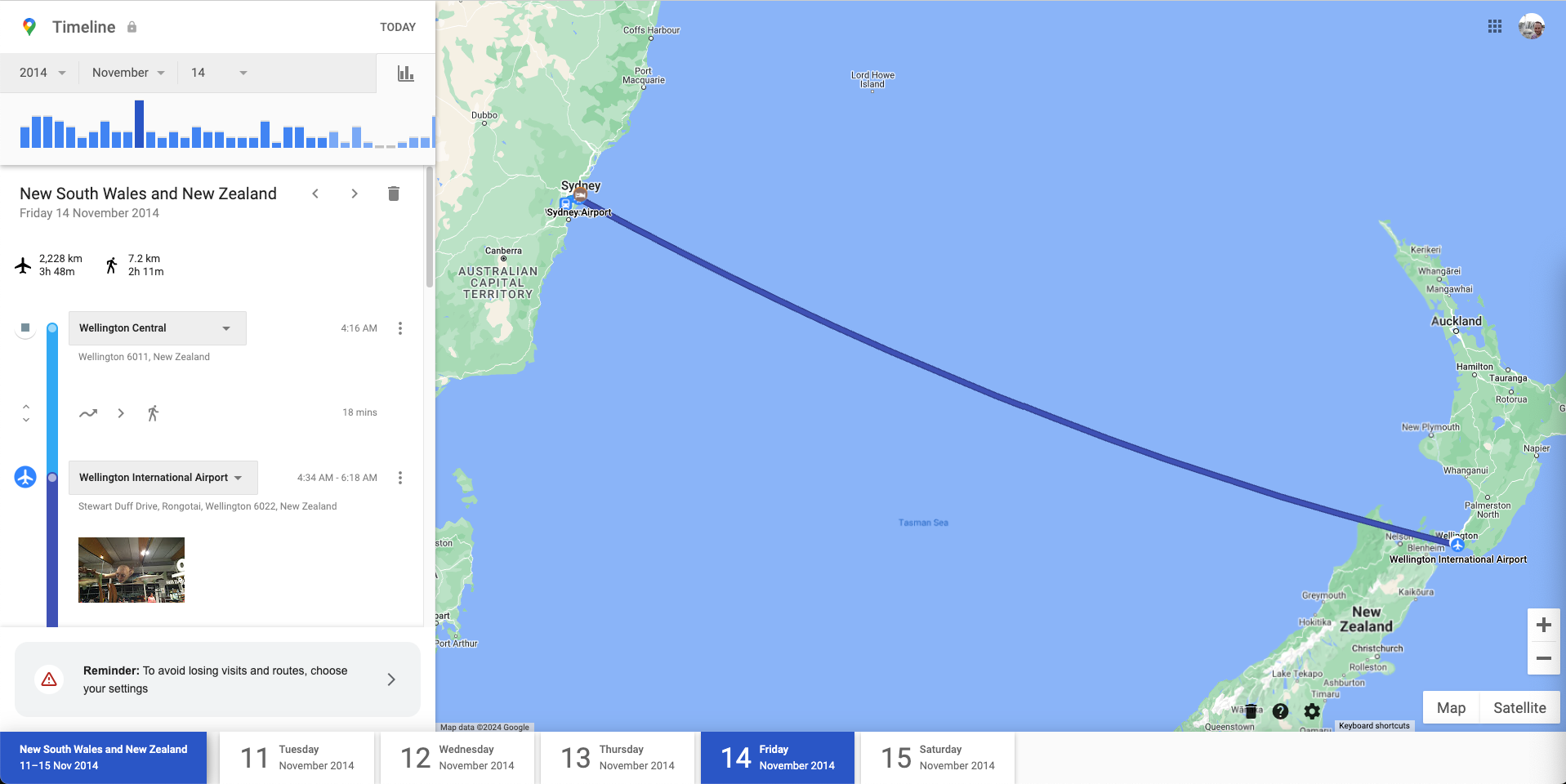
That’s a bit of an eye-opener for me. Particularly when you see it also includes records of photos I took at the time.
It’s important to call out here that you don’t have to share this data with Google. You can opt out.
But the reality is that many people — including myself, apparently — will agree to share this information without even realising it.
This is part of the reason I’m trying to de-Google my life.
Best Google search alternatives
When it comes down to it, the only real search alternative to Google is Microsoft’s Bing. While most of the other search engines bring their own special sauce to the table, the main ingredient remains data from Microsoft’s Bing.
That said, Microsoft Bing is a mess of a search engine. Microsoft is unpleasantly intense with its advertising and is pushing its AI product a little too much for my liking.
Then there’s the same privacy issues. Microsoft may not be as comprehensive as Google in tracking its user data, but it’s still not privacy-first.
So with that in mind, these are the Google Search Alternatives I’ve would recommend.
1. DuckDuckGo
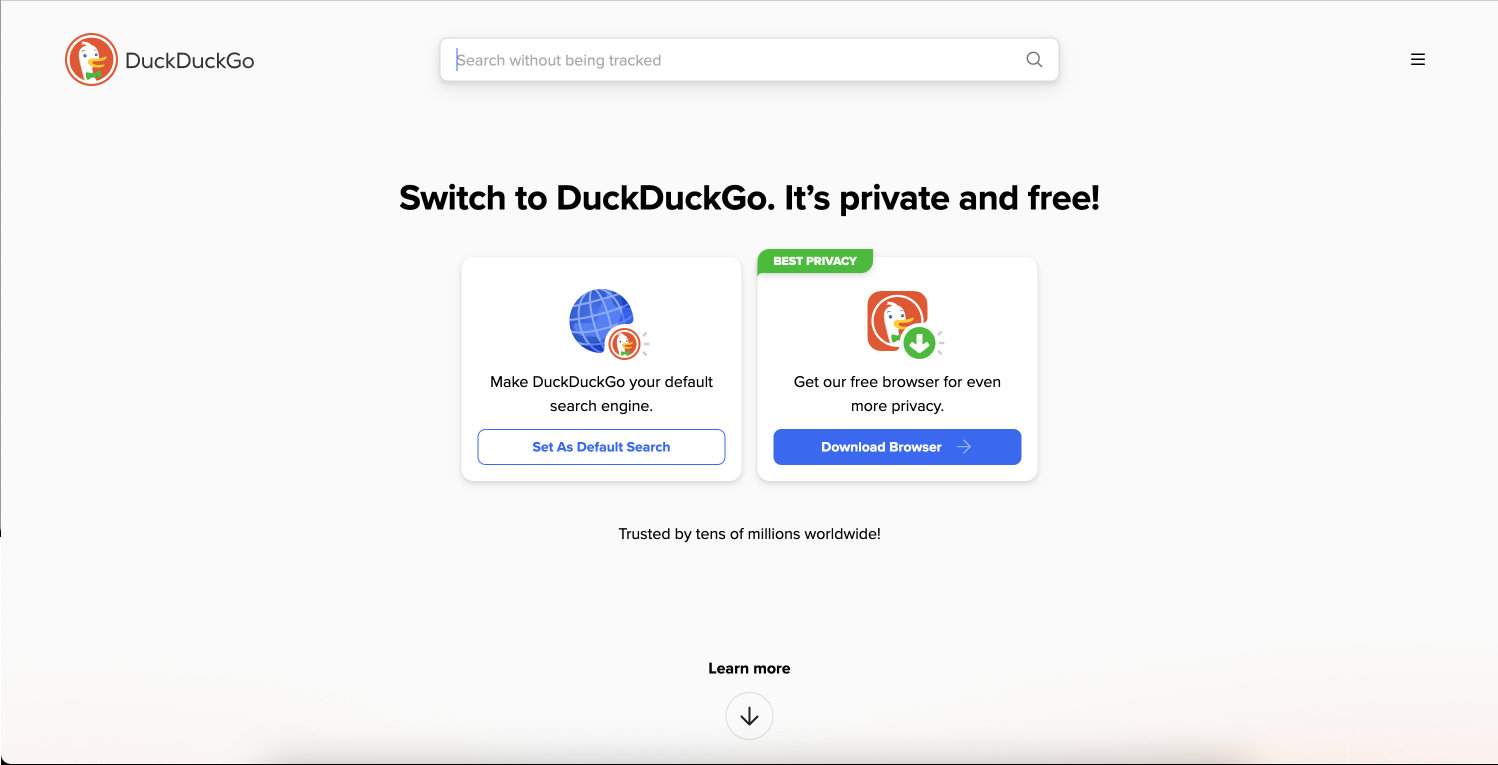
Look, it’s a stupid name. Like, a really stupid name. It’s awkward to say, it’s too long to type, and it doesn’t seem like a brand that you want to promote to your friends.
But DuckDuckGo (I’m calling it DDG from here on out so I don’t have to type it again) is my number one choice for a Google search alternative.
There are two reasons for this. The first is that it’s privacy first by design. DDG won’t track your searches, and searching is always encrypted, so you can ensure your searching is private.
The second reason is that the user interface is familiar. It feels a lot like Google search from about ten years ago, when Google was still trying to deliver the best result instead of make the most money.
2. Startpage
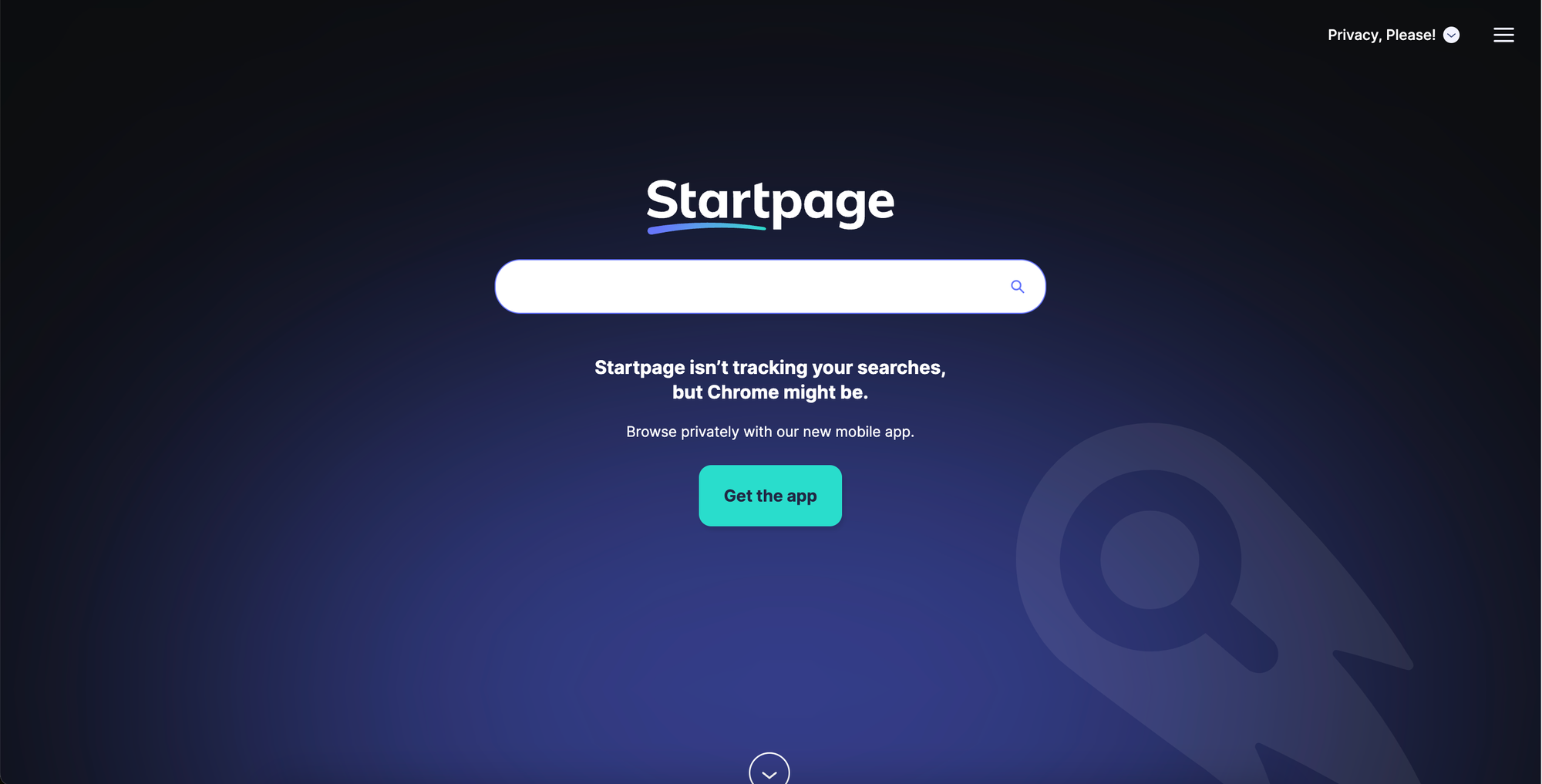
If you want privacy but don’t like Bing’s results, Startpage is the search engine for you. Startpage has been delivering privacy-focused search results since 2006.
Rather than crawling the web itself, Startpage acts as an intermediary between you and other search engines. It takes your search query, enters it into Google and Bing, then returns the results.
This means you get a set of results that more closely mirror Google than Bing, but with the benefit of knowing Google isn’t tracking your every move.
It’s a little slower than some of the other engines I played around with, but given how it collects the results, this makes sense.
3. Brave
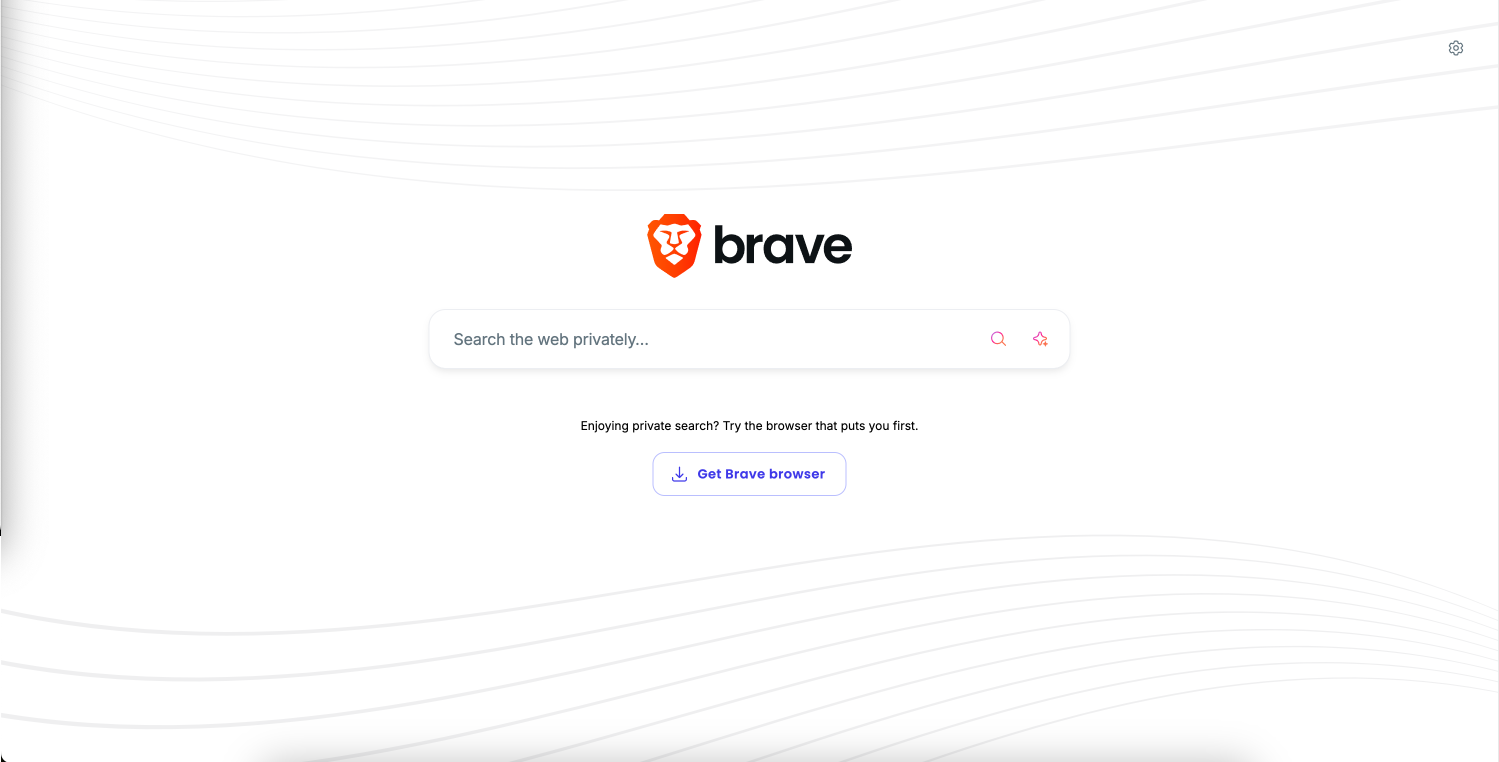
Brave is one of the few real competitors to the might of Google and Microsoft, as it has its own indexing process for websites, meaning it doesn’t rely on Google or Bing for its data.
Yet, Brave still has a private and transparent approach to its users' data, with no personalised search results and the ability to add custom search filters using the “Goggles” feature. This means you can easily create (or use a publicly shared) filter to remove Reddit from your search results, for example.
I do find that quite often the search results don’t live up to my expectations, particularly for Australian specific searches. As a site owner, the lack of a search console for easy indexing of BTTR is a bit frustrating, too.
4. Ecosia
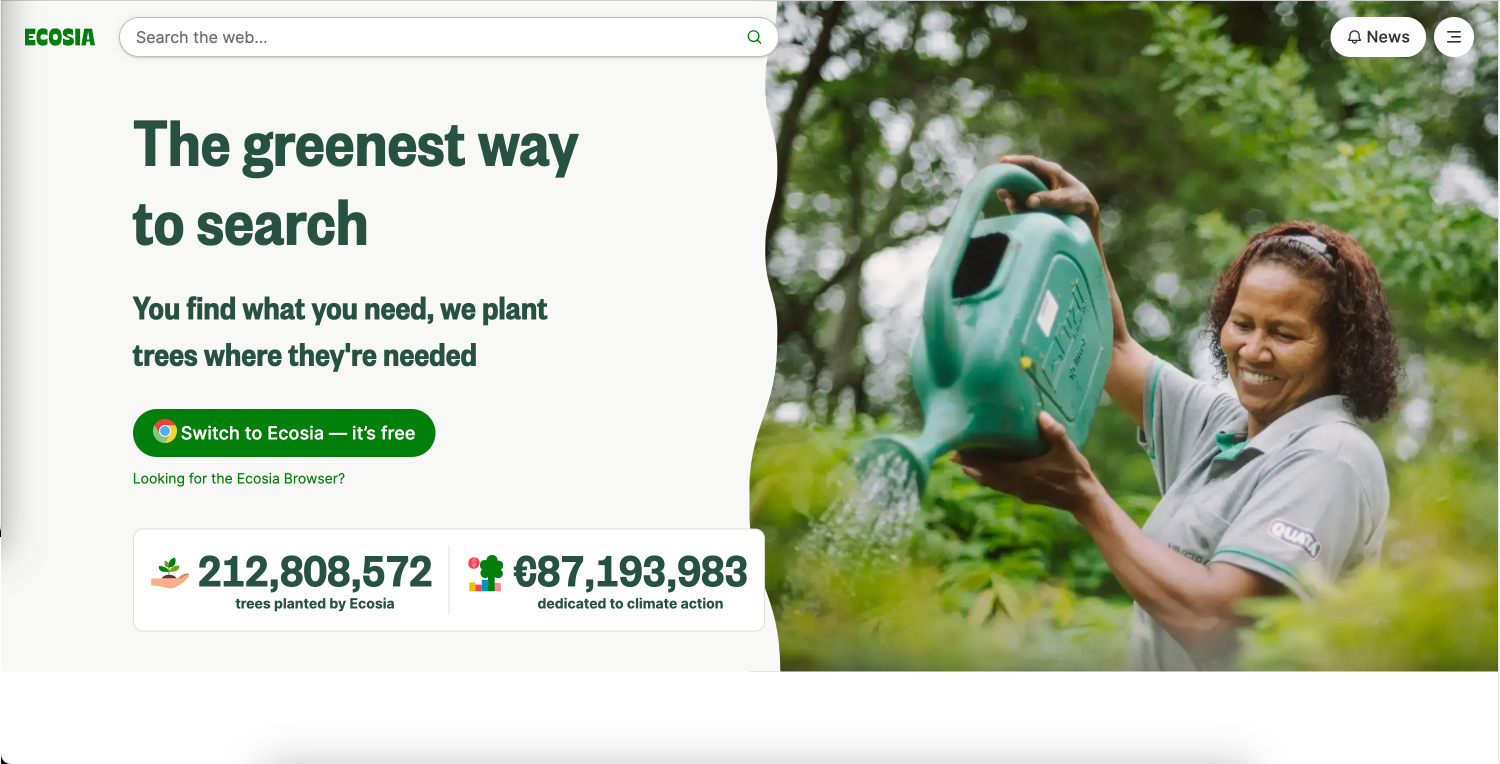
Ecosia is less focused on privacy and more focused on helping save the planet.
All profits from the company are invested into climate action, with the majority going into tree-planting projects around the world.
If the environment is important to you, then you’ll appreciate the transparency around the company’s monthly financial reports, which highlights the brand’s revenue and how the money is spent.
As a search engine, I felt the results were a little stale. I wasn’t entirely happy with the ranking of results either.
But as an alternative to Google, it’s worth consideration.
Swapping the default engine
There's not a huge amount of effort to change from using Google to using one of these alternatives.
Basically, you just need to go to the settings on your web browsers and change the default search engine to the one you're choosing.
Remember to change it on every device you use to browse the web– so your phone, laptop and tablet.
And if you use multiple browsers on a single device, like Safari and Chrome on an iPhone, for example, you'll need to change it on both browsers.
Other options
I’ve had a play around with all the following search engines, but the truth is that I don’t think they are very good, at least not for Australian users.
Some of them are specifically designed for European countries, while others have a pretty underwhelming user experience.
Then there are the bigger players like Bing and Yahoo. I’d avoid them for many of the same reasons you would avoid Google – You are the product, and these tech behemoths will stop at nothing to post a profit, even if it means mistreating their users.
A full list of search engines looked at for this guide
There are other search engines out there, including AI focused attempts like Perplexity, and international engines like Yandex. But I excluded those for a combination of ethical and audience reasons respectively.
Here are the engines I did look at:
Did I miss anything? Feel free to leave a comment or contact me directly to discuss de-Googling your life.