

BTTR is independent. We may earn a commission if you buy through our links. Why trust us?
I love Lego. It's one of those few products that's so timeless, you can give it to pretty much anyone as a gift. I have a collection of Lego Star Wars helmets sitting behind me as I write this article.
As cool as it is, Lego has historically been considered pretty low-tech. Sure, they've dabbled in more advanced technical features, but the Lego bricks themselves are just really strong bits of plastic.
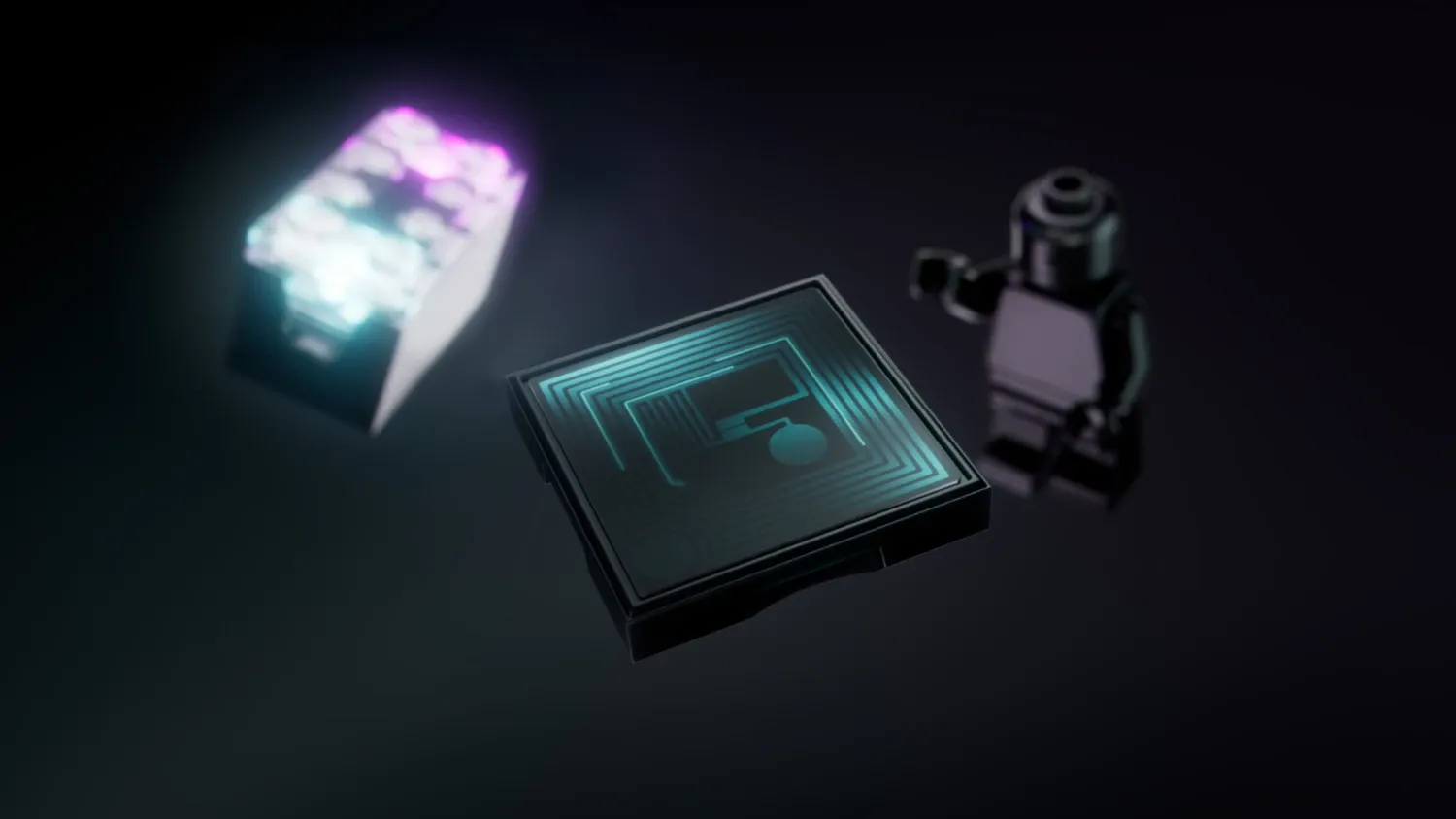
Until now. At CES, Lego announced its Smart Play ecosystem, which adds Smart Bricks, Smart Tags and Smart Minifigs to playsets, to completely upgrade the way your Lego sets work.
The Smart Brick is the heart of the system, and it's packed with over twenty patented technologies into a package smaller than a standard Lego stud. Packed inside that tiny space are sensors, accelerometers, light sensing, sound detection, and even a miniature speaker with an onboard synthesiser.
The Smart Brick is wirelessly charged, too, so you won't need to fumble with cables.
When combined with Smart Minifigs or Smart Tags, your Lego builds will respond to how you play with them. Pick up a Smart Luke Skywalker Minifigure and you'll hear his lightsaber hum. Move an X-wing around, and the engines roar to life. Place Emperor Palpatine on his throne, and "The Imperial March" starts playing. It's reactive play that happens in real-time, all without needing a screen or app.
The system works through three connected components that talk to each other. The Smart Brick is the brain. It contains all the sensors, speakers and processing power.
Smart Tags are small components that attach to specific vehicles, locations or accessories in your build. When the Smart Brick detects these tags, it unlocks contextual features. For example, place your X-wing near a refuelling station tag, and you'll hear the appropriate sounds.
Smart Minifigures work similarly, triggering character-specific audio and reactions when they interact with tagged locations or vehicles.
The best part is that all of these pieces are built using standard Lego connections, so they integrate seamlessly with your existing collection. This isn't a separate ecosystem that only works with itself: You will be able to incorporate Smart Play elements into whatever you're already building.
Lego is calling this the most significant evolution to its building system since the minifigure was introduced back in 1978. That's a big claim, but when you consider how fundamental the minifigure became to Lego play, it shows how seriously they're taking this.
Starting with a galaxy far, far away
The first Smart Play sets will launch on 1 March 2026, and unsurprisingly, they're all Star Wars. Three sets are coming:
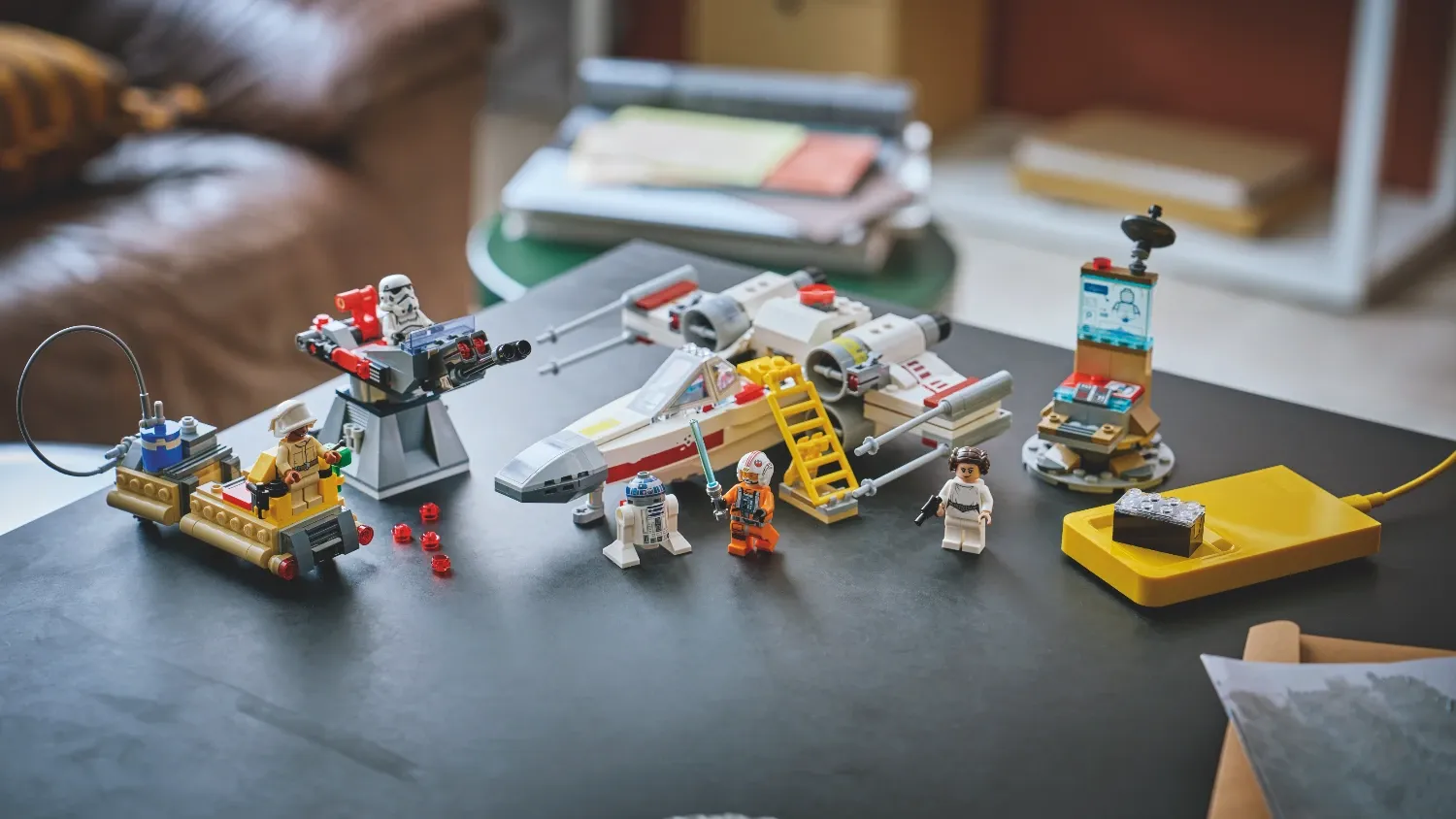
Luke's Red Five X-Wing (584 pieces, $149.99 AUD) includes Smart Minifigures of Luke and Leia, plus R2-D2. You'll get laser sounds, engine noises, lights, and even refuelling and repair sounds as you play with the Imperial turret, transporter and command centre.
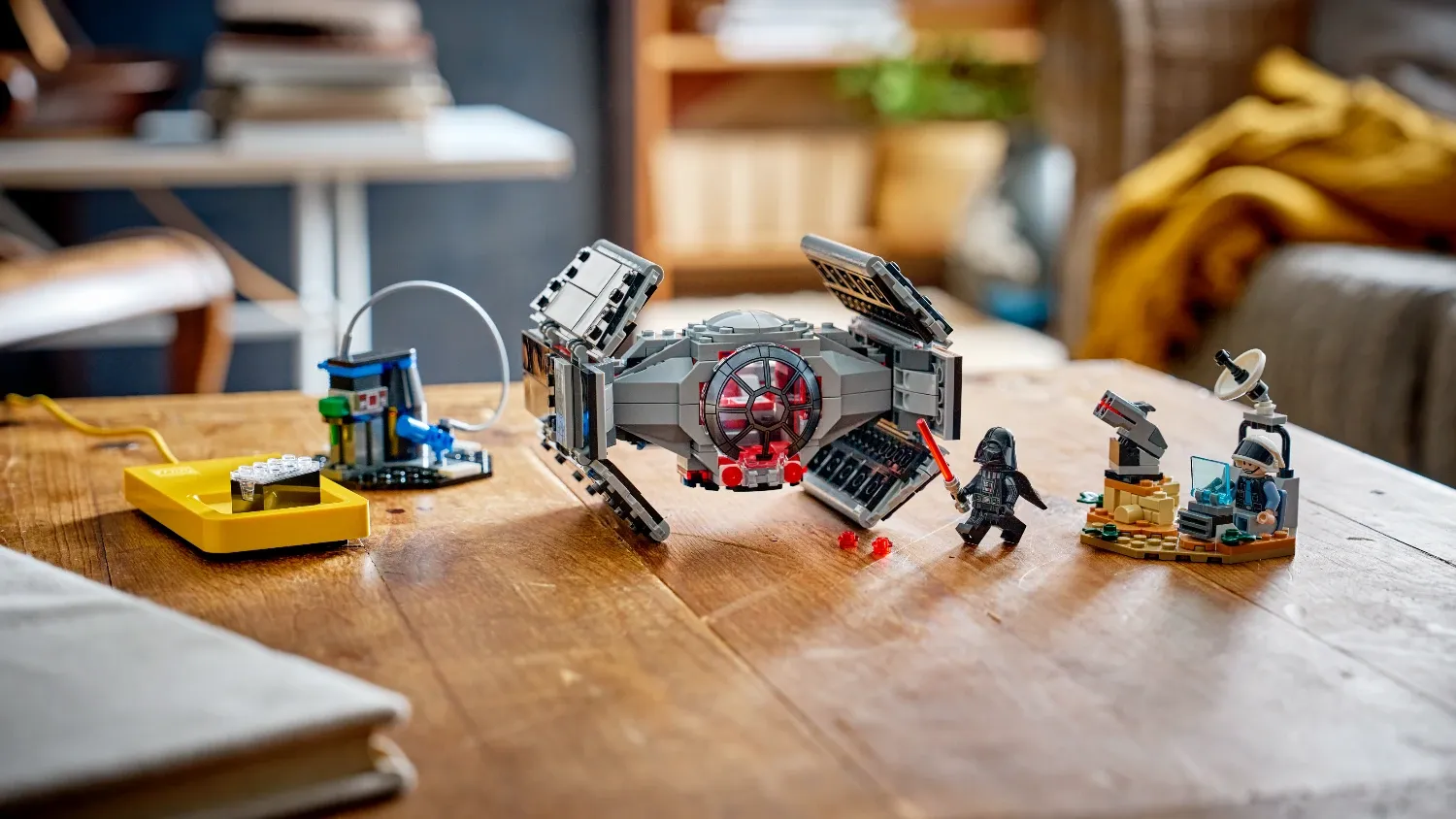
Darth Vader's TIE Fighter (473 pieces, $99.99 AUD) features a Smart Minifigure of Vader himself, and brings the roar of those twin ion engines to life along with other interactive features.
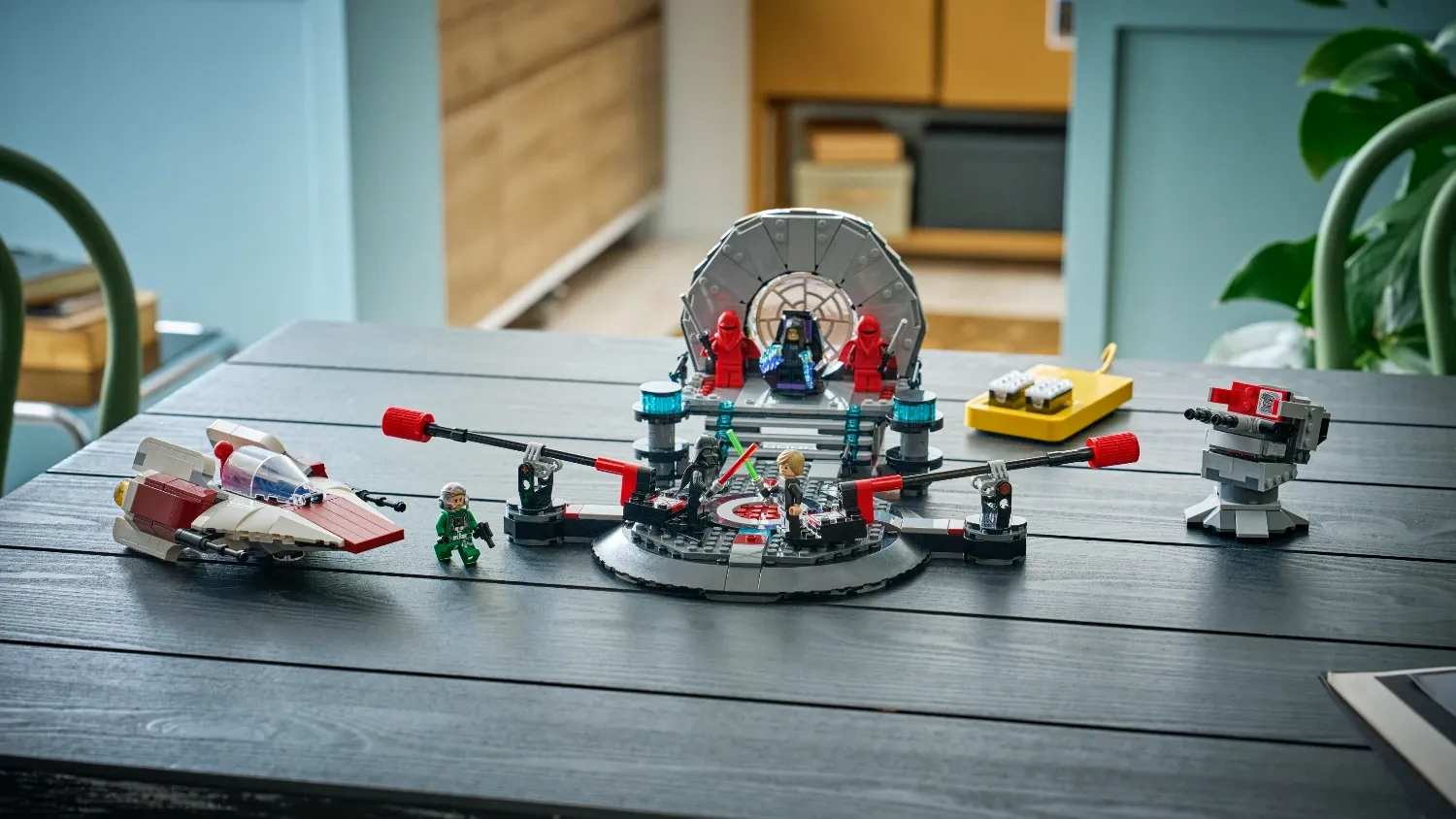
Throne Room Duel & A-Wing (962 pieces, $250.99 AUD) is the flagship set, recreating the final lightsaber duel from Return of the Jedi. You get three Smart Minifigures (Vader, Palpatine and Jedi Luke) plus an A-Wing fighter. This one has lightsaber hums, the A-wing's engine sounds, and yes, "The Imperial March" when Palpatine takes his seat.
All three sets come with Smart Bricks (the throne room set includes two), the relevant Smart Minifigures, and Smart Tags to unlock different features.
Pre-orders open 9 January, with general availability from 1 March at Lego.com, Lego Stores and select retailers.
The best part of this whole announcement is that it's simple. There's no app, no screen requirements. Just smart Lego bricks that work with every Lego brick you've ever bought.
While I love that Lego has kicked this off with Star Wars playsets, the real test of the technology will be how broad it goes with the Smart tags and Minifigs. I want to be able to cross the streams, kind of like Lego Dimensions offered back when the Toys to Life video game trend was at its peak.
Still, it's early days for what promises to be a fun, exciting new technology. I can't wait to play with it.