
BTTR is independent. We may earn a commission if you buy through our links. Why trust us?
Like many people, my daily routine begins with coffee. The best coffee machines are going to make the best coffee, so I have a personal interest in this guide.
Given the increasing cost of living, challenges on the global supply of coffee beans and the ongoing impact of a global pandemic, owning your own coffee machine has never made more sense financially.
While there is both an art and a science to brewing the perfect espresso at home, today’s coffee machines take care of a lot of the hard work.
You can opt for the absolute simplicity of a pod-based system like Nespresso. Or you can go for a completely automated implementation with a machine that will grind the beans, froth the milk and mix it all for you.
Or you can spend some time learning the manual method of brewing the perfect cup of coffee.
Whichever you choose, you will love making it a part of your morning routine.
The end result of brewing your own is that you will likely end up saving money over time, especially as the price of a café latte surpasses $6 at some stores.
These are the best coffee machines I've tested:
For automated simplicity: De'Longhi Eletta Explore
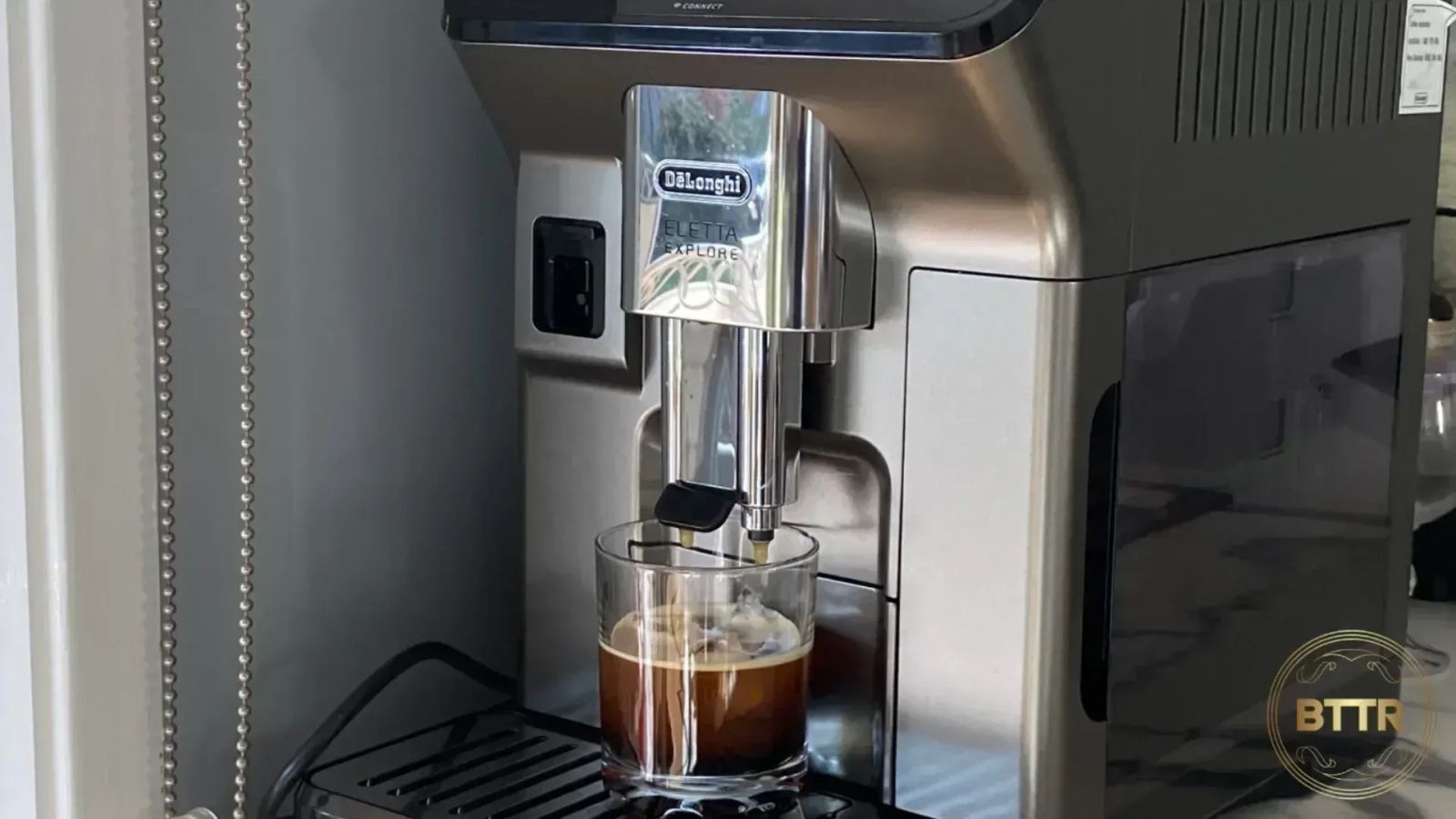
This was the first coffee machine I reviewed here at BTTR, and it's still my favourite. Fully automatic, the Eletta Explore boasts a couple of really compelling features, including the ability to make a cold brew in a few minutes, and two milk jugs to make cold, milky coffee drinks.
With up to four user profiles that remembered your personal preferences, the Eletta Explore was very popular in my home. It handled hot coffees like flat whites and lattes with the same effortless confidence as a cold brew.
It was a sizable machine that took up a fair amount of my bench space, so it's probably not suited to smaller kitchens. And I really wish you could use it to make hot chocolates more easily for the kids, because that would have allowed me to not tell them they were too young for coffee.
With its touchscreen interface and easy to clean body, this is a pricey coffee machine, but worth it if you drink a lot of coffee at home.
 Nick Broughall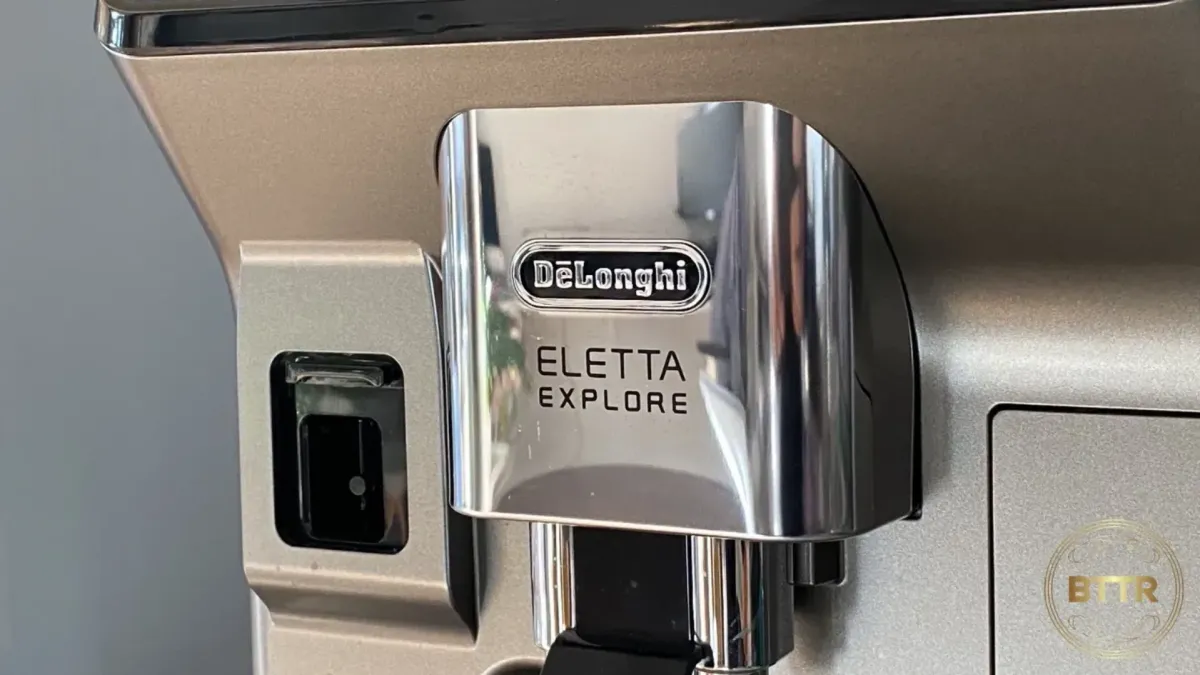
For a more manual experience: Ninja Luxe Café Premier
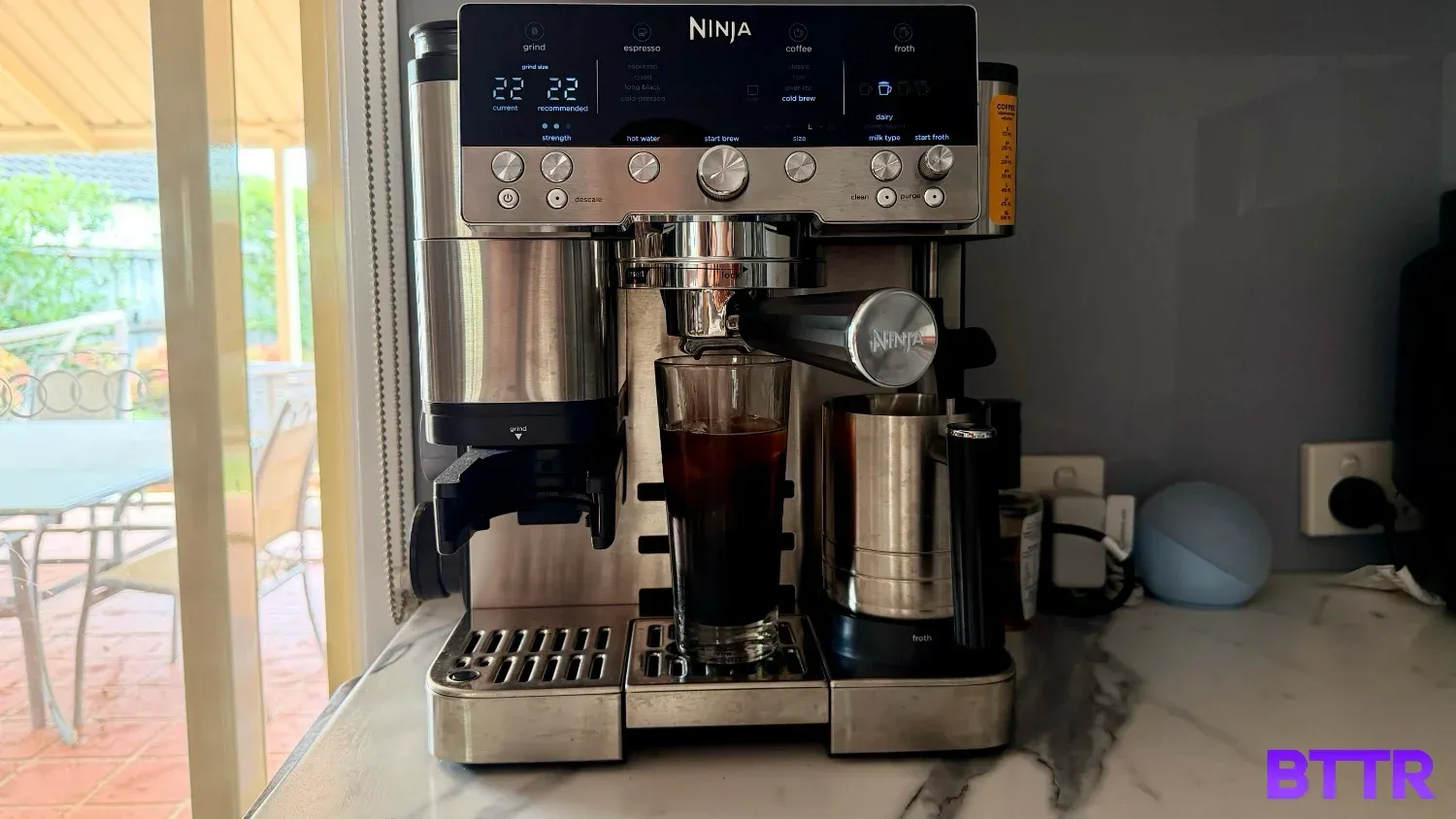
It was a tough decision to choose between the automation of the Eletta Explore and the more manual controls of Ninja's first espresso machine. For a debut product in the category, the Luxe is an exceptional product.
This fully self-contained machine gives you manual control, but guides you through the entire process, making it great for less experienced home baristas. You set the coarseness of the grind based on a real-time recommendation from the machine, and then use it to brew espresso, cold brew or drip-based coffees.
For those with a preference for milky coffee, the frother does the work for you hands free, with settings for both plant or dairy milk, and there's a convenient storage section in the side for the different portafilter sizes.
It is a bit awkward to clean though, and the open funnel design means you do have to clean up errant coffee grounds after every brew.
It's also a large machine, so if you have a small kitchen or limited bench space, you may want to look elsewhere.
But this is a fantastic machine that makes a great cup of coffee. Worth every cent.
 Nick Broughall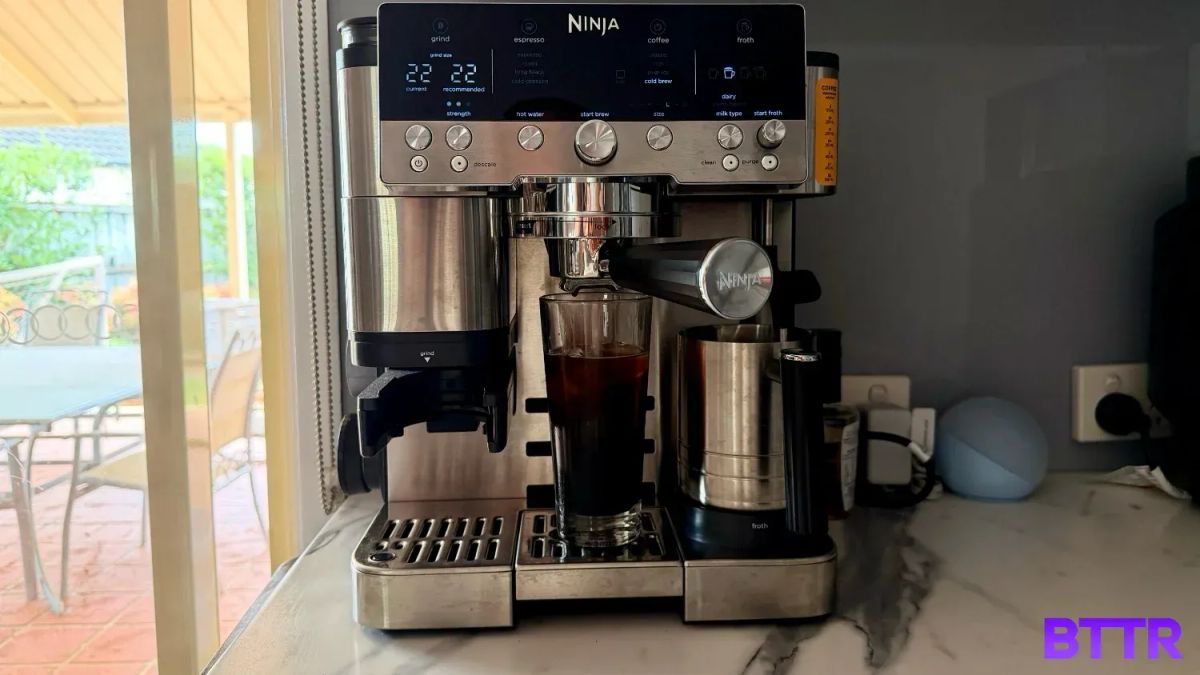
For the coffee snob: De'Longhi Rivelia
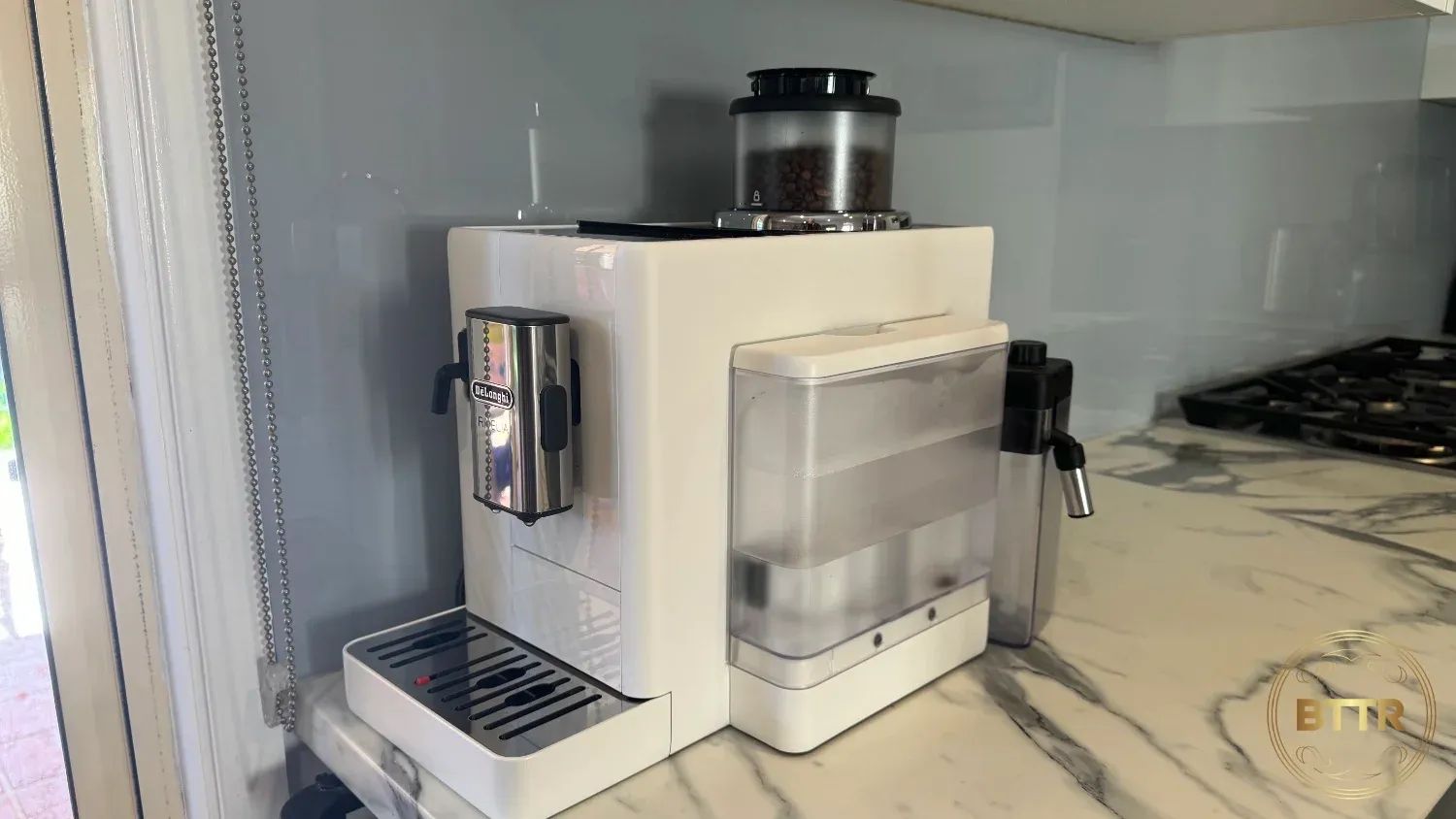
The De'Longhi Rivelia offers a different selling point to the Eletta Explore, with its interchangeable bean hoppers allowing you to have multiple coffee beans ready to go at any different time.
So rather than changing your drink while using the same beans for each coffee, you could enjoy the subtle flavour differences of different beans easily.
If I'm honest, it was overkill for my individual caffeination needs. But it was a cool idea, and if you're fussy with your coffee, it could be a cool investment.
Aside from that feature though, there's plenty to like about the Rivelia. It's a fully automatic machine, with up to four individual profiles on the machine that makes it easy to make your favourite drinks effortlessly.
It's easy to clean, and the coffee itself tasted sensational – freshly ground and delicious.
 Nick Broughall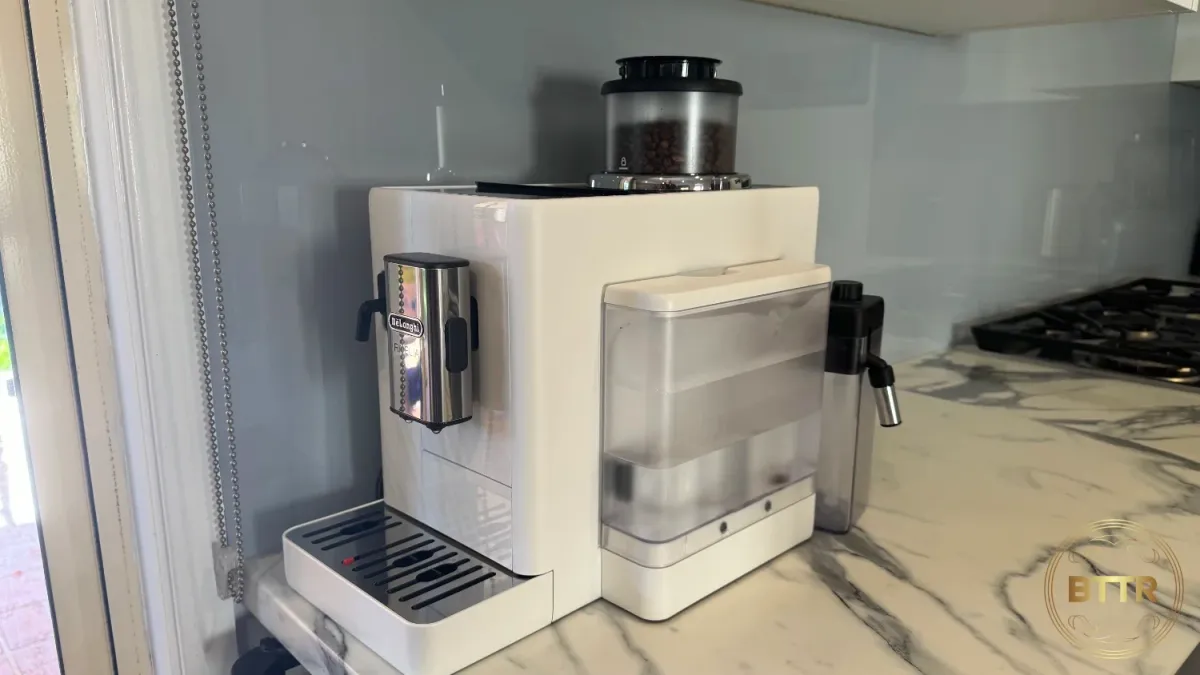
For moving beyond a pod machine: Philips Baristina
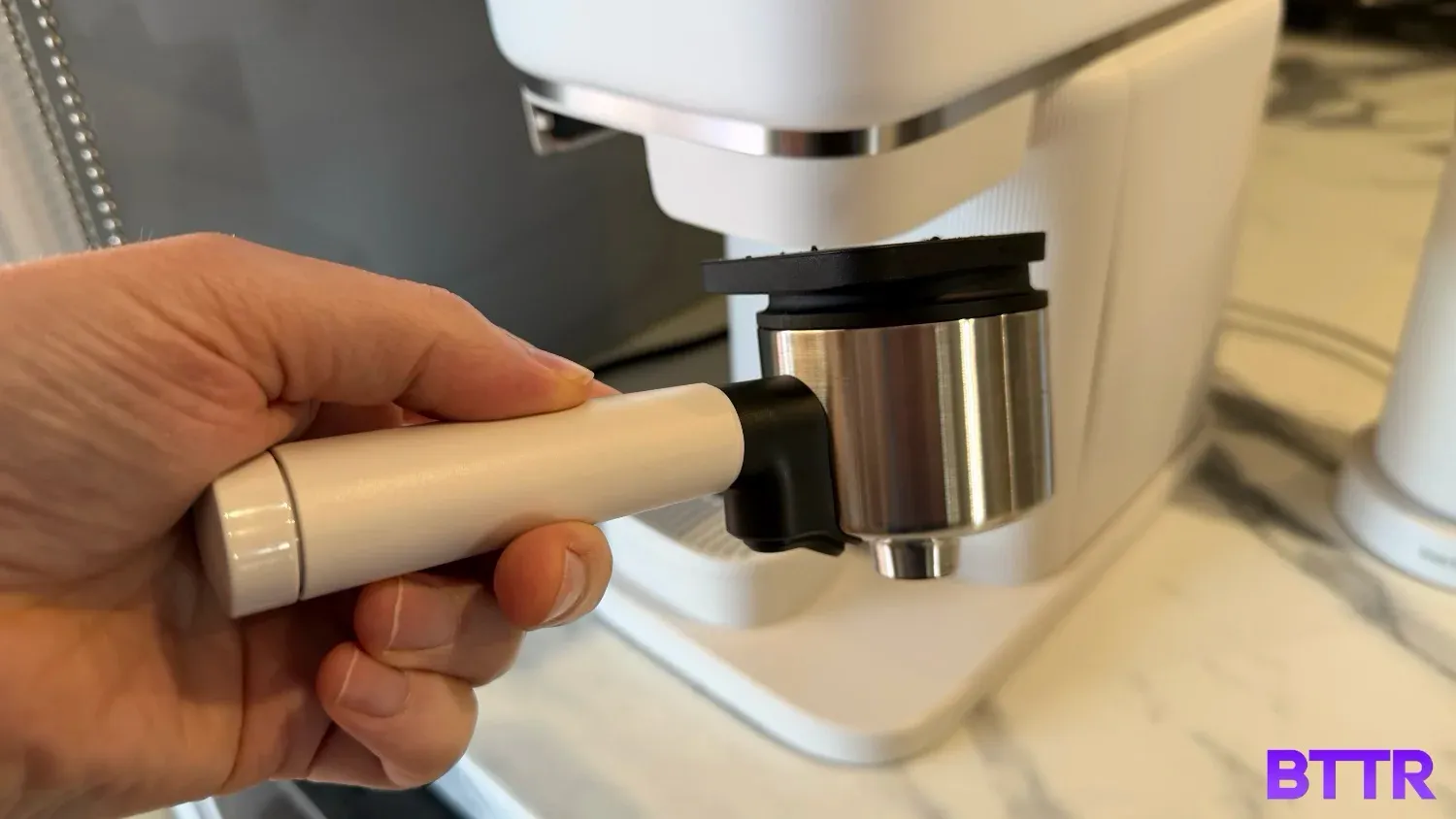
So, technically I didn't review this coffee machine for BTTR - you need to head over to news.com.au for my full thoughts.
But this machine impressed me for its unique approach to a manual machine, in that it's quite automated.
Unlike a fully manual espresso machine, the Baristina grinds, tamps and brews your coffee for you with the single press of a button. You add the coffee beans, insert the portafilter and slide it to the right, then press your desired brew: espresso or lungo.
If you want things a bit stronger for either drink, there's a button in the middle to give that extra deep flavour (/caffeine) hit. Once the coffee beans are ground up, it tamps it down, slides back to the original point and starts pushing water through.
There's no milk attachment on the machine itself – you can buy a separate frother if you want, but I found it a bit underwhelming.
But because it works with fresh beans and is almost as easy as drinking coffee, this is a great option for anyone who want to start making coffee at home.
How I chose the best coffee machines in Australia
I've reviewed a lot of products in my 20+ year career. That includes a number of coffee machines, though it's an area I know I need to get more experience in.
But like every category of product, there's no single "best" product for anything. Individual tastes and opinions matter.
So this guide is purely based on my personal opinions and hands on experience with coffee machines. I've tested a handful of models for BTTR, and a few beyond that, so you know that this guide is based on documented experience.
As I review more coffee machines over time, I'll update this accordingly.
Espresso machines I've reviewed for this guide
Latest coffee machine deals
What to look for when buying a coffee machine
A good cup of coffee can be art. If you’ve never used an espresso machine before or are not too fussy about the quality of your morning coffee, then there are lots of factors to consider before buying a new coffee machine.
Manual, automatic or pod?
The first question you need to ask is what type of machine you are looking for? Machines can largely be broken down into manual, automatic, semi-automatic or pod.
Each has its advantages and disadvantages. It really depends on how much control and versatility you need from your coffee machine.
Automatic machines
A fully-automatic coffee machine will do everything for you, from grinding the beans to frothing the milk.
These are typically the types of machines you’ll see in airport lounges, where you select the type of coffee you want and it does the rest.
The catch is that they don’t really clean themselves, so you’ll need to take on that job. Also there generally isn’t too much control over the appearance or flavour of the coffee.
Manual coffee machines
As you can guess, manual coffee machines give you complete control over every element of the brewing process.
You need to supply the ground coffee, but you measure the amount required, ensure the water temperature is correct and the pressure is sufficient before beginning – and ending – the coffee extraction.
If you want frothed milk, you will need to do that yourself too. Then you need to put it all together on your own and clean up.
Semi-automated coffee machines
Many of the best coffee machines in the list above fall into this category. Some elements give you control, like the frothing of milk or grinding of the beans.
But the machine itself will regulate the temperature and the pressure of the water. This ensures that most of the conditions for a perfect extraction are met without you needing to work for them.
If you aren’t an experienced barista, this style is almost always going to be better than a fully manual machine.
Pod coffee machines
Simplicity personified, pod machines use pre-prepared coffee pods to ensure a consistent, effortless cup of coffee every time.
While you can get a variety of flavours from a pod system, the end result never quite reaches the same level of quality as you’ll get from your local café.
There is also the question of the environmental impact of having so many aluminium pods used to hold tiny amounts of coffee then heading to landfill. There are recycling options these days, but it still has more of an impact than a more traditional machine.
Machine size
Whether you live in a tiny studio apartment or a large mansion, there is always a limit to how much space you have in your kitchen.
Ensure your coffee machine of choice has somewhere to live in your kitchen. If it is out on the bench, make sure it doesn’t take up too much space.
If you’re opting for an extremely high-end model, you also may need to consider plumbing options.
Single or dual boiler
There’s nothing wrong with a single boiler system, but it means that you cannot froth milk while extracting coffee.
If you do want the flexibility to do both at the same time, understand that dual boilers typically take up more space and are more expensive, for obvious reasons.
Integrated grinder
The best cup of coffee is going to come from freshly ground beans. Having an integrated grinder means those grounds will be as fresh as can be.
Of course, it also adds an extra step you need to take before brewing, not to mention the cleaning.
If you do want an integrated grinder, ensure it is adjustable. This is so you can select just how coarse or fine the grounds are for extraction.
Milk frother
If you prefer drinking milky coffees like cappuccinos or café lattes, then you will need a steam wand or milk frother.
Steam arms give you some level of control over the frothing process. However you should know that you need to be quite diligent with cleaning steam arms, lest you end up with smelly old milk stuck in the machine.
Time to warm up
The time it takes to warm up the machine can vary greatly between models. This waiting time can act as a major barrier between you and your precious morning caffeine.
Price
You can get cheap coffee machines for around $50, though a high-end premium machine will set you back thousands.
Typically, most semi-automatic machines designed for home use sit somewhere between $300 and $1,000.
It could be useful to work out the cost of the machine and the amount you expect to use it. Then compare that against what you already spend on takeaway coffee.
That way you could justify the cost by potential savings over time. A $500 machine is the same as 100 $5 cappuccinos from your local cafe, for example.