

BTTR is independent. We may earn a commission if you buy through our links.
Why trust us? | How we test
When I was about 11 years old, I remember going to a friend’s house and getting to play Shufflepuck Café on his family’s Macintosh. It was the first time I’d really used a mouse for gaming, controlling the paddle to play a 3D version of Pong, and I distinctly remember having so much fun I did not want to go home.
While my first encounter with gaming on an Apple device happened around 1990, Apple’s own history with gaming goes back to the company’s very beginnings. One of Steve Jobs’ earliest jobs was working at Atari before founding the company with Steve Wozniak.
Apple’s history is, in fact, peppered with gaming stories:
Myst was originally developed for the Mac back in 1993, a year before it was ported to Windows.
Bungie was originally making the first Halo exclusively for the Mac before it was acquired by Microsoft.
With the arrival of the iPhone, Apple almost accidentally created a huge new gaming industry. Games like Angry Birds and Fruit Ninja managed to capture the imagination of millions, and because it was available (for free) on a device they already owned, gaming became much more accessible.
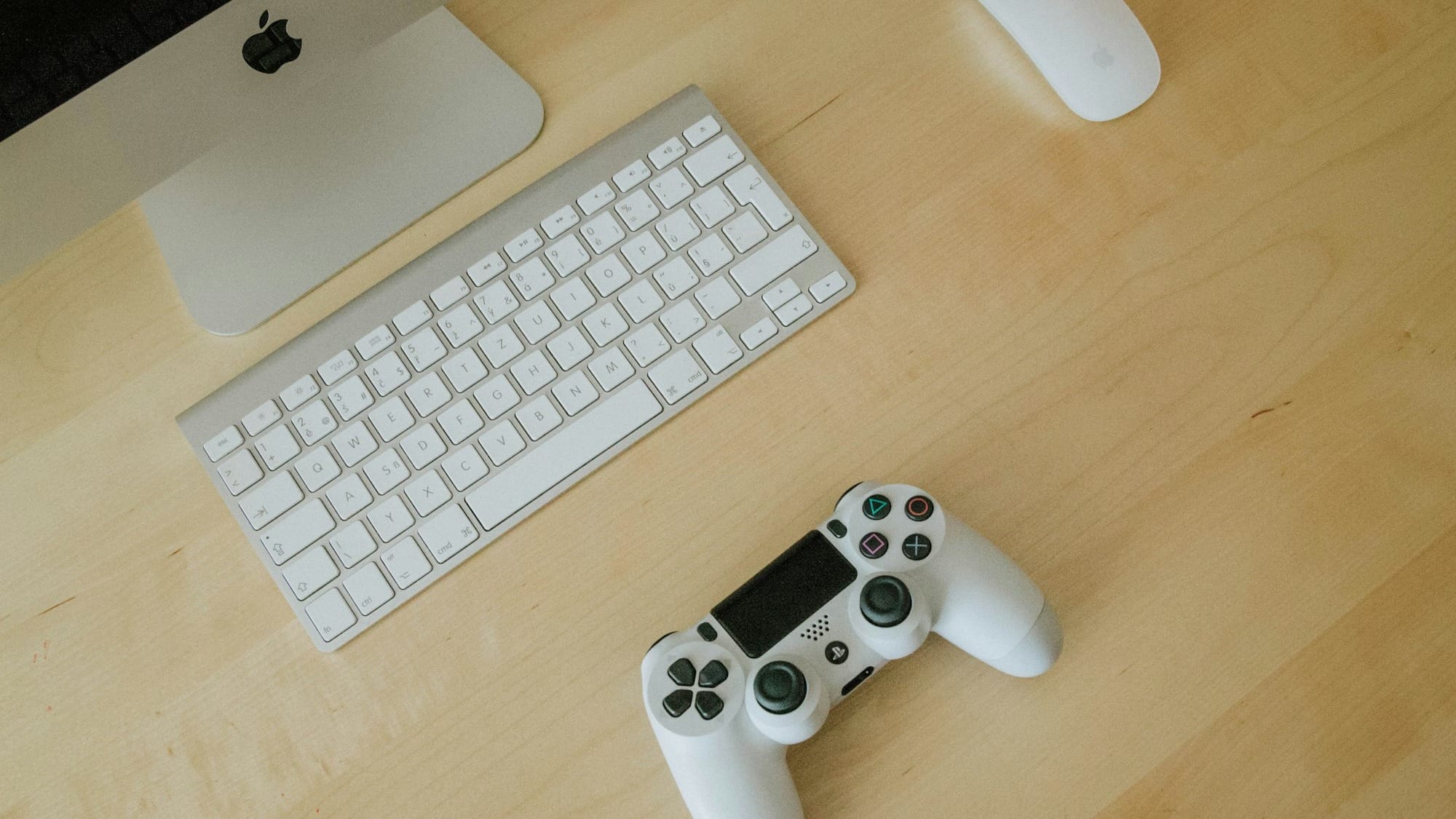
But for all that history, Apple has never been a gaming company.
It’s pushed hard over the years, though. There have been guest appearances from gaming companies in keynote presentations since 2011, when Mike Capps from Epic Games showed off Infinity Blade II for the iPhone 4s.
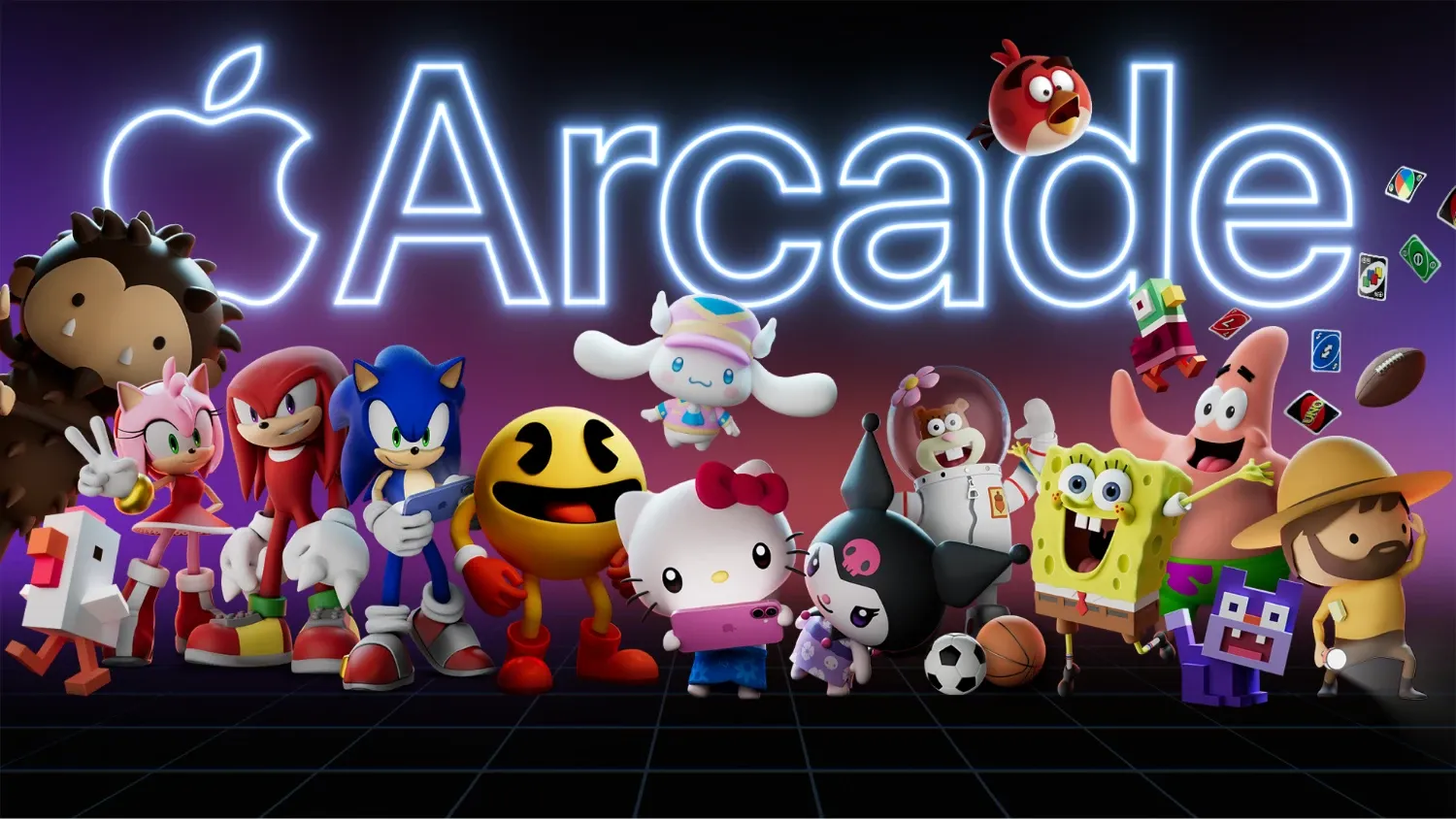
It rolled out its Metal API for hardware-accelerated 3D graphics back in 2014, and more recently launched its Apple Arcade gaming subscription in 2019.
With the arrival of the iPhone 15 Pro in 2023, the phone’s A17 Pro processor was powerful enough to play AAA titles, thanks to the processor’s hardware-accelerated ray tracing, MetalFX upscaling, and support for variable refresh rates. Games like Assassin’s Creed: Mirage and Death Stranding: Director’s Cut launched on the iOS App Store, ready to let gamers enjoy a high-end gaming experience on their smartphone.
But from all indications, performance of those titles on the App Store has been underwhelming.
Apple has spent decades teasing its gaming ambitions, only to never truly follow through.
But with the new Games App announced at WWDC this year for iOS, iPadOS and macOS, Apple now has all the pieces it needs to become a true gaming company. It just needs to put those pieces together.
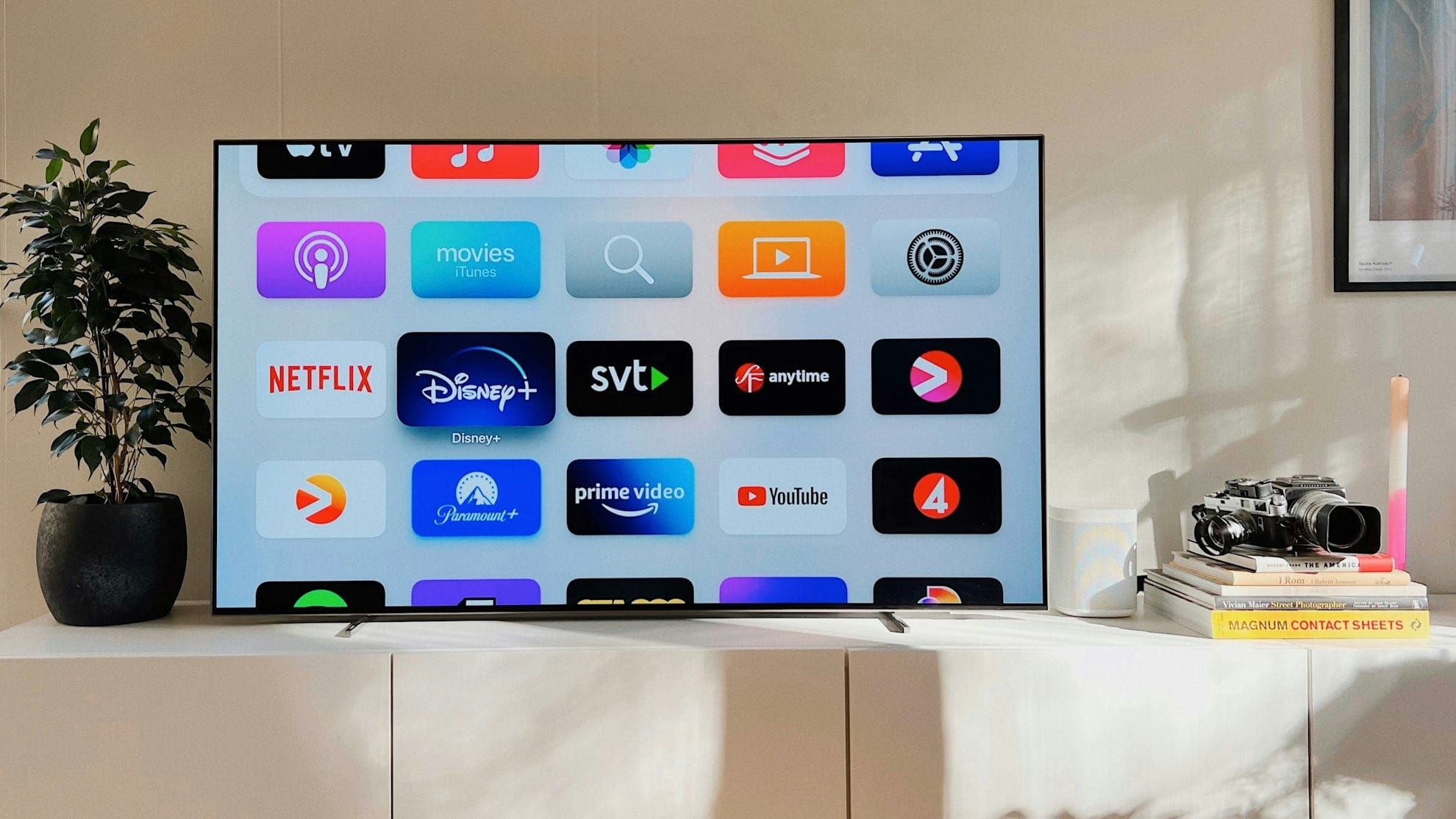
It has to update the Apple TV.
A home gaming experience
There are several reasons for why AAA titles haven’t sold as well on Apple platforms. A comparatively high price; the idea of playing a complex game on a phone’s tiny screen; the difficulty in managing multiple games libraries across platforms.
But consider this: An updated Apple TV running an A18 Pro chipset, alongside the rollout of the Apple Games App and some minor tweaks to Apple Arcade, would solve all of those problems.
Let’s start with the hardware. The current Apple TV 4K was last updated in October 2022, and is powered by the A15 Bionic chipset, which was first seen in the iPhone 13 family of phones.
If Apple were to update the processor to the current A18 Pro chipset, it would give the streaming box the technical capabilities to run more complex games. There would need to be enough RAM, certainly, and Apple may need to consider adding more storage to the device (even the more premium 128 GB version probably won’t cut it for a games console), but the hardware foundations are there.
Now, updating those hardware specs is going to add cost to the device. But that’s okay! The current 128 GB unit costs $249 RRP, which is about half the cost of the cheapest Xbox Series S console. Apple could easily add a price premium to a “Pro” model of the Apple TV to cover those extra costs.
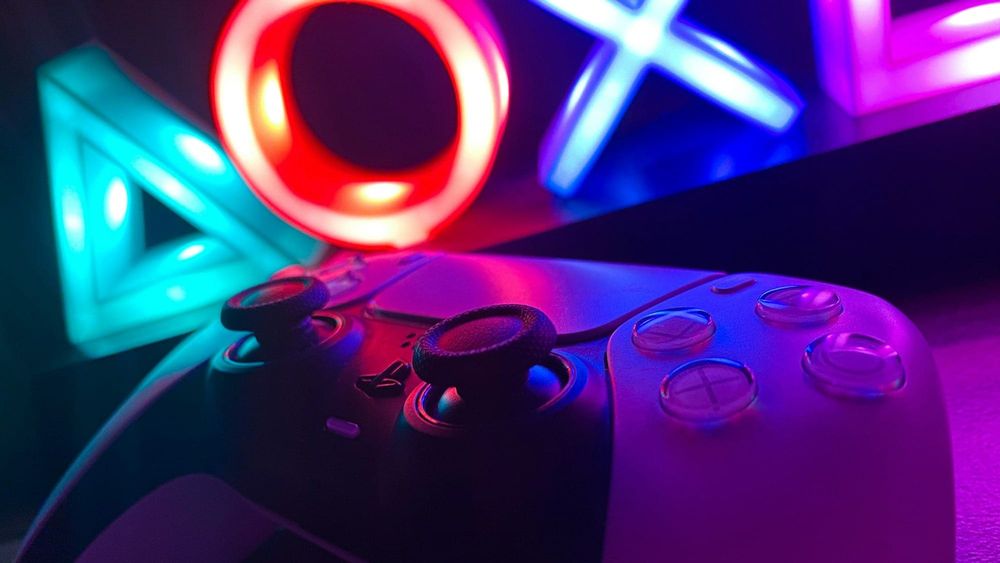
Don’t forget, the Apple TV can already play games. With support for Bluetooth controllers like the PS5’s DualSense or the GameSir G8 Plus, you can already download certain Apple Arcade (and other tvOS titles) to your Apple TV and play on the big screen.
So it’s not that big of a leap to expect Apple to improve the hardware specs so it can run more advanced games.
But a hardware boost isn’t where the opportunity lies. The real opportunity for Apple is in leveraging Apple Arcade and the new Games App to offer cross-device compatibility.
Everywhere’s an Arcade
Microsoft has bet big on the idea that it can make any device with a screen, Bluetooth support and an Internet connection an “Xbox”.
With Game Pass Ultimate, you can start playing an Xbox game on your PC, transition to your Android phone before getting comfortable on your LG TV.
Apple has all the pieces it needs to offer similar functionality.
If you look at many of today’s Apple Arcade titles, they already work across iPhones, iPads, Macs and the existing Apple TV. Right now, I can start playing Fantasian on an M4 MacBook Air; pick up where I left off on my iPhone 16 Pro Max, before settling in to keep playing the game on my Apple TV 4K.
But what if that functionality was expanded – possibly through the new Games app – to AAA titles purchased through one of Apple’s digital storefronts?
What if buying Death Stranding on your iPhone didn’t just let you play the game on your iPhone 16’s 6.1-inch display, but also let you enjoy the game through an upgraded Apple TV?
What if a multiplayer title purchased on your Mac seamlessly let you play against other people playing the game on an iPhone?
The technology for this exists right now. It just needs someone at Apple to put the pieces together in the right way to make it happen.
The missing link: The Games app
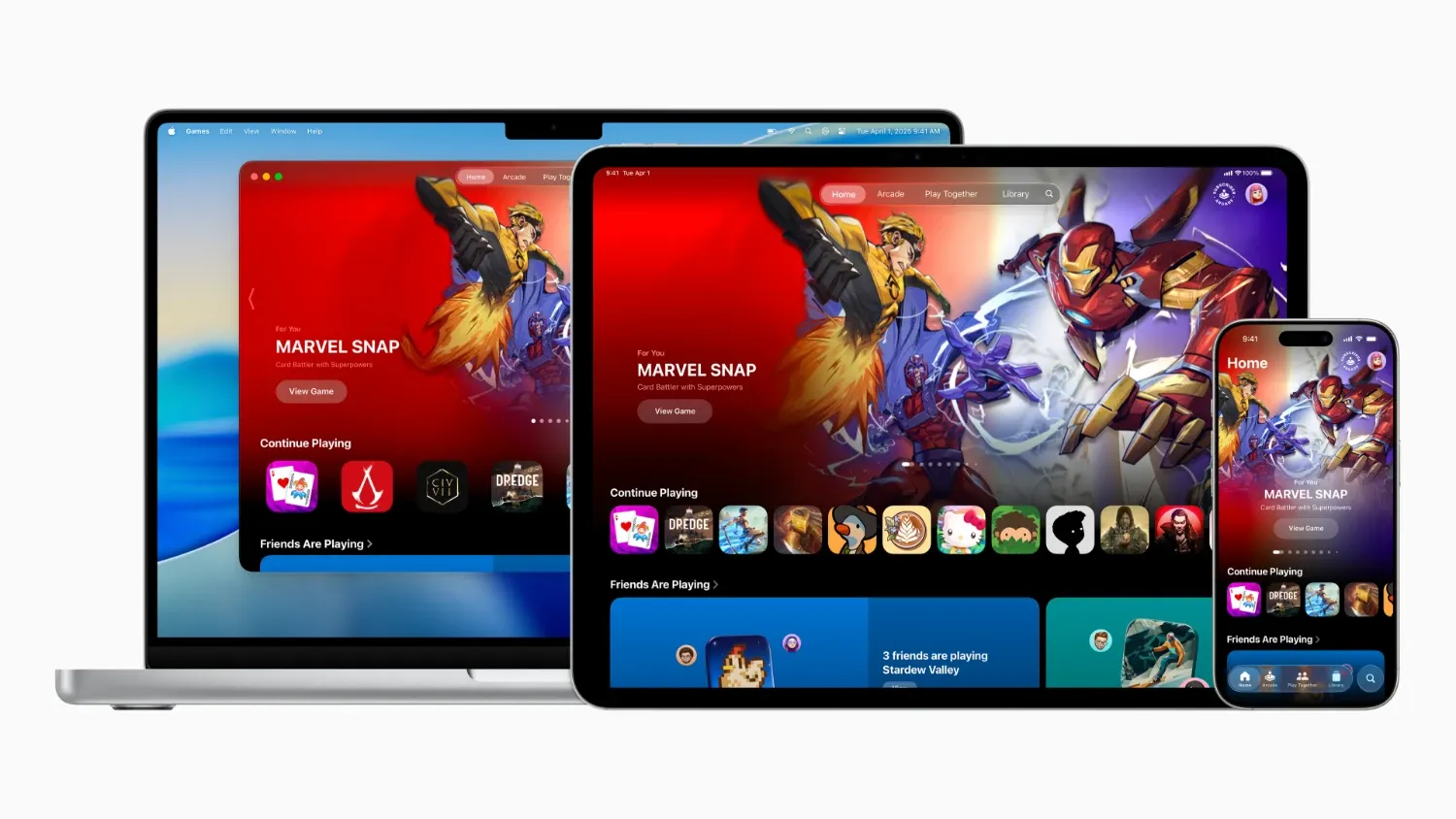
Apple unveiled the Games app for iOS, iPadOS and macOS at WWDC, describing it as an “all-in-one destination for games and playing with friends on iPhone, iPad, and Mac”.
Part library tool, part social network and part games launcher, the Games app offers four key tabs in its interface: Home, Arcade, Play Together and Library. You’ll be able to discover new games, see what your friends are playing and challenge their high scores, or keep tabs of the different games coming out.
To make my dreams of an Apple TV games console a reality, Apple would need to make some improvements to this app. For a start, there’s no indication the Games app is destined for tvOS, which is essential for the cross-platform experience.
There’s potentially also a disconnect between the iOS/iPadOS versions of the app and the macOS version. According to the Apple announcement, “The Games app allows players to see all the games they have ever downloaded from the App Store for their iPhone and iPad, and brings together all the games they have on Mac.”
I’m sure when it comes to Apple Arcade titles, there will be some level of platform agnosticism. But to truly cement Apple as a destination for gaming, there will need to be a deeper level of connectivity between Mac and iOS gaming beyond Apple Arcade, particularly as it comes to flagship titles.
The next level for Apple gaming
Apple has been circling gaming for over 20 years, and while iOS is arguably one of the most popular gaming platforms, it feels like that success wasn’t by design.
But right now, Apple has the opportunity to capture a large part of the gaming market, just like it captured my 10-year-old imagination with Shufflepuck Café back in 1990.
With its powerful A-series processor, the large Apple Arcade library and a vast ecosystem of loyal users, Apple has everything it needs in its toolbox. It just needs to update the Apple TV’s hardware and extend the Games app to tvOS to unlock a gaming experience that would rival Microsoft’s Xbox ambitions overnight.
Yes, there will be business hurdles and developer negotiations to undertake, but Apple's influence and financial muscle would make these challenges easily surmountable.
Apple has shown its intent with the Games app. It's time for Apple to stop circling and finally deliver on the promise of a truly integrated, cross-platform gaming future, anchored by a revitalised Apple TV.
🛒 Where to buy Apple
Available from these trusted retailers:












BTTR is independent, but we may earn money when you purchase through links on our site. This helps us cover costs and continue providing honest reviews. Find out why you should trust us.
BTTR relies on support from readers like you to keep going. If you'd like to support our work, consider a one-time donation. Every little bit helps us to cover costs and stay independent. 100% of donations go directly to authors. Thanks for your support!
 Nick Broughall
 Nick Broughall