

BTTR is independent. We may earn a commission if you buy through our links.
Why trust us? | How we test
But one place I never expected to visit for this job was Auburn, NSW.
Yet, that’s where I found myself early in August, as I had the opportunity to visit the floor of Assurant, the leading phone refurbishing company in Australia.
Smartphones are big business. According to Canalys, 1.22 billion smartphones were sold worldwide in 2024, and that number was up 7% year-on-year.
In Australia, Telsyte reported similar growth for the first half of the year, with 3.98 million units sold in the first six months.
That’s a lot of phones being sold every year, often replacing older devices. But what happens to those older devices?
@bttr_reviews Refurbished phones are a great way to get solid tech at a bargain price. I recently had the chance to tour Assurant’s facility in Auburn NSW with @Boost Mobile Aus to see how phones get refurbished, and it was a fascinating experience. You can read all about it at BTTR.reviews, too. #refurbished #refurbishediphone #gadgets
♬ Glasshouse - Kairo Vibe
While a lot sit in drawers around Aussie homes, many make their way to the Assurant facility in Auburn, where they are processed, refurbished and resold through a range of providers, including Boost Mobile.
It was thanks to an invitation from Boost that I was in Auburn on that August day. To get things started, Bobby Geldens, CEO of Boost Mobile, explained the importance of the refurbished program to the mobile telco’s business.
“The Boost brand has always been about providing great value and great deals to customers,” Geldens told a small room of journalists as the day began.
“The refurbished program is an awesome, complimentary offering to customers. The benefit is that the customer can get the tech that they want – an iPhone, a Samsung Galaxy, a Pixel – devices that you want that cost more of all these days.”
But iPhones, Galaxy devices and Pixels don’t come cheap, so Boost turned to the used device market to cater to that desire for its customers.
“A lot of our customers don't have the budget to afford that tech. So refurb is a great option for our customer base to get a device that they want at that much lower price.”
To deliver refurbished phones to its customers, Boost partnered with Australian company Alegre over six years ago. In 2020, Alegre was acquired by Assurant, a US-based Fortune 500 company, which refurbishes over 20 million devices a year in the US.
As Geldens explains, the relationship works: “We are partnered with Assurant [for refurbished devices] for a very big reason, and that is they are the best in the business globally at this.”
High security, high opportunity
Security was tight as we made our way to the warehouse floor. Given the sheer number of devices in the warehouse, I had to go through a metal detector and register my phone’s IMEI number with a security guard. Just like at the airport, my belt set off the metal detector. I wasn’t the only one.
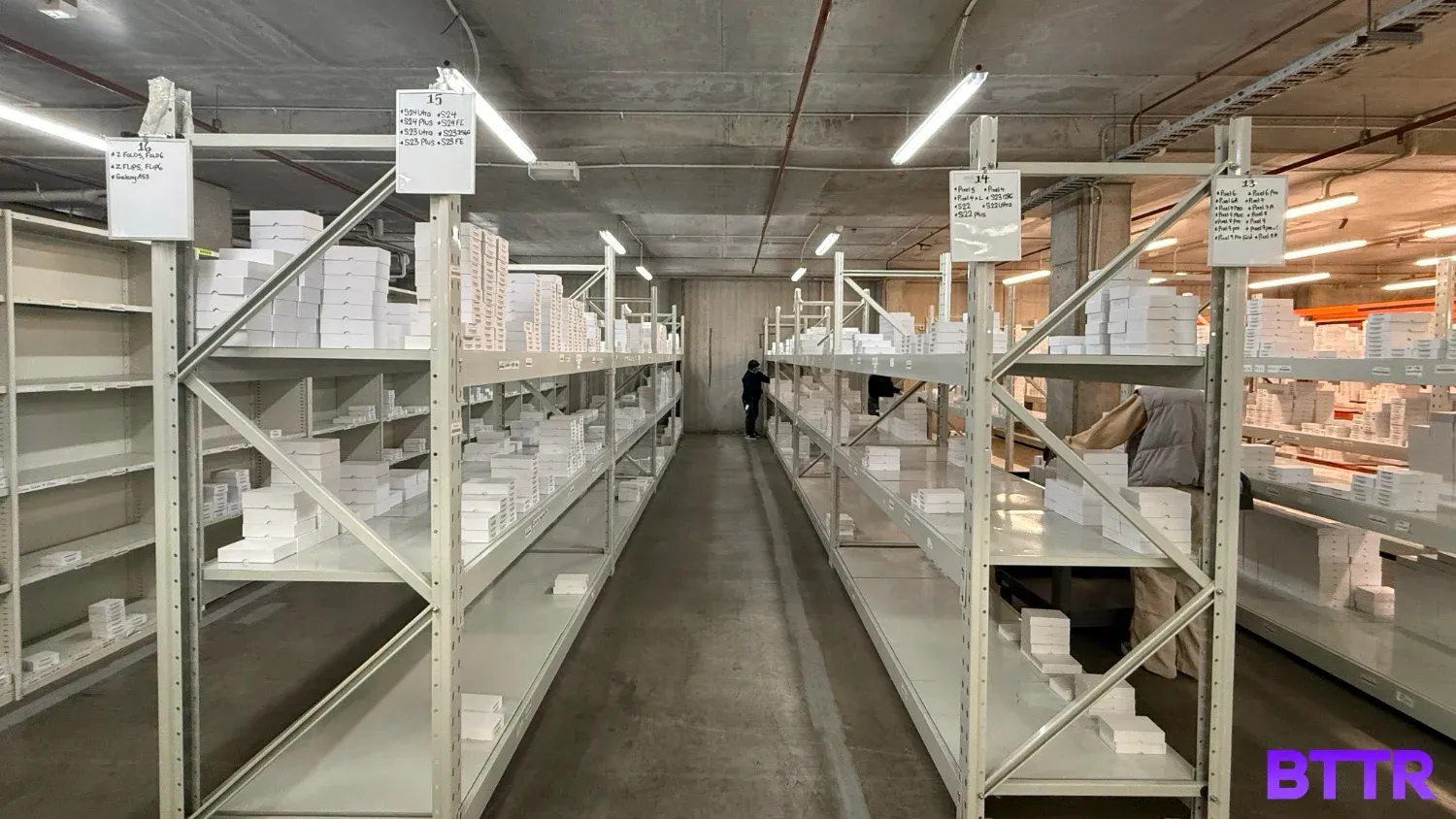
Security is important for a facility with tens of thousands of smart devices on shelves. Not only is it essential to prevent theft, but also essential to ensure that every device they resell has been properly and securely cleared for resale.
That includes recording every device’s IMEI number and running it through the NSW police database, which is a compliance requirement for selling second-hand goods. Devices are held in quarantine for two weeks to make sure they haven’t been stolen.
Russell Lornie, Commercial Director at Assurant, explained that while the compliance is necessary, the phones coming into the factory for refurbishment and resale are never actually stolen goods.
“They're never stolen. People who steal a phone don't go and trade them in a Telstra or something like that. But we have to go through that as a procedural part of things,” he explained as we toured the facility.
There are exceptions to this, like when a phone is part of an upgrade program through Telstra or Optus. In those cases, the phone’s ownership is tracked through the telco, so quarantine isn’t necessary. There’s a whole section of the warehouse floor blocked off for those devices, to ensure they don’t get mixed up with the other products.
Quick bucks, comprehensive checks
Even though a traded-in phone has to sit in quarantine for two weeks, Assurant still pays when it receives the device. If something comes up, like the device being stolen, then they pass that information onto the police and go from there.
From all accounts, the trade-in process is pretty smooth across the board. Lornie explained that most customers do a good job of clearing off their data before sending in their phone as well.
“Generally, I think consumers are educated to wipe the device before they send it in,” he explained. “More so than five or ten years ago, when we were doing it, where every second phone wouldn't be wiped out.”
Today, the number is closer to 5% that haven’t been wiped from general customers. Enterprise partnerships can sometimes have issues as well.
“Some of our enterprise customers will send them in, and they've still got MDM lock on them and iCloud lock, so there's a bit of mucking around going back and forth with people to get that stuff removed,” Lornie told us. “But generally, I think consumers are educated to wipe the device before they send it in and out.”
Even with that, there’s a commitment to make sure that all devices are cleared off and tested before they are resold. Assurant has dedicated software that helps its team test all the different features and functions of the phone systematically.
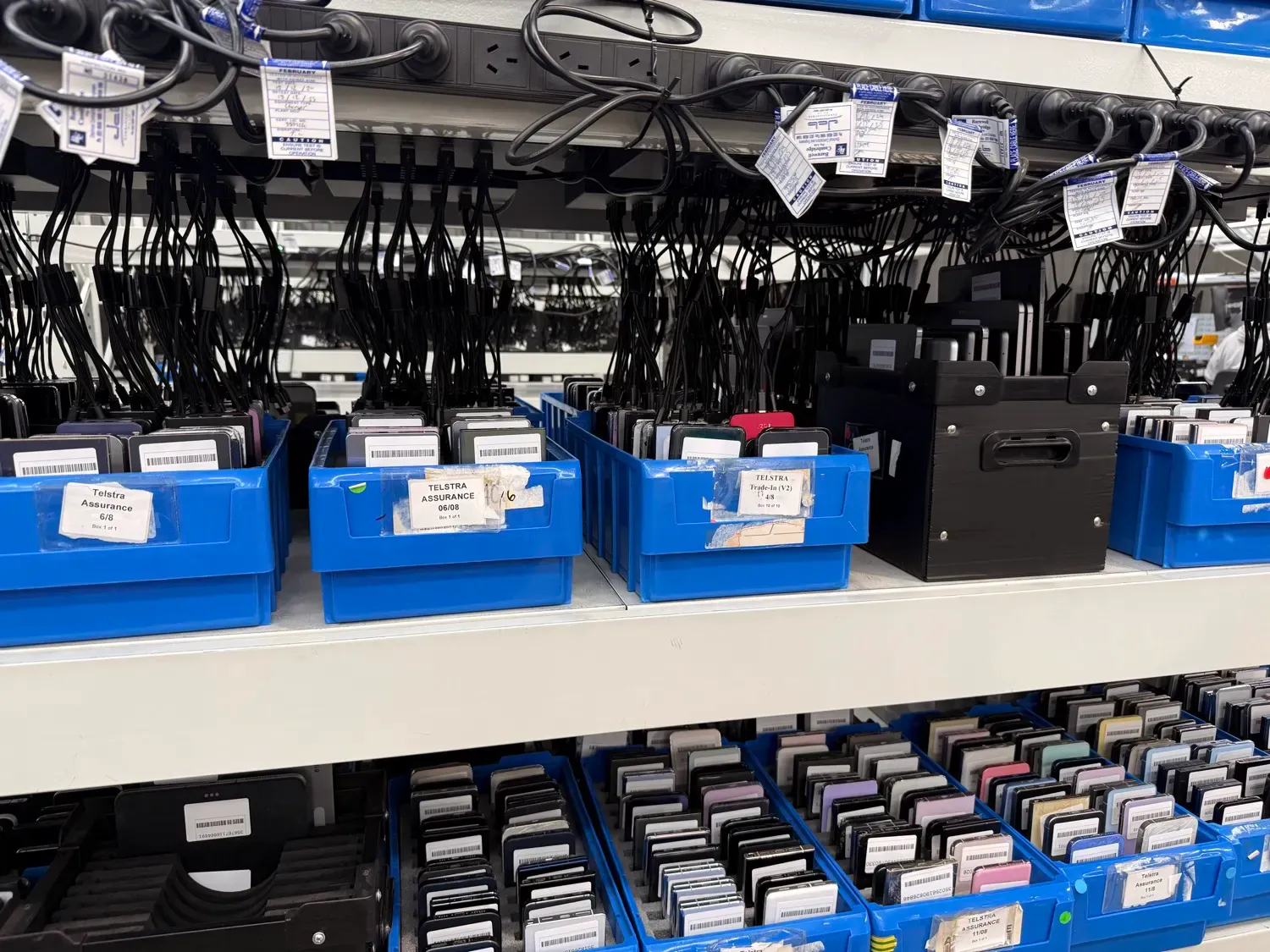
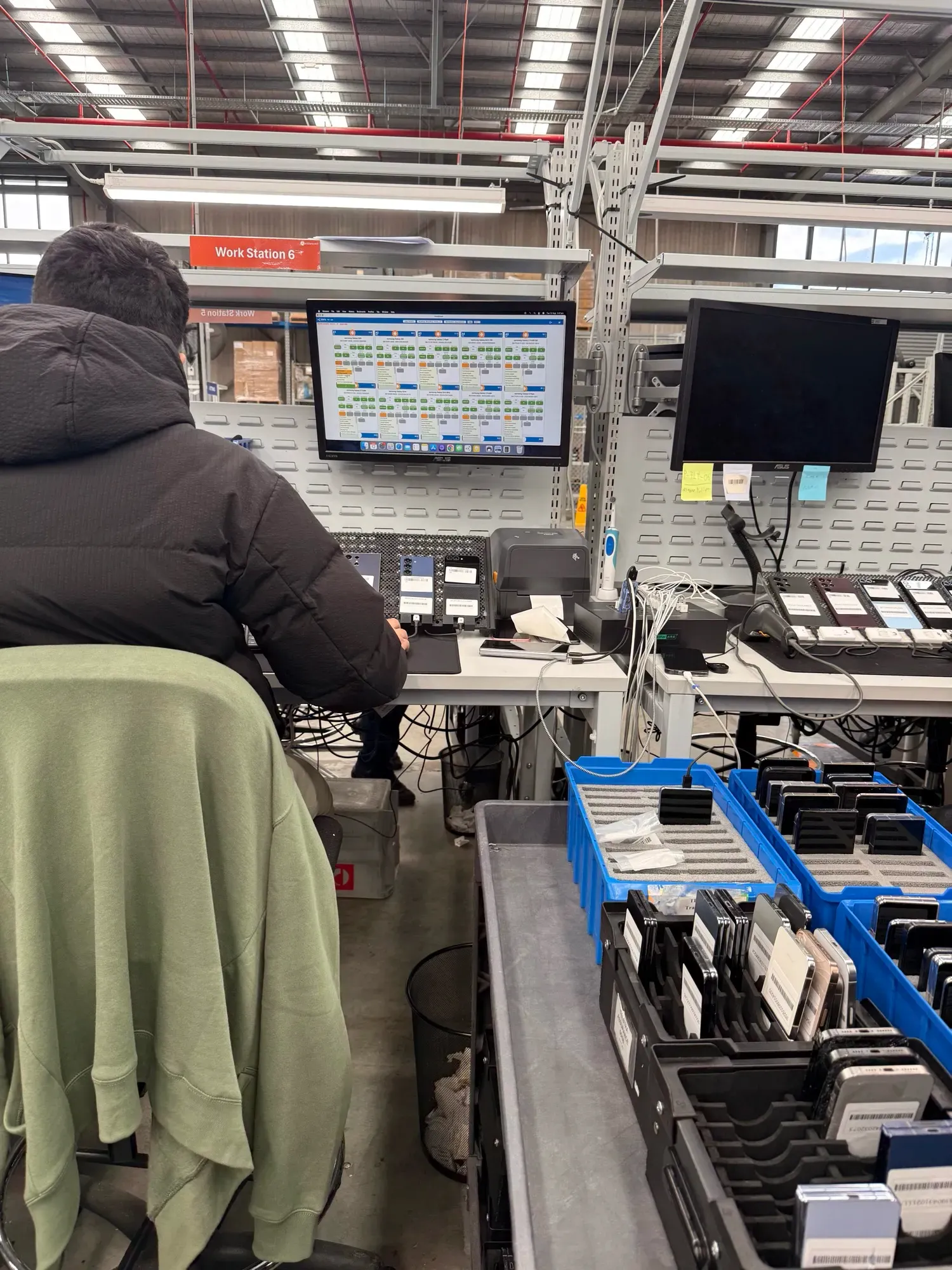
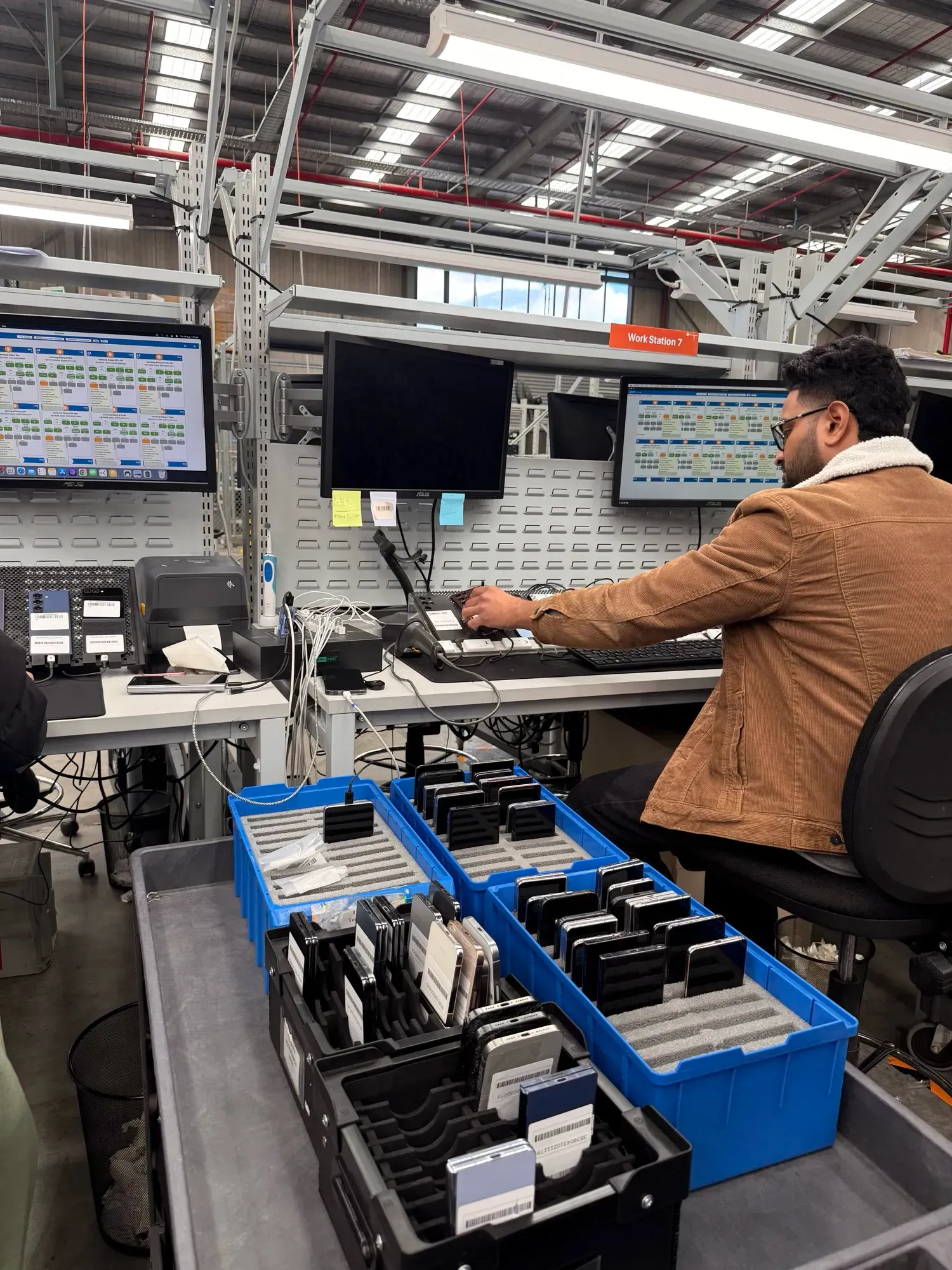
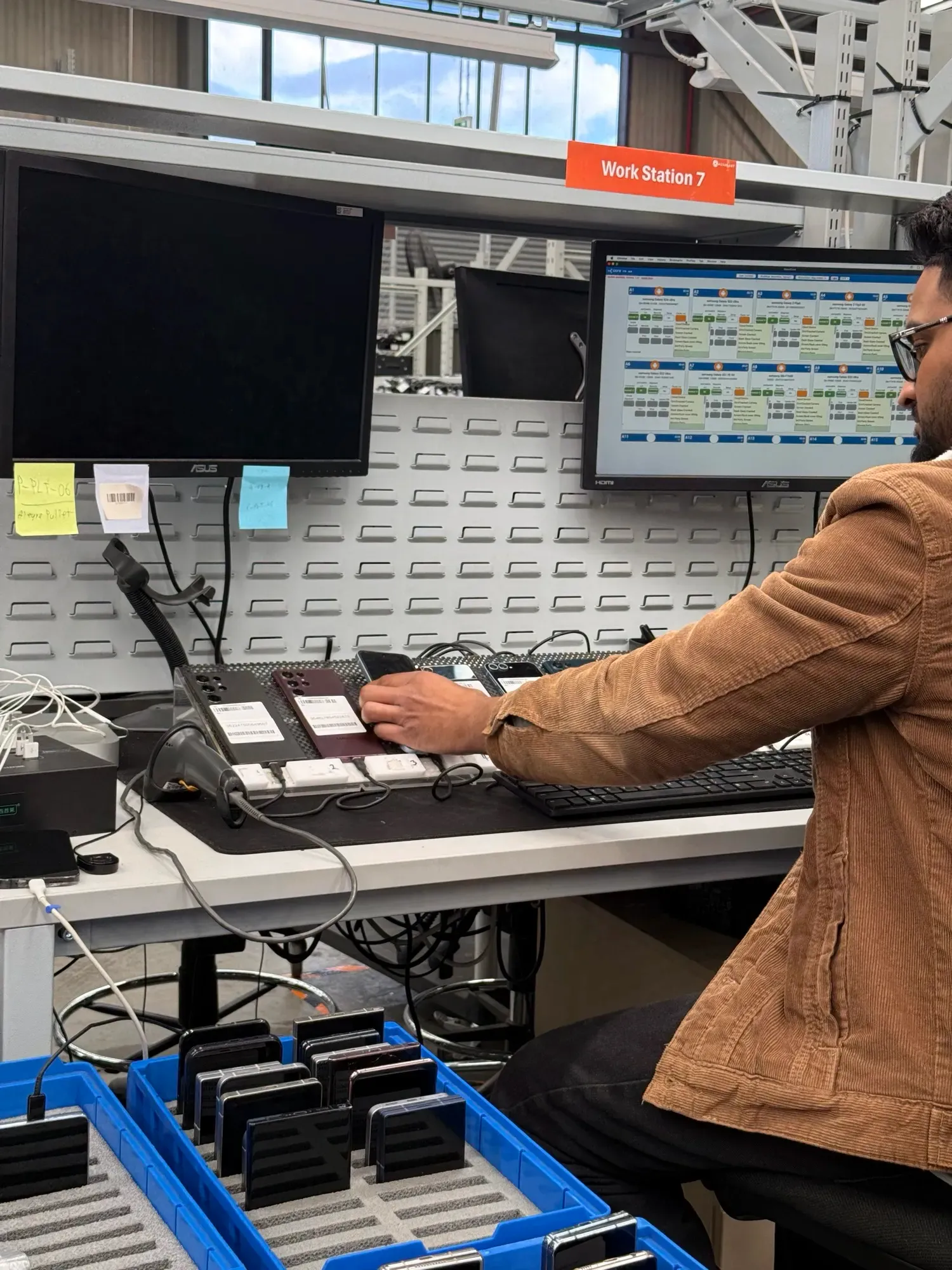
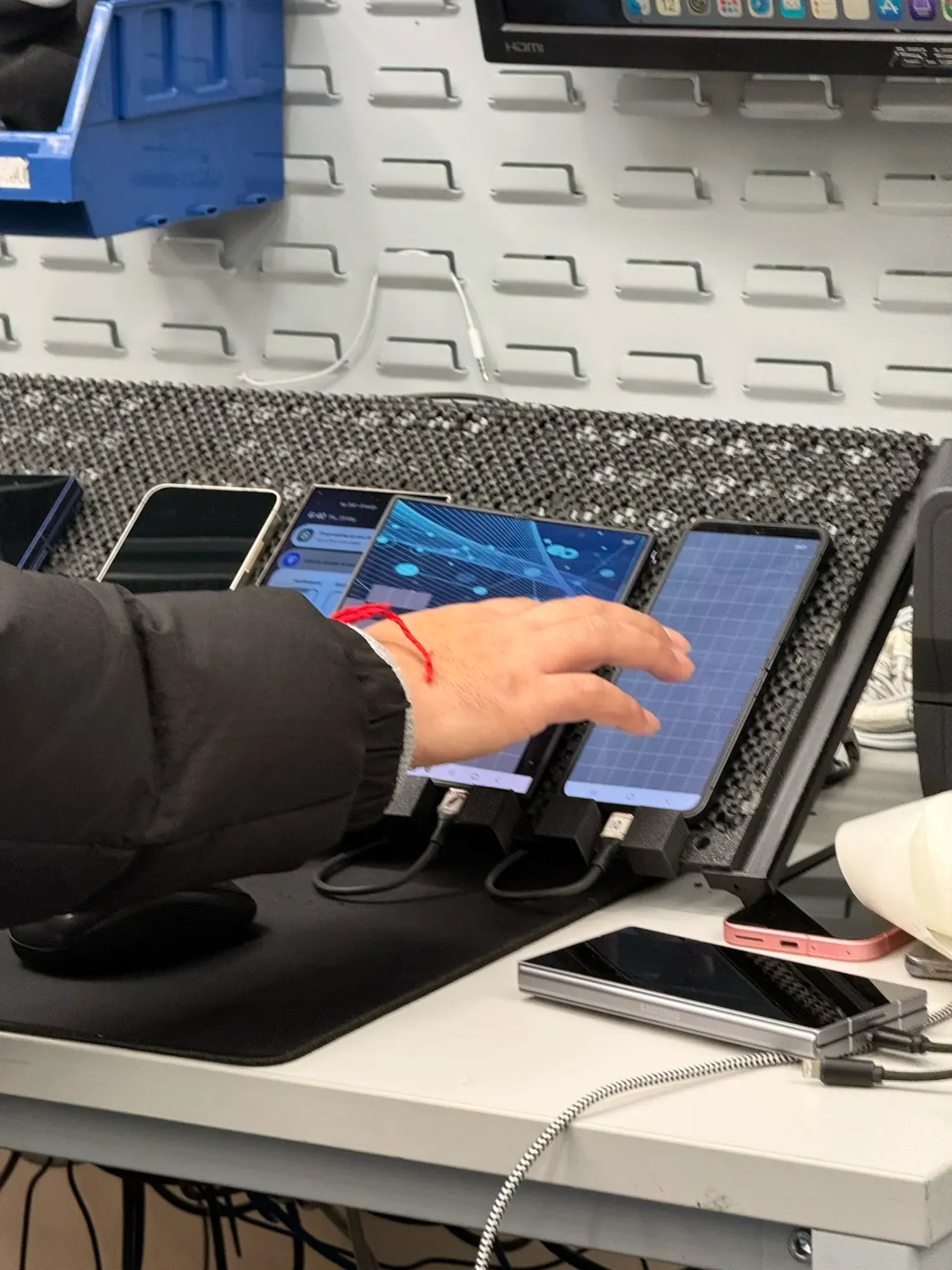
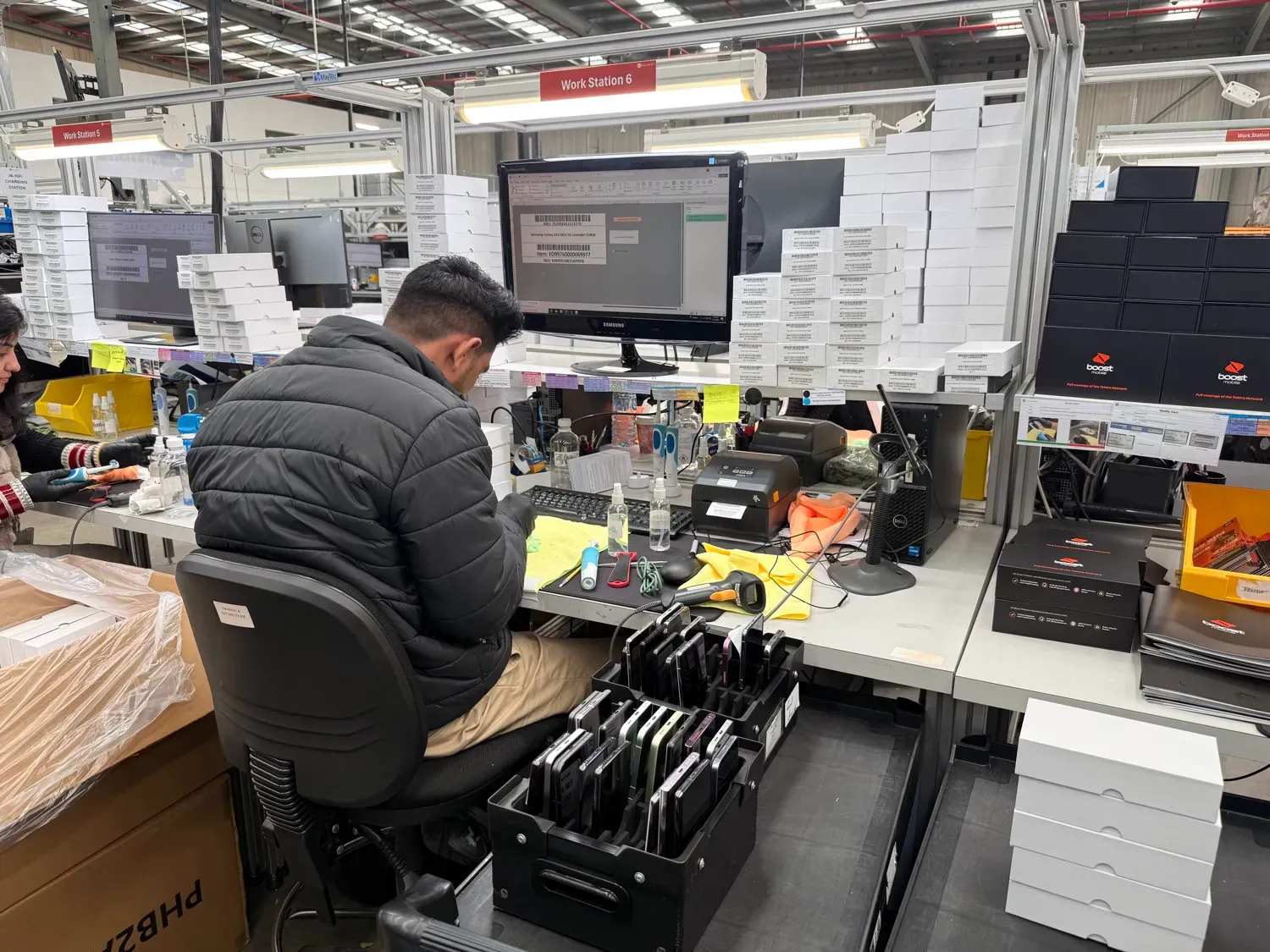
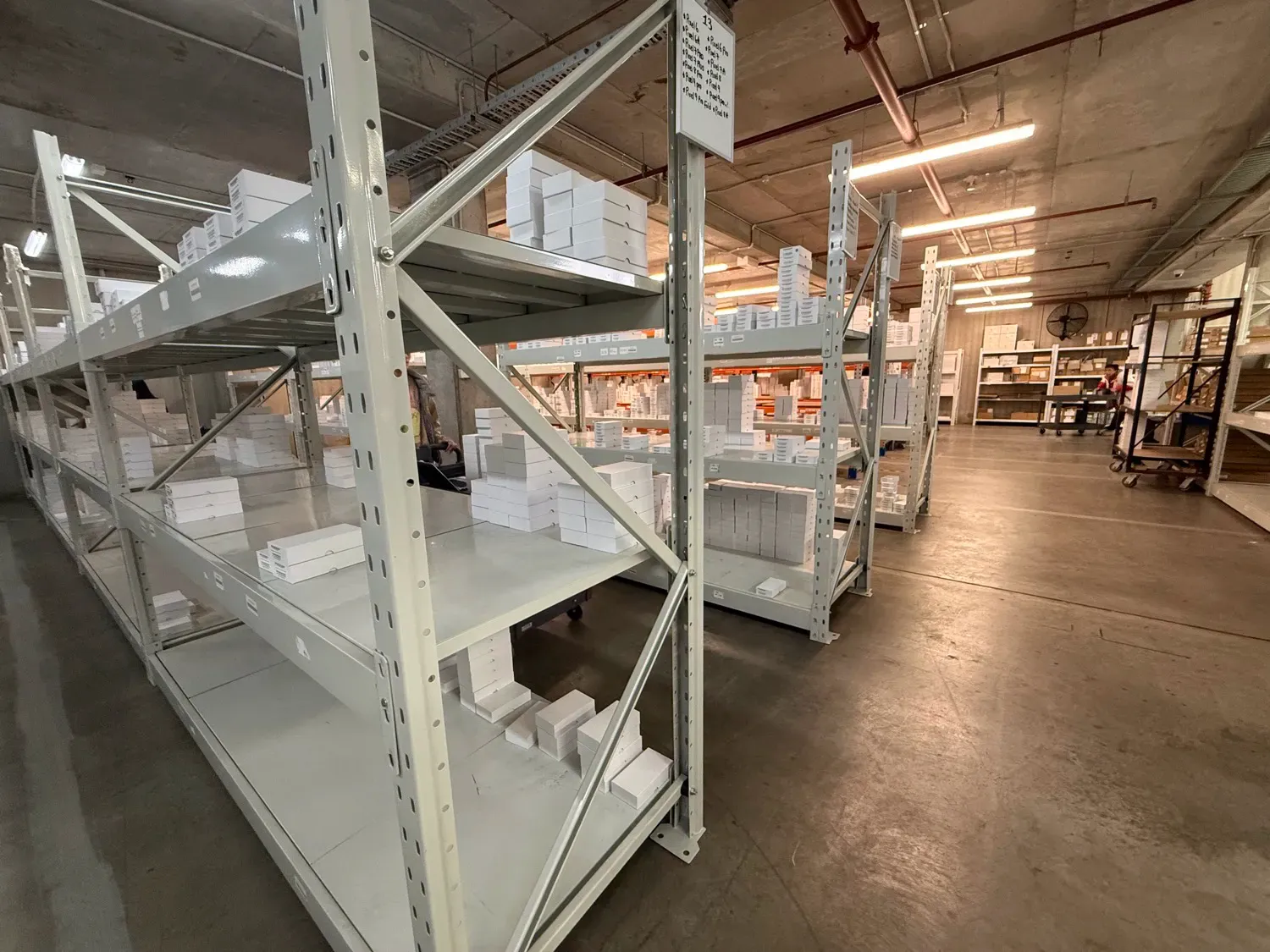
Images from the Assurant tour
There are up to 72-point checks to ensure a device is working properly, though that number does vary by device. As we watched, the Assurant staff were testing some Galaxy Fold 6 devices, for example, which required testing of both the internal foldable screen and the external display.
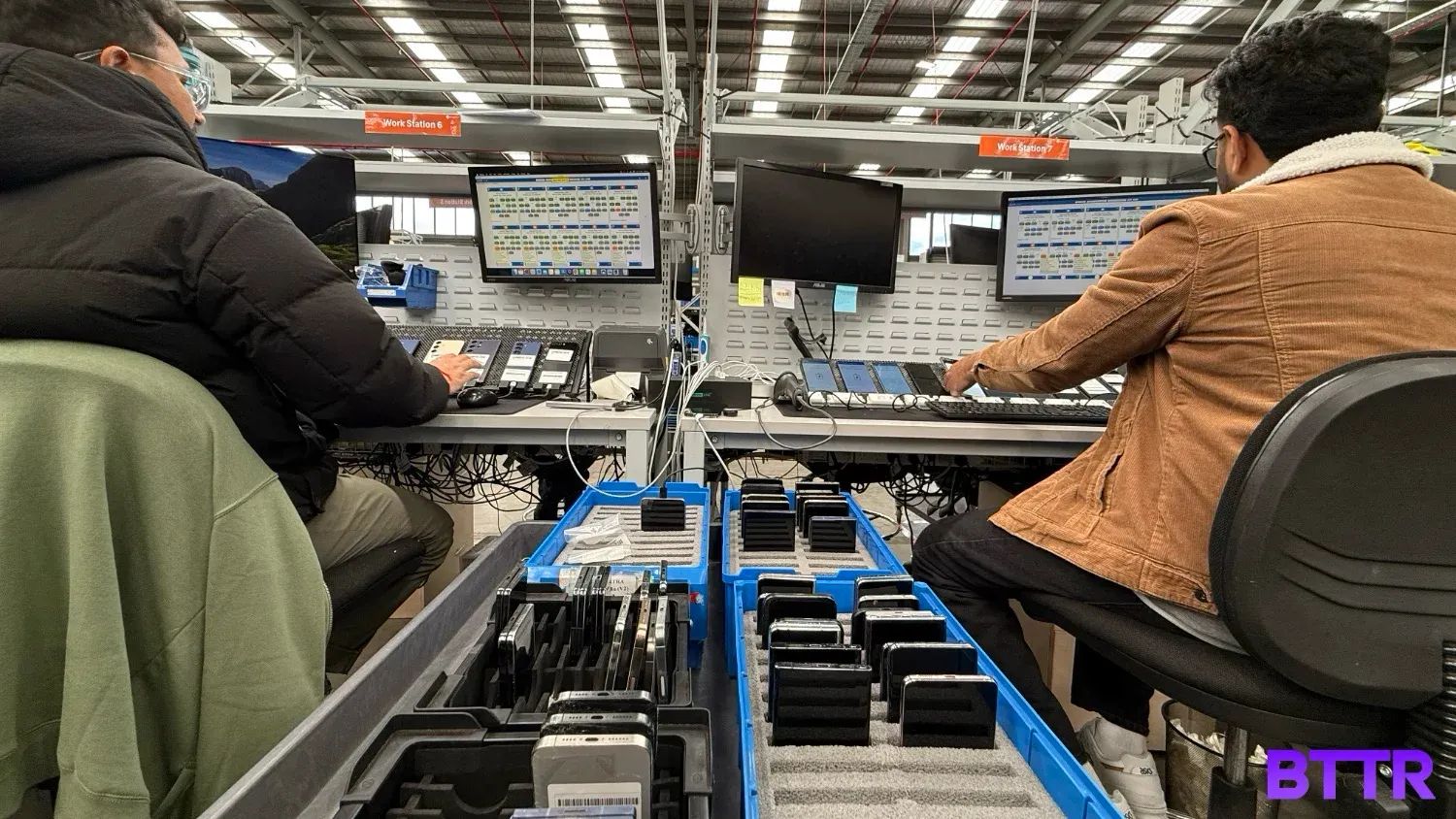
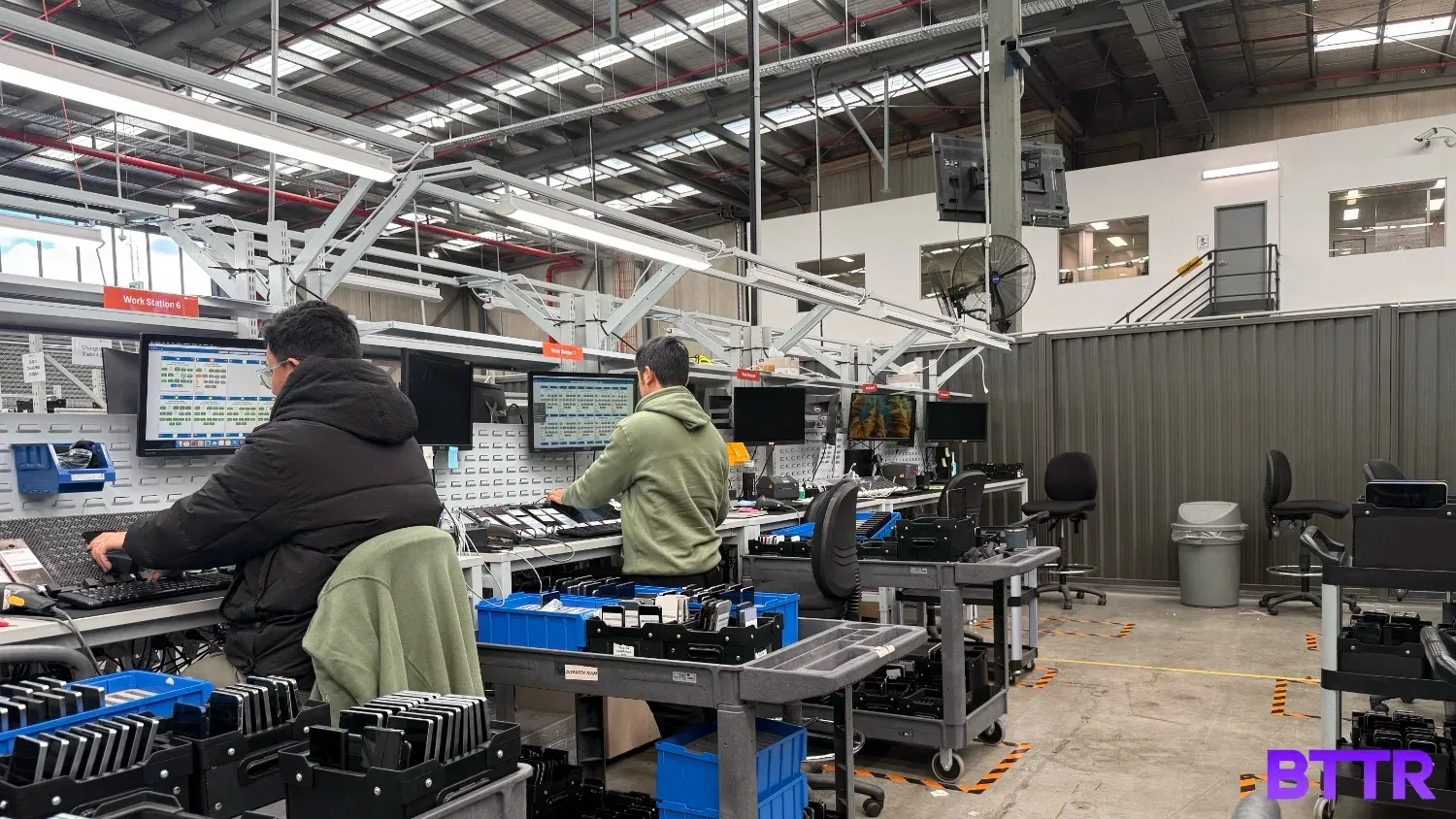
“This is basically data wiping the devices and diagnosing the devices. So the guys will plug in, [and] you can see they have multiple devices going at once,” Lornie explains as we watch the staff checking the phones.
“They'll plug them in, activate them, data wipe them and then run a series of different diagnostic tests on the devices. Really importantly, the diagnostic tests are checking all the functions of the device so that it's performing 100% as per when it came out of the box, and testing everything in terms of microphones, speakers, LCD, buttons, and all the audio stuff.”
Each person tests 8–10 devices at a time concurrently, with each series of tests taking roughly 20 minutes to complete. All up, a single staff member will diagnose and check around 200 devices a day.
That said, some devices are easier to diagnose than others.
“[With Samsungs, you've got to debug them first, so there's an extra step on Samsung [phones],” Lornie told us.
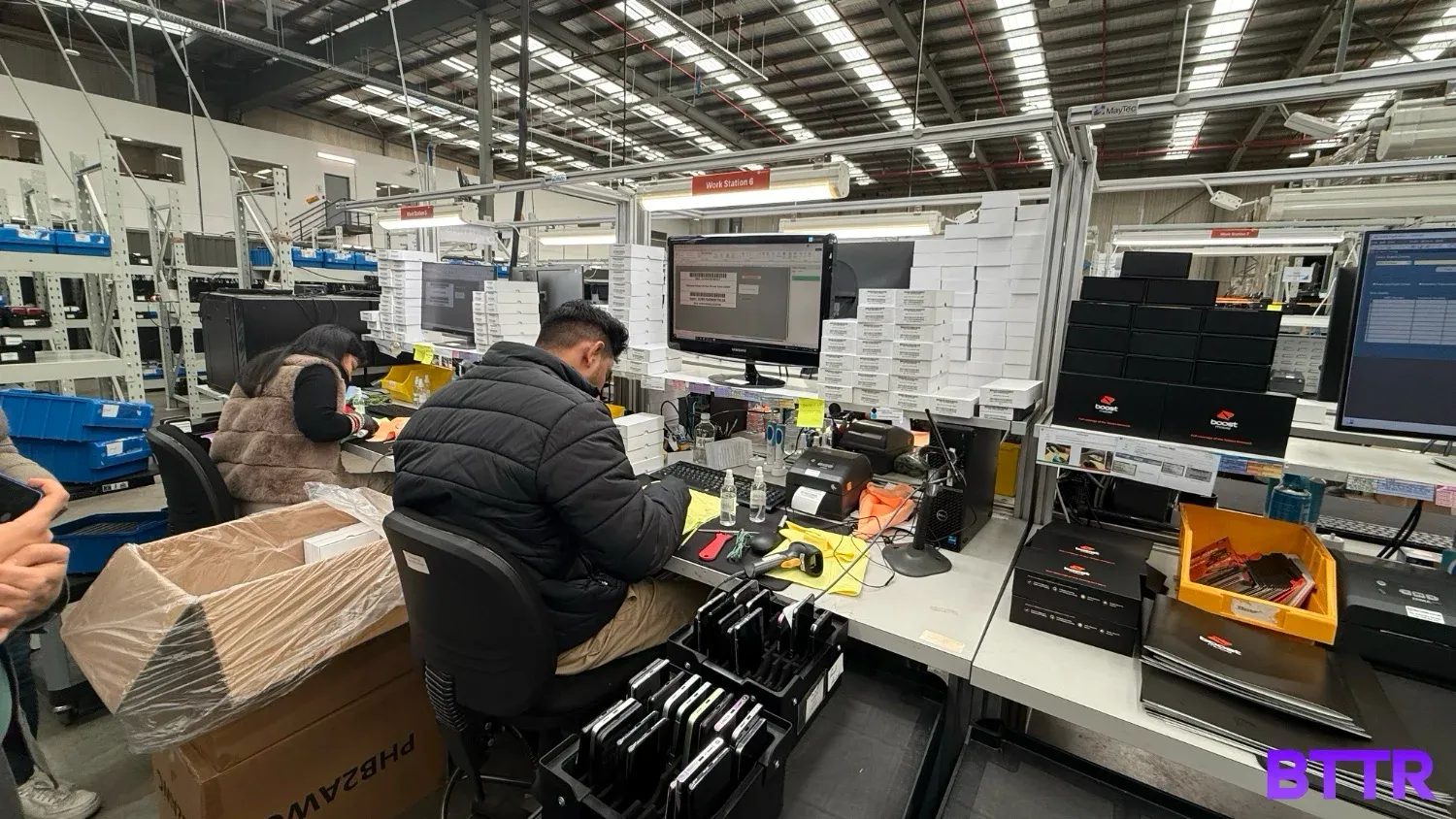
Once a phone has been checked and cleared for resale, it moves on to be cleaned and prepared. The process is meticulous, with staff using electric toothbrushes to scrub even the finest specks of dust from the device.
Each device is then graded according to its cosmetic condition. Assurant offers four different levels of cosmetic grading: A, B, C and D, though some partners, including Boost Mobile, only sell the top A, B and C grades.
Regardless of the cosmetic grading, all devices sold come with a minimum 12-month warranty and a 30-day satisfaction guarantee. While the Auburn facility has the capability to do some small repairs, for the most part, broken devices are shipped elsewhere for repair or recycled through Mobile Muster.
“When the customers do have a warranty issue, we try and just resolve it for them really quickly. And we don't muck around trying to repair the device they've got, which takes a few days,” Lornie explained to us in the warehouse’s small repair section.
“We send out another replacement device for them so they've got another one that’s working ASAP, [which] goes out on Express Post again. And then we deal with whatever the issue is that's come back.”
He also pointed out that the company sells phones that have had the battery replaced.
“We have new battery SKUs, where they can go and choose like an iPhone 13, 128 GB, get a new battery, and they know they're going to get one that's 100%. Otherwise, if they're buying the standard SKU, then that's guaranteed to be at least 80% of their original battery,” he said.
A massive scale, and growing
Assurant’s partnership with Boost Mobile has lasted for six years already, and the refurbished device market has expanded dramatically in that time.
Today, the company offers not just phones, but tablets and smartwatches as well. It partners with a company at a separate facility, which will process game consoles and Dyson vacuum cleaners.
At the Auburn warehouse, Assurant expects to process somewhere between 250,000–300,000 smartphones this year. The scale will depend a lot on the success of Apple’s iPhone launch this year.
“The iPhone launch will double our monthly volumes coming through the warehouse almost overnight, which is a big challenge to scale up our staffing because you can imagine some of these roles are reasonably technical,” Lornie explained.
“Luckily, our best-selling period is late November, early December, with Black Friday and Christmas. So it kind of naturally gels quite well in terms of when we get all the supply and when we can get rid of a lot of it as well.”
And in case you’re wondering, there is a bump when Samsung devices launch, though it’s not at the same scale as Apple devices.
While the numbers are growing steadily in Australia, we still have a long way to go to reach the same level of penetration as in the US, though.
At a single facility in Nashville, Assurant processes over 12 million devices each year. To help manage the scale, there’s a lot of automation in place. Lornie explains to the group at the end of the tour that while the technology is exciting, the cost of implementing automation for the scale they are managing doesn’t make sense just yet.
“[In the US], they're getting to the point that what you saw [during the tour] with the electric toothbrushes, they're gonna have a machine that sprays dry ice all over the devices to do that.”
To hit the level of scale needed for automation, though, there does need to be a shift in the way Australia handles trade-ins.
“I think Australia's catching up pretty quickly in terms of sort of market penetration [of refurbished phones] versus some of the other markets, it's really grown, and it continues to grow,” Lornie explained.
“Trade-in, and customers’ propensity to actually trade in their device at retail at the end of the life of their contract, is very low still.”
“If you walk into some of the stores in the US, there are trade offers everywhere, and when you start talking to a sales rep, the first thing they say is, ‘What have you got to trade with today?’” Lornie added.
While Australian telcos are starting to offer attractive trade-in offers with the launch of a new flagship phone from Apple or Samsung, the demand dies off significantly when those launches are done.
There’s also an opportunity to streamline the process. As Lornie tells us, when you are buying a new phone in retail, and you trade in your phone, you want a discount on the purchase price. Telstra typically offers a credit on your next bill.
Boost’s Bobby Geldens agrees.
“In other markets, you can walk in and get cash on the spot for your device. Major telcos are doing it over in the States. Here, there's a bit of a lag between when you trade in your device and [when] you're getting money. And I think that experience probably puts people off a bit,” he said.
Despite those challenges, though, it’s an exciting industry showing massive potential for more growth. Assurant itself has seen year-on-year growth of 40 per cent.
After six years of partnership, Boost Mobile is confident that selling Assurant’s refurbished phones is a great solution for its customers. To sweeten the pot, every refurbished device purchased through Boost comes with a free $39 Boost SIM card, free express delivery and monthly payment options.
“We think refurb remains an untapped opportunity in the Australian market. I think we lag behind globally, where these programs are a bit more mature, and they do a higher share of numbers,” Geldens said.
“I think that's because awareness still isn’t there, there's still that nervousness in the market with customers being unsure they’re going to get a high-quality device.”
Having toured the Assurant facility, I can say with confidence that any nervousness is unfounded.