

BTTR is independent. We may earn a commission if you buy through our links.
Why trust us? | How we test
Choosing a new mobile plan mostly comes down to three things. Price, data inclusions, and coverage. But the act of switching is also something to think about, and thanks to a technology called eSIM, it’s easier than ever to jump between providers.
Switching mobile carriers used to mean waiting days for a physical SIM card to turn up in the post, or carving out time to visit a store during business hours to grab one.
eSIM has made the entire process almost instantaneous for Australians.
I've switched carriers a few times with eSIMs now to get a better deal, and each time it has been straightforward.
With the sheer number of monthly plans on sale across carriers these days, effortless migration means you should never avoid the switch to a better deal because you can’t be bothered getting a new SIM card.
What is an eSIM?
An eSIM (embedded SIM) is a small chip soldered directly onto your phone's logic board when it's manufactured.
It never comes out, and you never touch it. But also, if it’s not there when you buy it, you can’t add it in later. You need to know if your phone supports eSIM before you try to get one.
Rather than using a SIM card, the eSIM is remotely programmed to hold your carrier's network identity information. That's the same identity data, IMSI (International Mobile Subscriber Identity) number and its associated security keys that a physical SIM would normally store. It just arrives over the internet rather than in an envelope.
Activation is almost embarrassingly simple. You scan a QR code your new carrier gives you, or just tap a link in their app, and your phone downloads what's called a "SIM profile" and installs it.
The whole thing takes a few minutes, compared to the one to five business days a posted physical SIM has traditionally added to the process.
Does your phone support it?
eSIM has become increasingly popular, so most phones sold in Australia over the last four or five years come with eSIM support. But it's definitely worth checking your specific model before you sign up to an eSIM plan.
iPhone. Every model from the iPhone XS (2018) onward supports eSIM. One thing worth knowing if you're importing a phone: in some overseas markets, Apple sells eSIM-only phones with no physical SIM tray at all. In Australia, the iPhone Air is also eSIM only.
An eSIM-only iPhone will work fine on any Australian carrier that supports eSIM, but you permanently lose the option of ever using a physical SIM in that specific device.
Samsung. Samsung's eSIM rollout hasn't been even across its whole lineup.
- Galaxy S series: every model from the S20 (2020) onward, right through to the current S26 line.
- Galaxy Z Fold and Z Flip: everything from the Z Fold2 and Z Flip 5G onward supports it, which covers the vast majority of Samsung's foldables.
- Galaxy A series: Most of the budget-focused A series doesn't have eSIM at all. In Australia, it's currently limited to a handful of specific current models, the A55, A56 and A36.
Motorola. Support here is concentrated at the top of the range. Recent Razr foldables and Edge-series phones generally support eSIM. The Moto G range is far more hit-and-miss. Some higher-spec Moto G models do support it, but plenty of the cheaper ones don't, so check the specific model rather than assuming the whole range is covered.
Oppo. Support sits almost entirely within the Find X and Find N (foldable) flagship lines, plus a handful of newer Reno models. If you've got an Oppo A-series phone, or an older or budget Reno. Newer Reno models including the Reno 11, 13, 14 and 15 support it, but the Reno 12 notably doesn't, so check the specific model number rather than assuming newer automatically means covered.
Google Pixel. Pixel 3a onward supports eSIM.
Other Android brands. Increasingly common on mid-range and flagship phones from other brands, though plenty of budget phones under about $400 across the board still ship without it.
Across every brand here, the fastest way to actually check your specific phone rather than relying on a general rule is to dial *#06# on the phone's keypad. If a 32-digit EID number shows up alongside the IMEI, the phone has eSIM hardware.
What actually happens when you switch, step by step
The underlying process of porting your phone number to a new carrier hasn't changed at all.
You still need your existing account number, or your current SIM's details, and some ID verification to authorise the port. Under Australia's mobile number portability rules, that porting window during business hours is generally required to complete within about two hours.
Here’s the process for switching carriers with an eSIM:
- Sign up with the new carrier online or through their app
- Hand over your existing number and account details to authorise the port
- Get sent a QR code or activation link, usually within minutes of signing up
- Scan it, or tap it, and the eSIM profile downloads and installs itself
- The port completes within the standard window, and you're live on the new carrier
You no longer have to worry about a SIM card arriving in the post or making a trip to the shops to buy a SIM. In most cases, you can start this process on your lunch break and be online on the new network before you're back at your desk.
The benefits of using an eSIM
Switching to a cheap MVNO. Most mobile providers are what’s known as MVNOs, which sell mobile plan services on one of the three Australian networks (Telstra, Optus and TPG/Vodafone). These MVNOs regularly offer strong deals and discounts for limited windows, like double data or dollar savings for several months.
Because eSIM makes switching something you can do in a couple of hours, you can jump from plan to plan quickly and easily, ensuring you always have the best deal for your need.
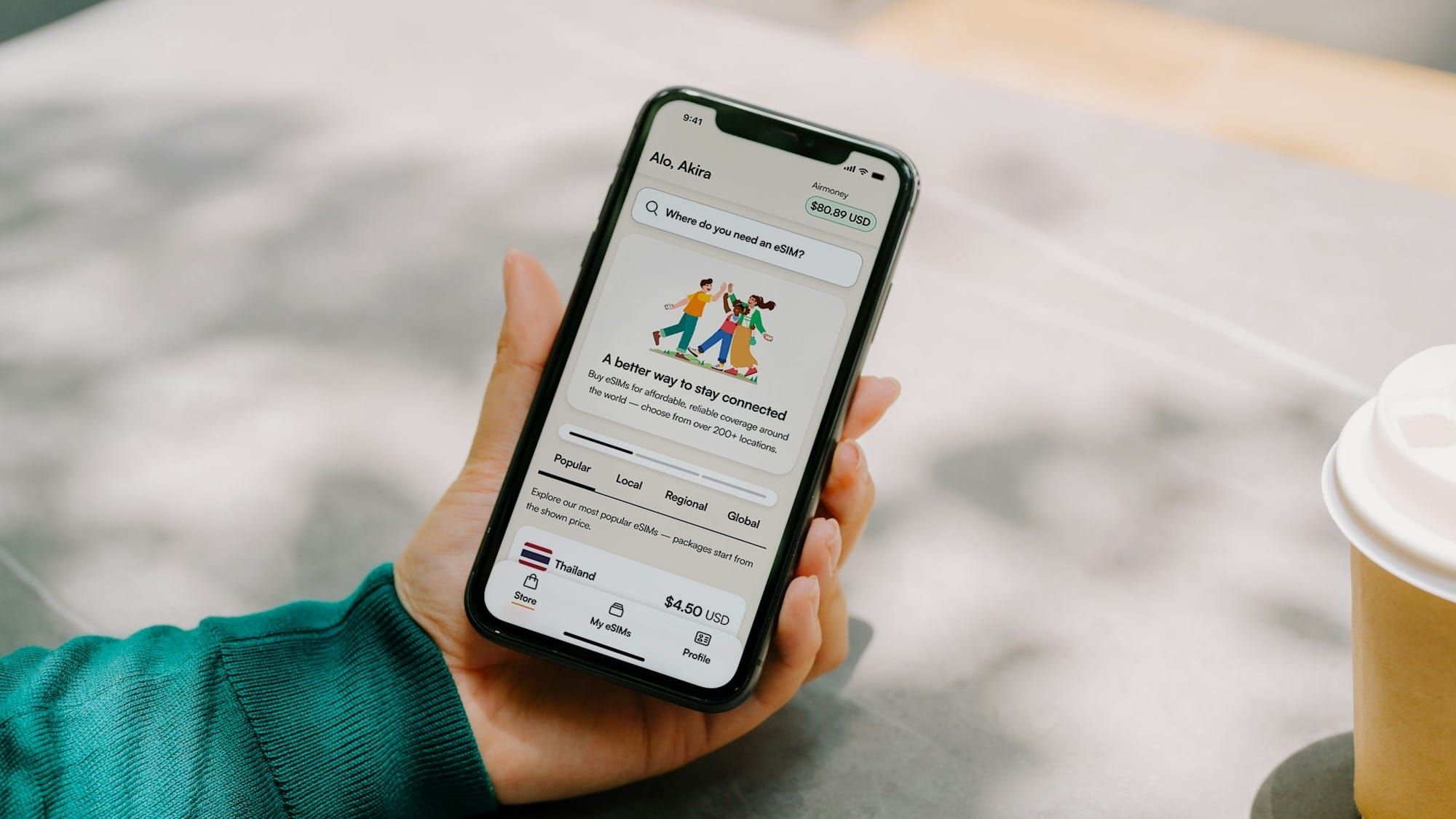
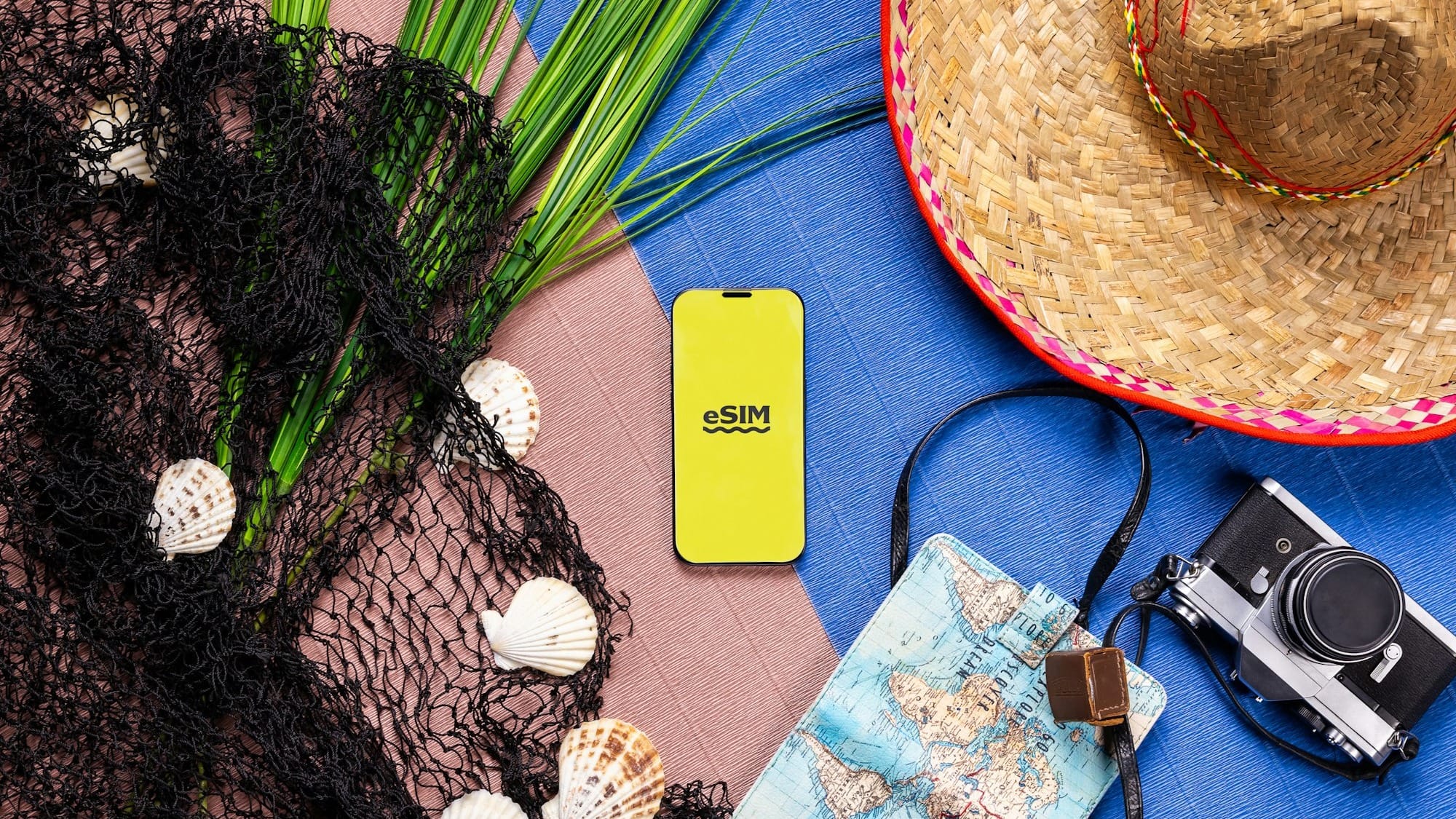
Travel eSIMs. Providers like Airalo, Simify and eSIMX sell short-term data eSIMs for overseas trips, and you can buy and activate one before you've even boarded the plane. When you land and turn your phone on, the data's already working, and you don’t have to go hunting for a local SIM shop at arrivals.
Many travel eSIMs are data-only, so if you require a local number for calls or texts while you're away, check that specifically before you buy.
Running two numbers on one phone. Most eSIM-capable phones can run an eSIM alongside a physical SIM at the same time, and some can even run two eSIMs at once. That means you can keep your personal number active on the physical SIM while a work number, second personal line, or travel plan sits on the eSIM, without needing to carry a second phone.
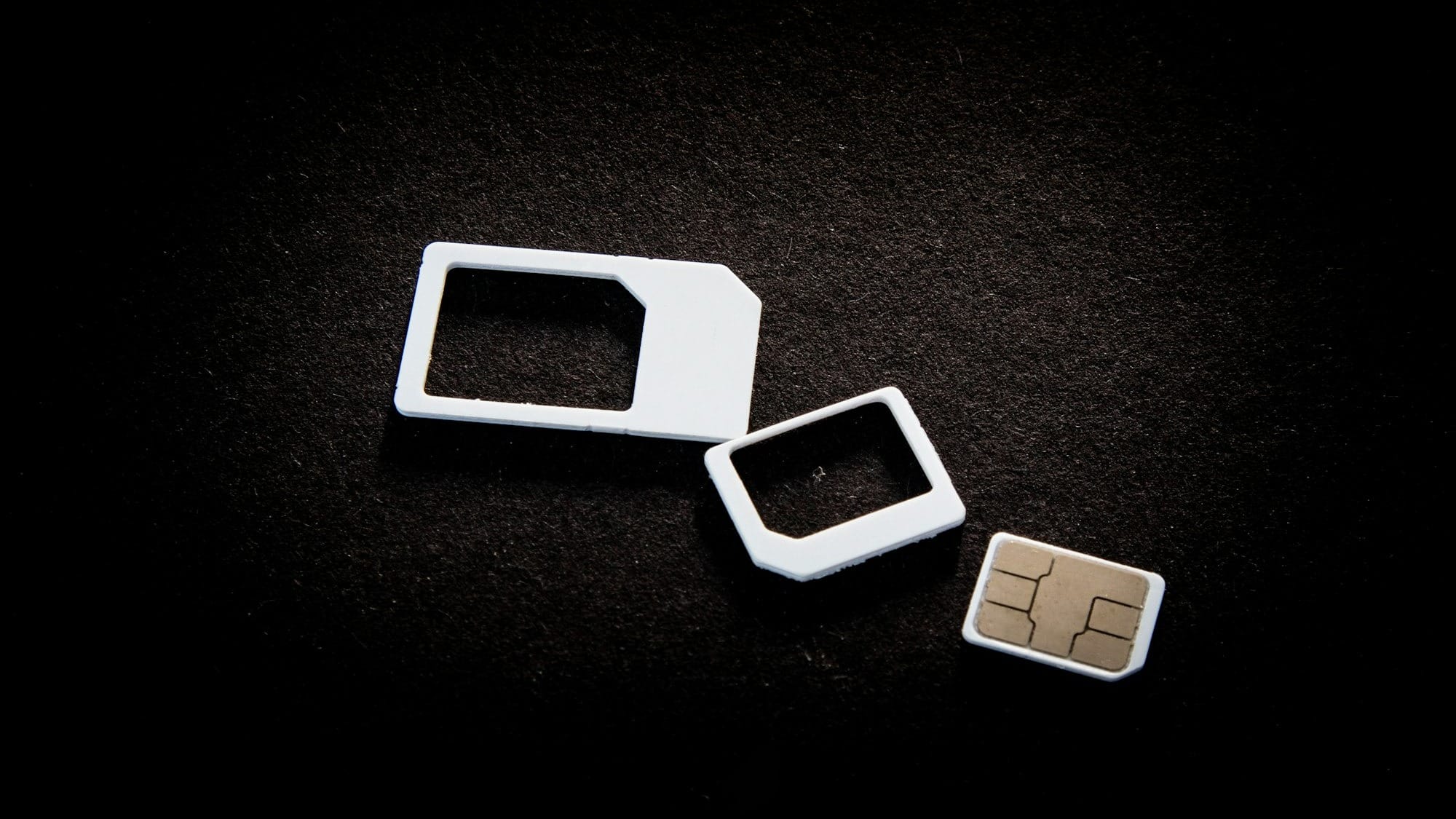
Why a physical SIM card might still make sense
Repairs and resets. If your phone needs a factory reset or a repair that wipes it, you'll usually need to re-download your eSIM profile from the carrier afterward. That can occasionally require a support call rather than simply popping a physical SIM card back in. It’s always worth keeping your carrier account details handy before you send a phone off for repair.
Transfer limits. Some carriers cap how many times a given eSIM profile can move between devices, commonly around five transfers, before you need a fresh QR code from support. This mostly bites people who upgrade phones often, so check your carrier's specific policy if that's you.
No physical backup in an emergency. If an eSIM-only phone (one with no physical slot at all) is lost, stolen, or badly damaged, you can't just pop the SIM into a spare handset the way you could with a physical card. You're relying on your carrier's app, website, or phone support being available to get your number reactivated on a replacement device.
Not every plan supports it. Some prepaid plans and certain providers still require a physical SIM. Check that eSIM is actually offered on the specific plan you're looking at, not just somewhere on the carrier's broader lineup.
Is eSIM worth it?
It depends a lot on your individual needs, but broadly, I would argue eSIM is a great step forward.
It makes the process of switching plans quicker and easier, sure. There’s no extended wait times for physical SIM cards to be shipped.
But its real selling point is for travellers or anyone needing to use a single device with two numbers. Ordering a travel eSIM before you fly internationally lets you hit the ground running, without having to pay expensive roaming charges.
The mistake most people make
The lazy tax is real. People end up stuck on a plan for longer than it makes financial sense to do so, simply because they believe switching mobile providers is a hassle.
If your phone supports eSIM, checking whether a better deal exists costs you nothing more than a few minutes and a QR code scan.
Ask the new carrier whether same-day activation is on offer before you lock in a switch date, and keep your current account number and any transfer details handy, so the port goes through without a hitch.
Whatever you decide, it's worth comparing plans properly before you commit. Switching is easy now. Picking the wrong plan out of habit is the expensive mistake, not the switch itself.
Latest mobile plan deals