

BTTR is independent. We may earn a commission if you buy through our links.
Why trust us? | How we test
I personally know at least three very intelligent people who have fallen victim to a financial scam. And new data from Gen has revealed that things are getting worse out there.
Gen, the company behind Norton, blocked more than 460,000 financial scam attempts across Australia during winter over the past two years, a jump of 105% compared to the average for the rest of the year.
In absolute numbers, the company stopped 463,734 attacks over winter, against a rest-of-year average of 226,070.
Financial scams, which include cryptocurrency and investment cons, are also among the fastest growing scam categories Gen is tracking.
One tactic doing the rounds right now involves scammers taking over Australian social media accounts and using them to spruik fake investment opportunities.
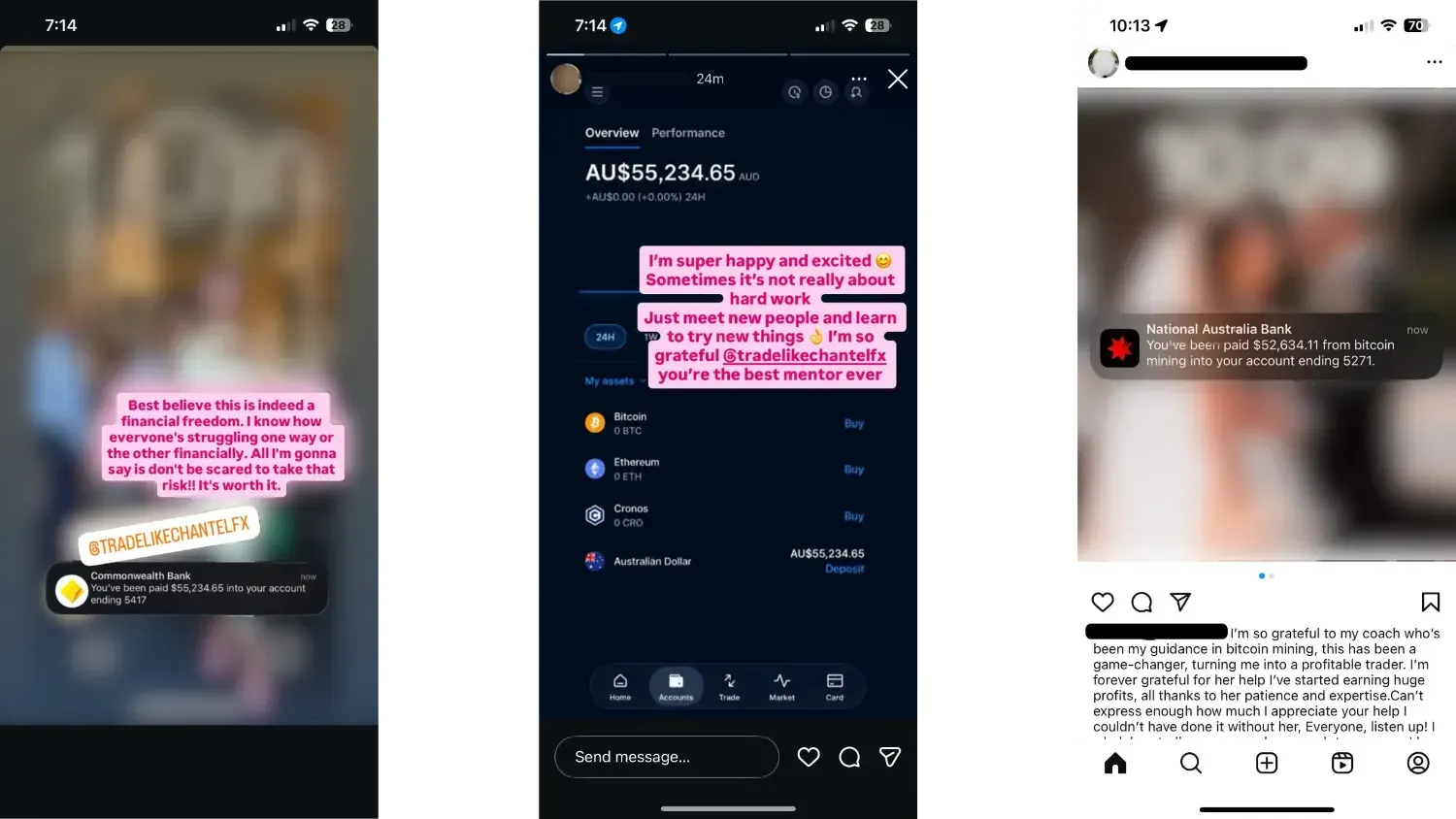
Once they've broken into an account, they post fabricated stories, doctored screenshots and glowing testimonials designed to make it look like the account holder just cashed in on crypto trading, bitcoin mining or some other online scheme.
The examples Gen shared with me (anonymised, but real) are convincing. One compromised account posted a screenshot of a supposed $55,000 bank deposit alongside a pitch for a "crypto mentor". Another claimed more than $52,000 from bitcoin mining, complete with a testimonial thanking a trading coach for life-changing returns. The Instagram account tagged in that second post is still live.
And because the post appears to come from someone you already follow and trust, it lands very differently to a random email from a stranger or a text about a missed parcel.
Dean Williams, principal systems engineer for Norton, says scammers are leaning hard into that trust.
"These scams are designed to create a sense of opportunity and urgency. Cybercriminals use social engineering tactics to make social media users feel like they're missing out on financial success and encourage them to engage with the scammer," Williams said.
"Cybercriminals understand that trust is one of the most powerful tools they can exploit. When an investment opportunity appears to come from a friend, family member or trusted contact, people are far more likely to let their guard down."
Williams adds that most of these "success stories" are pure fiction. The account hasn't struck it rich on crypto, it's simply been hijacked and turned into recruitment bait for the next round of victims.
A hacked account isn't always obvious. If a friend suddenly starts posting about life-changing crypto returns, that's a bigger red flag than a badly spelled phishing email ever was.
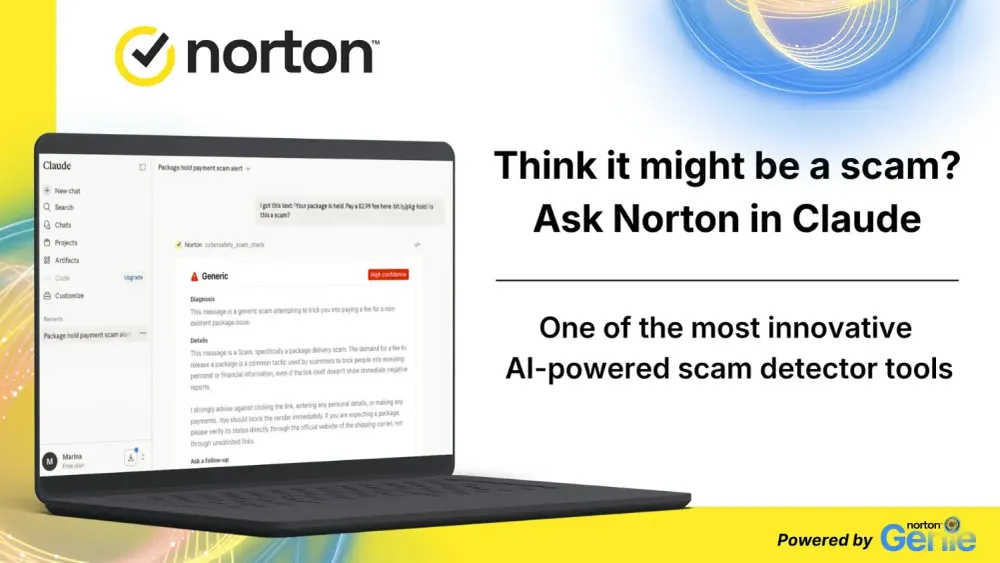
To protect yourself from scams like this, you first need to be vigilant. But you can also look at software from the likes of Norton, or Trend Micro's Security Suite Pro Plus, which builds AI-powered scam detection into its ScamCheck tool.
For identity theft and impersonation, consider a physical NFC security key like the one from Yubico to help limit third party access to your accounts.
Because this latest data suggests both problems are only getting worse over the colder months.
Latest antivirus and security software deals