

BTTR is independent. We may earn a commission if you buy through our links.
Why trust us? | How we test
There are lots of factors to consider when buying a smartphone, but arguably none of them are as important as price. Your budget is probably the biggest limiting factor, so you need to choose the best option for your needs within that financial constraint.
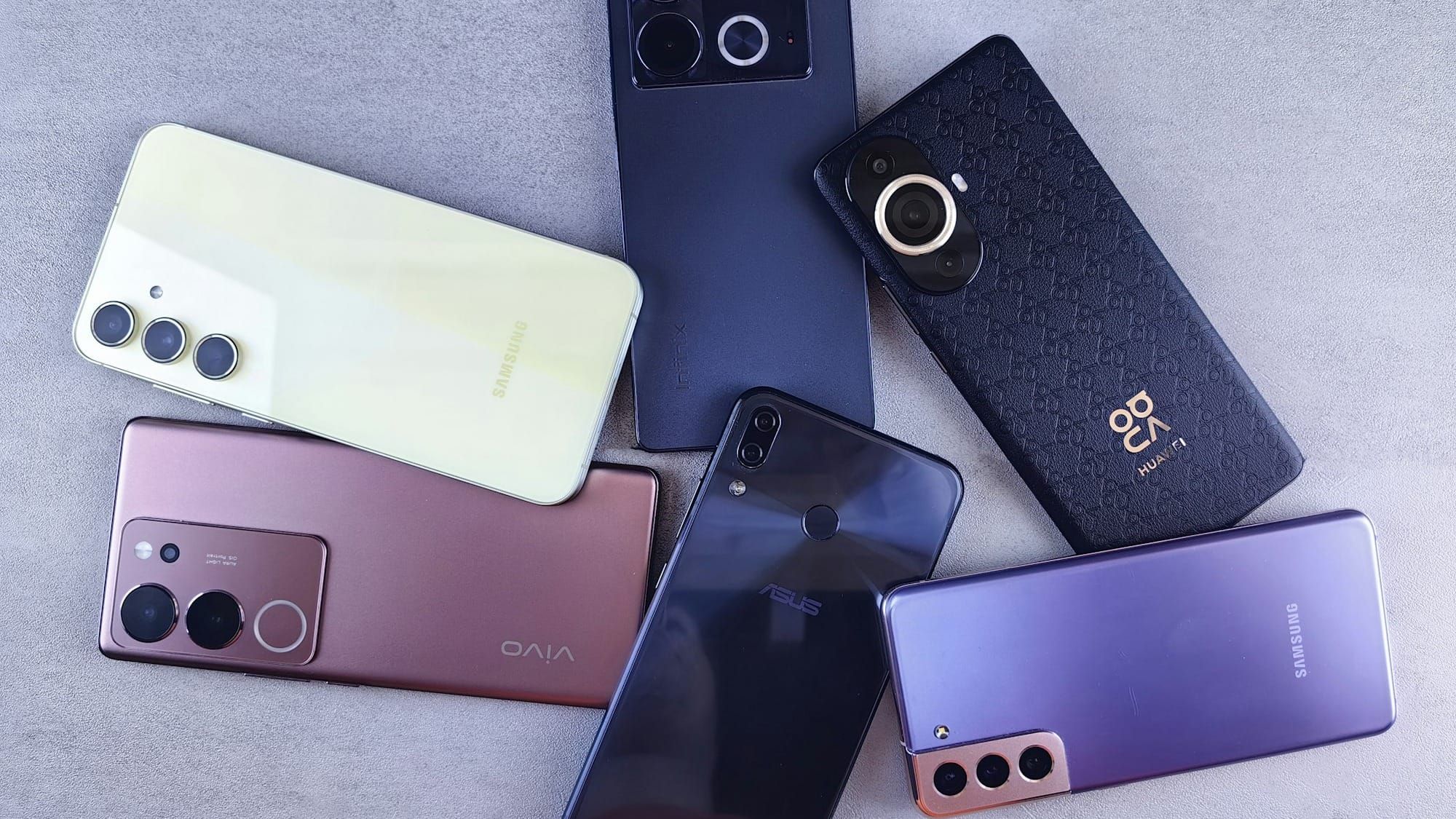
You can mostly break up smartphones into three distinct brackets: Premium, mid-range and budget. Flagship devices can cost over $3,500 and budget handsets under $200, so there really is a phone for everybody's budget out there.
I've tested phones from every bracket, from sub-$400 handsets to $3,500 folding flagships. In recent years, the mid-range has gotten very good, and budget phones perform better than ever before.
What separates the three tiers more than anything else are three specific areas. If you want to understand whether to buy a budget, mid-range or premium smartphone, this guide is designed to help you understand what you sacrifice at each level to achieve that cheaper price tag.
Camera sensor and performance is the biggest differentiator
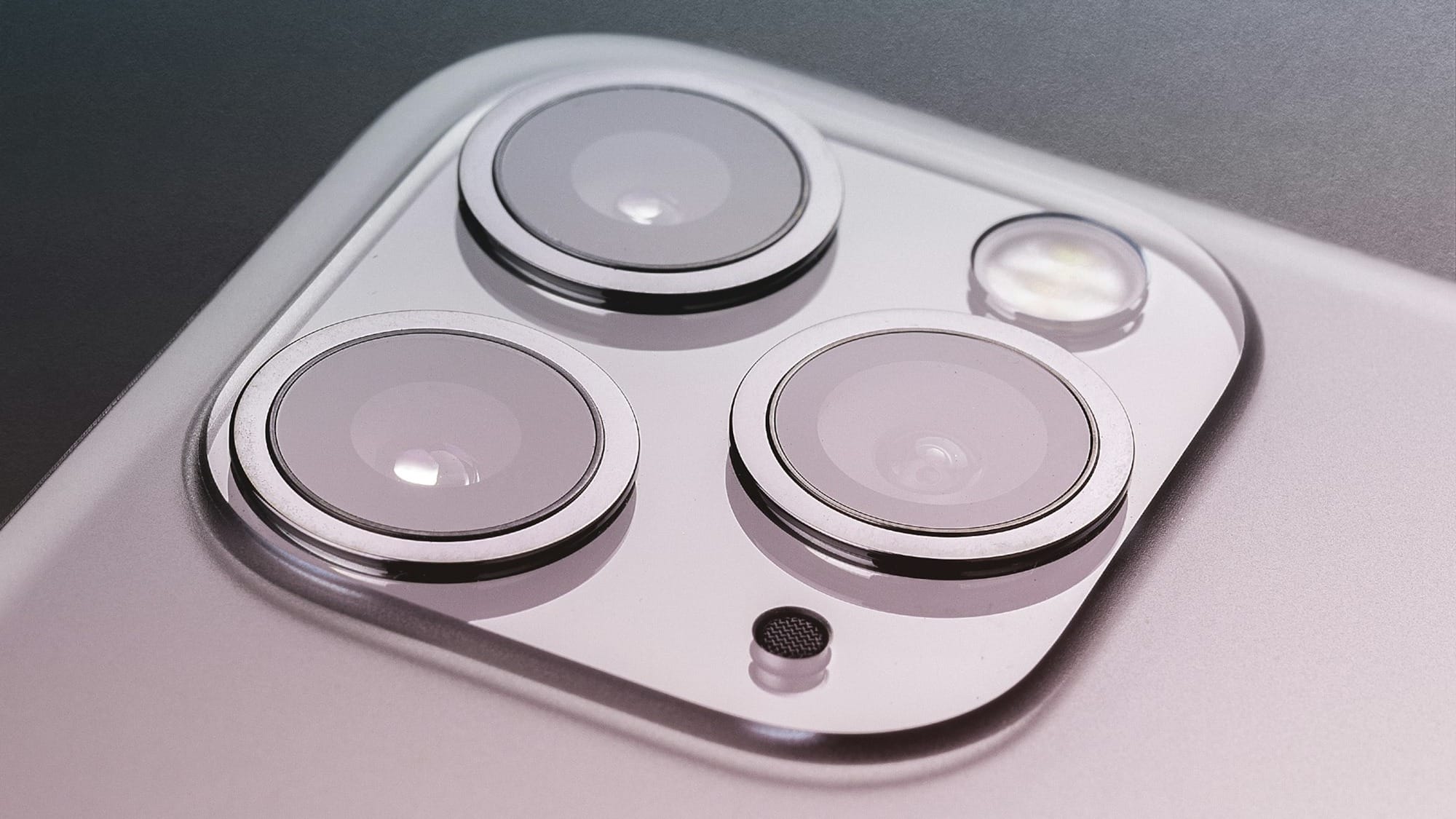
Look at premium phones like the iPhone 17 Pro and compare it to the iPhone 17. The first difference you notice is that the cheaper phone has one less camera lens.
This is common across manufacturers. Samsung's S26 and S26 Ultra bear a similar differentiator.
But it's not just the number of lenses that separate the cream of the crop and the rest. The physical size of the camera sensor is one of the biggest ways manufacturers can cut costs on their products to make them more affordable.
A camera sensor's job is to capture light. A larger sensor area gathers more light, which improves low-light performance, dynamic range, and colour accuracy.
Budget phones typically carry a main sensor around 1/2.76 inch or smaller, mid-range phones sit between roughly 1/1.95 and 1/1.56 inch, and flagships commonly run from around 1/1.3 inch up toward a full inch.
| Tier | Typical main sensor size |
|---|---|
| Budget | 1/2.76" or smaller |
| Mid-range | 1/1.95" to 1/1.56" |
| Flagship | 1/1.3" up to around 1" |
This is also why megapixel count alone is a poor predictor of camera quality across price tiers. Many current sensors, budget and flagship alike, use pixel binning, combining a cluster of four, nine, or sixteen small physical pixels (called photosites) into one larger "virtual" pixel to improve light sensitivity, at the cost of reducing the final output resolution.
The Samsung Galaxy S26 Ultra's 200-megapixel main sensor, for example, is 1/1.3 inch, a fraction of the area of a full-frame camera sensor, and relies on combining groups of four or sixteen photosites to output a more usable image.
A budget phone's 108-megapixel sensor crammed onto a much smaller physical area produces individual photosites so small that, even after binning, they gather noticeably less light than a flagship's larger sensor gathers per pixel.
This is why a 12-megapixel flagship photo is better than a 64-megapixel budget photo in anything other than perfect daylight.
When deciding what phone to buy, think about what you need from the camera. If you take a lot of photos in low light, a better camera sensor will help a lot.
Processor performance
When I review phones, I run a benchmarking program to be able to compare the power of the processor. But that doesn't capture what makes phone processors important.
Flagship chipsets are paired with better internal cooling and typically built on a more advanced manufacturing process, both of which affect how long the chip can sustain its top speed before throttling under heavy, extended load.
A budget phone's chipset might post a reasonable benchmark score in a quick test, but slow down noticeably ten minutes into a demanding mobile game or a long video export, because both the chip's manufacturing process and the phone's physical cooling are built to a lower cost target.
Flagship phones hold their peak performance for longer under the same sustained workload. If you use your phone for difficult, processor-intensive tasks like gaming or video editing, the better the processor the happier you will be with your purchase.
Build quality and materials
Pick up a flagship smartphone and a budget device at the same time and you'll feel the difference before you power either on.
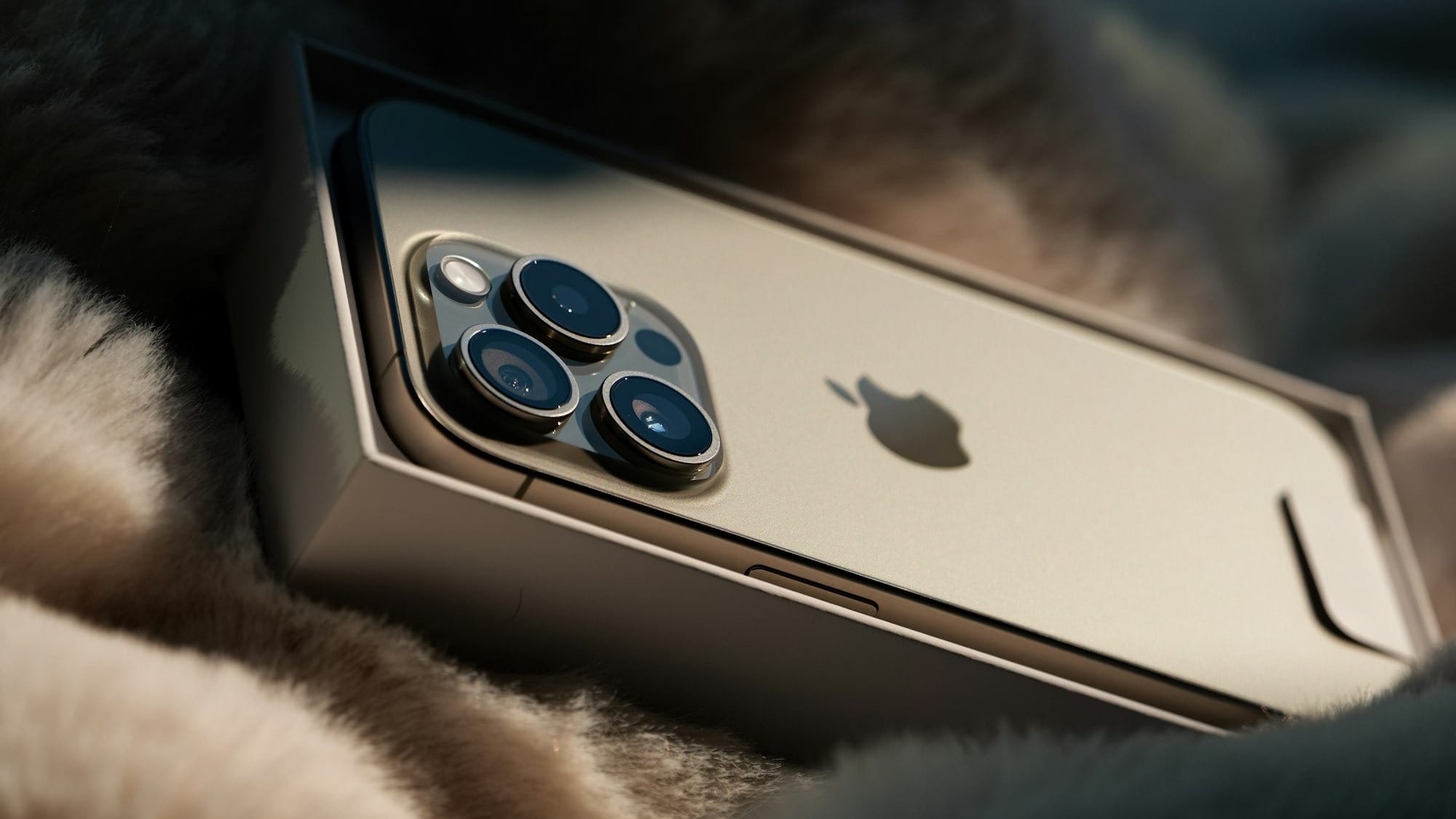
Flagship phones increasingly use premium metal frames like titanium or aluminium, paired with toughened glass like Gorilla Glass Victus on the front and back.
Metal frames dissipate heat better than plastic, which matters when a chipset is working hard, and toughened glass survives drops better than the plastic backs on cheaper phones.
Budget devices (and most mid-range phones) use polycarbonate, plastic, backs instead.
It's lighter, cheaper to produce, and more resistant to shattering than glass, but it picks up fingerprints more readily, scratches more easily over time, and doesn't move heat away from the chipset as effectively.
None of this makes a plastic-backed phone bad. But if you want premium materials in your phone’s build, it will cost you.
Don't overlook software update longevity
It's only in the past few years that ongoing software update support has become a real differentiator for smartphones.
Flagship phones from Samsung and Google now carry seven-year update commitments as standard on current models across both OS and security.
Budget phones from the very same manufacturers, and most other entry-level models, often still carry only two to three years of major OS updates, and maybe an extra year of security updates.
This becomes problematic because a budget phone bought today can stop receiving security patches before you expect it to. You don't want to run that risk.
What the mid-range gets right
Mid-range phones, broadly in the $500 to $1,200 bracket, have become the smartest place to spend for most buyers.
You get a capable main camera, even though the secondary ultra-wide or zoom lenses will generally trail a flagship's performance.
You get a smooth, fast everyday experience for browsing, messaging, and social media, with the performance gap only becoming obvious under gaming or heavy multitasking.
Mid-range phones are also great for battery life. Without all the internal bells and whistles, mid-range phones can dedicate more of their internal space to a bigger battery. And because they use less power-hungry components, the battery also lasts longer per charge.
Where mid-range still shows its limits is in secondary camera quality, night mode processing speed, and display refresh rate consistency.
A mid-range phone might also advertise a 120Hz display, but drop to 60Hz across more of its apps than a flagship would, as a deliberate battery-saving trade-off rather than a limitation of the panel itself.
The things that don't matter too much
Benchmarks are really only a guide, you shouldn't use them as a key deciding factor.
Even a chipset several generations old handles things like opening apps, scrolling, texting, and general browsing without perceptible lag.
When it comes to displays, screen resolution above 1080p isn't as big a factor as you might think. Most people can't reliably distinguish a 1440p display from a 1080p one at typical phone viewing distances.
A screen's colour accuracy and peak brightness make far more difference to how good it looks day to day than resolution ever will.
If you don't play graphically intense games or edit lots of video on your phone, you probably don't need to worry about RAM beyond 8GB.
More RAM helps apps work in the background for longer, but the everyday impact is smaller than the number on the box suggests for anyone not running genuinely demanding, memory-hungry apps.
IP water resistance ratings and wireless charging, once flagship-exclusive, are now common on plenty of mid-range phones too.
If a specific mid-range model on your shortlist already has an IP68 rating, you're not necessarily missing out by skipping the flagship for this reason alone.
How to decide which tier suits you
If smartphone photography matters to you, shooting indoors or at night, a phone's sensor size is the best reason to spend more on your phone.
Otherwise, if you mostly use your phone for messaging, browsing, and streaming, a mid-range phone will feel close to indistinguishable from a flagship in daily use. You'll only really notice performance dips under sustained heavy load.
If you plan to keep your phone for over four years, you need to think about the software support window. Budget phones are not typically designed to last that long, and mid-range devices generally don't go longer than that either.
Ultimately, you should buy the best phone your budget allows, but if money is tight you'll get much better value from a mid-range phone than a budget device.
Budget phones make sense as a stopgap or emergency, but for most people the better performance, longer software support and improved camera of the mid-range will be a better option.
Latest smartphone deals