

BTTR is independent. We may earn a commission if you buy through our links. Why trust us?
The Galaxy Z Fold8's passport-style redesign is fantastic, with a squatter cover screen that works one-handed and a 4:3 inner display better suited to video and reading. The dual 50MP cameras skip a telephoto lens and processor performance barely moves on from the Fold7, so it's not a spec-sheet upgrade across the board. Starting at $2,699, it's a step forward for the format, if you can stretch to the price.
- Passport-style design is comfortable to use one-handed, with a wider front screen than previous Fold models without added thickness
- New 4:3 inner display aspect ratio suits landscape gaming and movies, and portrait reading, better than earlier Folds
- Flex Titanium hinge makes the crease far less visible than any previous Fold generation
- 4,800mAh silicon carbon battery comfortably clears a full day of use
- No telephoto lens, only 2x crop zoom, so the Fold8 Ultra or S26 Ultra is needed for real reach
- Processor performance sits roughly on par with last year's Fold7, no real generational boost
- Inner display is a serious fingerprint magnet, more noticeable because of the black bars during video
- No built-in Qi2 magnetic wireless charging
After reviewing OPPO’s Find N6 earlier this year, I expected Samsung to lift its game with the launch of its 2026 Galaxy Z series of foldables. OPPO’s crease free display was good enough to throw down a real challenge for Samsung’s dominance.
Turns out, Samsung decided to change the game. The passport-style design of the Galaxy Z Fold8 doesn’t make a lot of sense on paper – at least not to me.
But in the hand? The phone is wonderful. The front screen is one of the most comfortable devices to use one-handed I’ve tested in years.
The real win is in the shifted aspect ratio when opened up. It’s just like an iPad Mini, making it great for gaming and movies in landscape mode, while vertical mode is perfect for reading.
The biggest challenge the Fold8 faces is the price. Because while the device is undoubtedly cool, and there are benefits to the form factor, with RRPs starting at $2,699, it’s immediately out of range for many Aussies.
What makes the Samsung Galaxy Z Fold8 stand out?
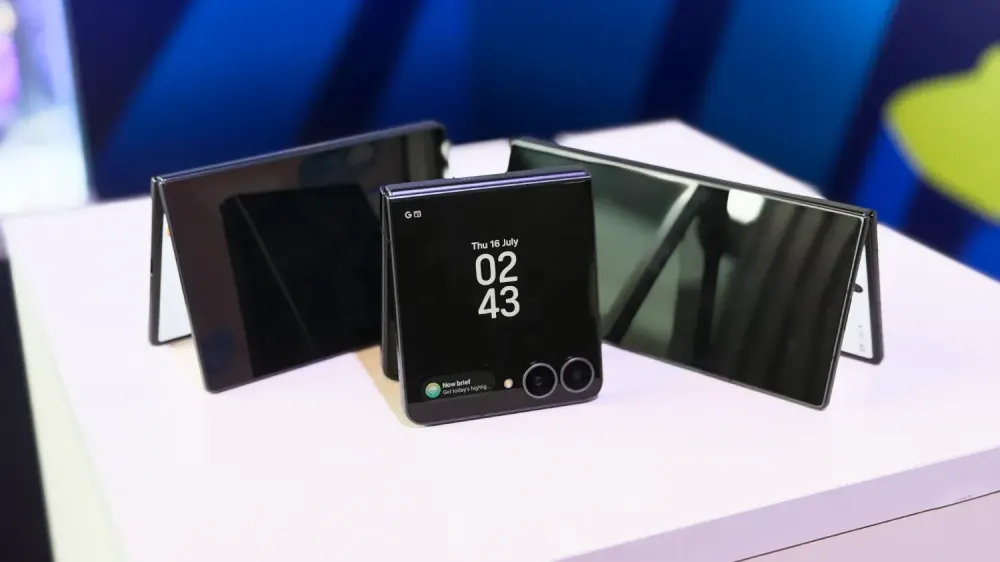
The big switch up this generation is the passport-style design.
Shorter and squatter than last year’s Fold7, but without increasing the overall thickness. The external screen is still 5.5 inches, with a 1248 × 1972 pixel resolution and 3000 nits of peak brightness.
The internal display stretches out to 7.6 inches, but with a 4:3 aspect ratio (and 1848 × 2448 pixels).
That shift in aspect ratio is going to change the foldable market. By this time next year, expect this to be the default foldable aspect ratio because it really just works well.
A part of the shift comes from how Samsung has redesigned its hinge. The new flex titanium design helps to dramatically reduce the visual presence of the crease on the internal screen.
It’s still there, at least more than the OPPO Find N6, but it’s barely noticeable compared to previous Fold generations.
That internal screen has a new anti-reflective coating that makes everything much easier to see in brighter daylight (including your fingerprints, sadly).
Another big change with this phone is the shift to a 4,800 mAh silicon carbon battery. Silicon Carbon allows for a denser battery, effectively packing more juice into a smaller size.
But it also means better thermal management, so it won’t get as hot during charging. That’s helped Samsung push up fast charging speeds to 45W (if you spring for the fast charger).
Perhaps most interesting is that Samsung has kept the traditional Fold form factor for the Fold8 Ultra. There are a few additional spec bumps to separate them, but the design is a big differentiator this year.
Samsung Galaxy Z Fold8 specs
| Specification | Detail |
|---|---|
| Price | $2,699 (256GB/12GB), $2,999 (512GB/12GB), $3,599 (1TB/16GB) |
| Colours | Graphite, Cream, Lavender, Pistachio (Samsung.com exclusive) |
| Cover display | 5.5-inch Dynamic AMOLED 2X, 1972×1248, 120Hz |
| Inner display | 7.6-inch Dynamic AMOLED 2X, 1848×2448, 4:3 aspect ratio, 120Hz, Flex Titanium anti-reflective coating |
| Processor | Snapdragon 8 Elite Gen 5 for Galaxy, octa-core (4.74GHz + 3.6GHz) |
| RAM / Storage | 12GB + 256GB, 12GB + 512GB, 16GB + 1TB |
| Rear cameras | 50MP f/1.8 wide + 50MP f/1.9 ultra-wide, OIS, 2x optical quality zoom, up to 10x digital zoom |
| Front cameras | 10MP f/2.2 (cover), 10MP f/2.2 (inner) |
| Video | Up to 8K@30fps recording |
| Battery | 4,800mAh silicon carbon, up to 26 hours video playback |
| Charging | 45W wired, wireless charging (no built-in Qi2 magnets) |
| Water resistance | IP48 |
| Dimensions (folded) | 123.9 × 81.9 × 9.7mm |
| Dimensions (unfolded) | 123.9 × 161.4 × 4.5mm |
| Weight | 201g |
| Connectivity | Wi-Fi 7, Bluetooth 6.0, USB-C (USB 3.2 Gen 1), NFC, UWB, dual SIM (Nano-SIM + eSIM) |
| Software | One UI 9 (Android), security updates guaranteed until 31 July 2033 |
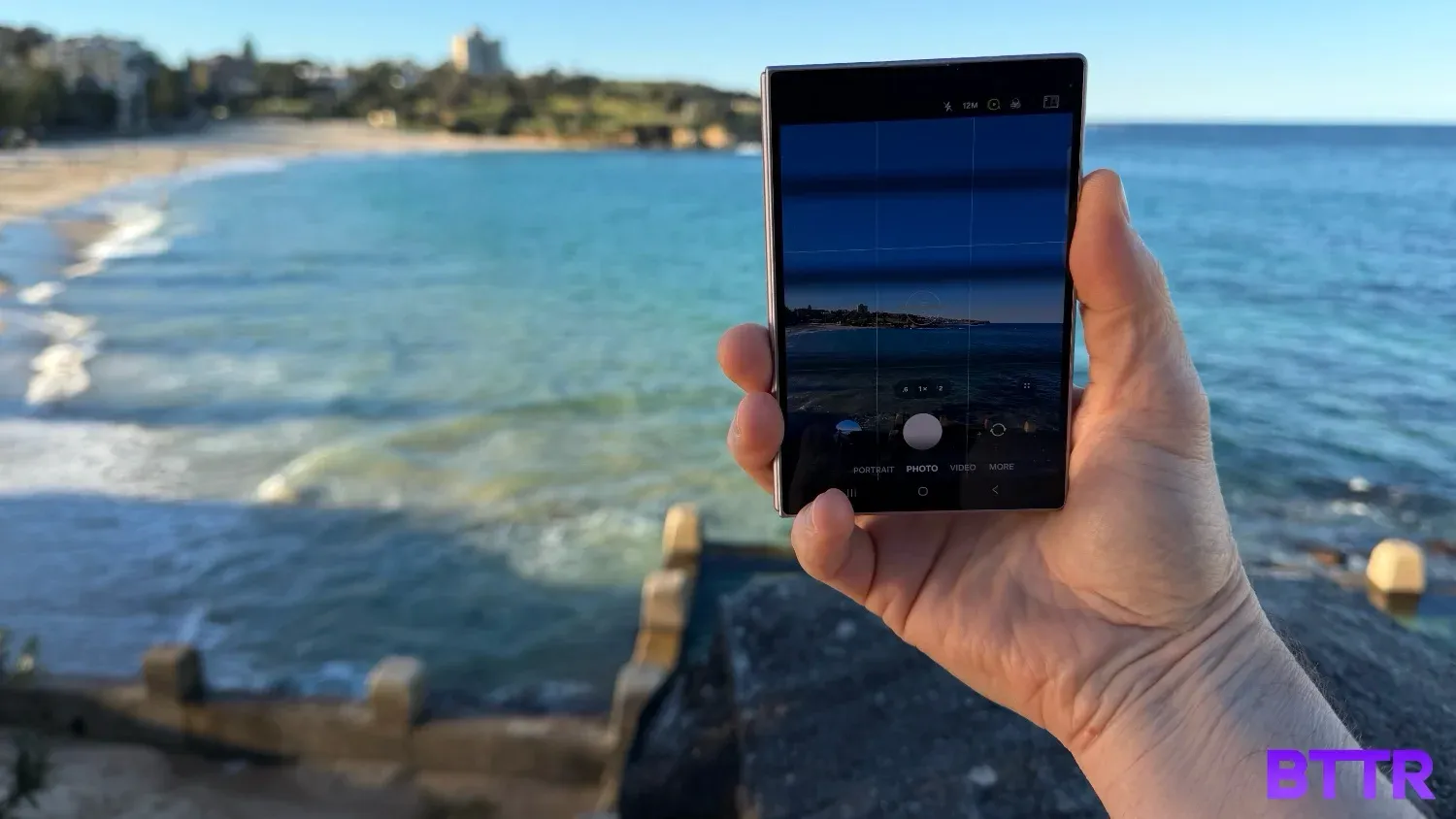
Design and build quality
For foldable phones, I think the passport design of the Fold8 is surprising for two big reasons.
The first is how well it works. The new form factor has near-universal adoration from everyone I’ve spoken to about it.
The second is why it took so long to launch. I imagine the form factor wouldn’t work anywhere near as well if the phone were stuck at the same thickness levels as the Fold5, so last year’s Fold7 needed to exist as a stepping stone.
But regardless, the passport-style feels great in the hand. For me, the easiest win was being able to use the device one-handed. The front screen is almost small enough now for me to use entirely one-handed. Though honestly, typing is still easier two-handed on the external screen.
The extra width helps a lot here. Where the front display of previous Fold models felt cramped, the Fold8 feels luxurious.
While the external display is a bit smaller than other models, it’s still great for pretty much everything. Scrolling social media is great, and even watching YouTube videos horizontally is decent.
But the reality is, with this device, that’s the time you’re going to open it up.
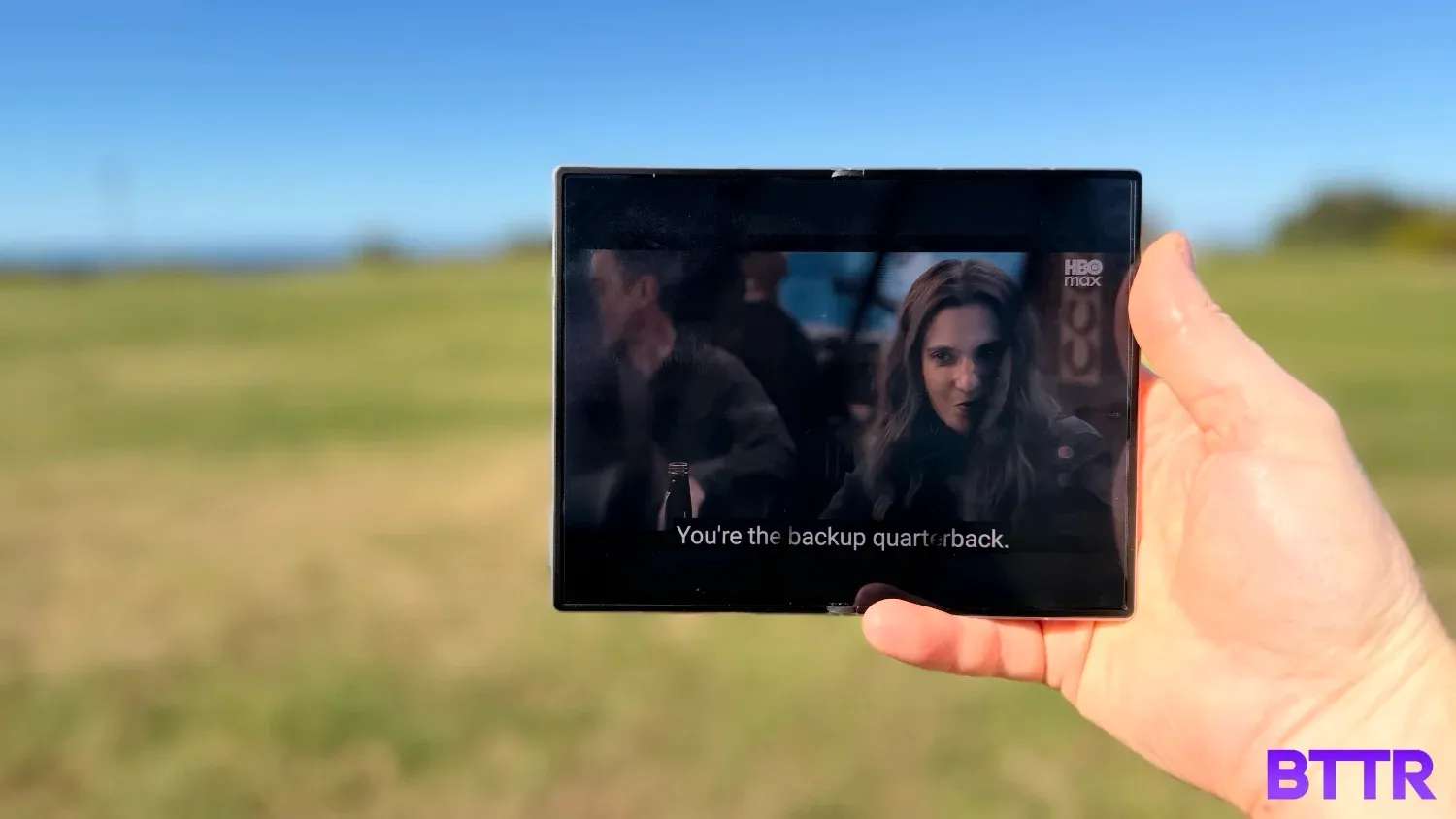
The 4:3 aspect ratio means watching video, whether on YouTube or Netflix (or any other streaming service), will have black bars top and bottom. It’s a bit of a bummer, but you quickly learn to ignore it.
I also found typing on the internal display a bit more awkward than I expected.
While Samsung’s anti-reflective coating makes the internal display easy to see in daylight, it’s also a fingerprint magnet. You’re constantly trying to wipe the larger internal display down to clear the smudges from your digits.
It feels worse than most phones I’ve reviewed. The screen is plenty bright enough to shine through it, but remember that talk about black bars when watching video? That’s where the fingerprint issue really becomes frustrating.
While the build quality is on par with the exceptional levels Samsung has been producing in its flagships for years, I honestly wish it would do something about the camera bump.
The fact it sits to the top of one side of the phone means the Fold8 can never sit flat, unless you place it face down or buy a case.
That’s not a bad idea in itself, but it feels like only half the battle. Samsung could easily consider a full-width camera island like Apple and Google at this point for device stability.
Performance
Anyone searching for a big boost in processor performance over last year’s Fold7 will be disappointed.
Though it is powered by the Snapdragon 8 Elite Gen 5 for Galaxy, which is the same chip in the S26 Ultra, the Fold8’s Geekbench benchmarks ran eerily similar to last year’s Fold7.
For everyone else who just wants a phone that does the job, then the Fold8 delivers admirable performance.
At its core, the Fold8 is a device designed to consume content, with maybe a touch of creation if you’re that way inclined. The large internal screen is perfect for watching videos horizontally, or scrolling social media or reading books in vertical mode.
So the fact the processor sits roughly on par with last year’s model isn’t really a negative.
It’s perfectly capable of handling multitasking across that internal display as well. You can watch a video while sending emails effortlessly.
While you might expect it to get a little warm under duress, it’s not really something I noticed during my review period, either.
Display performance
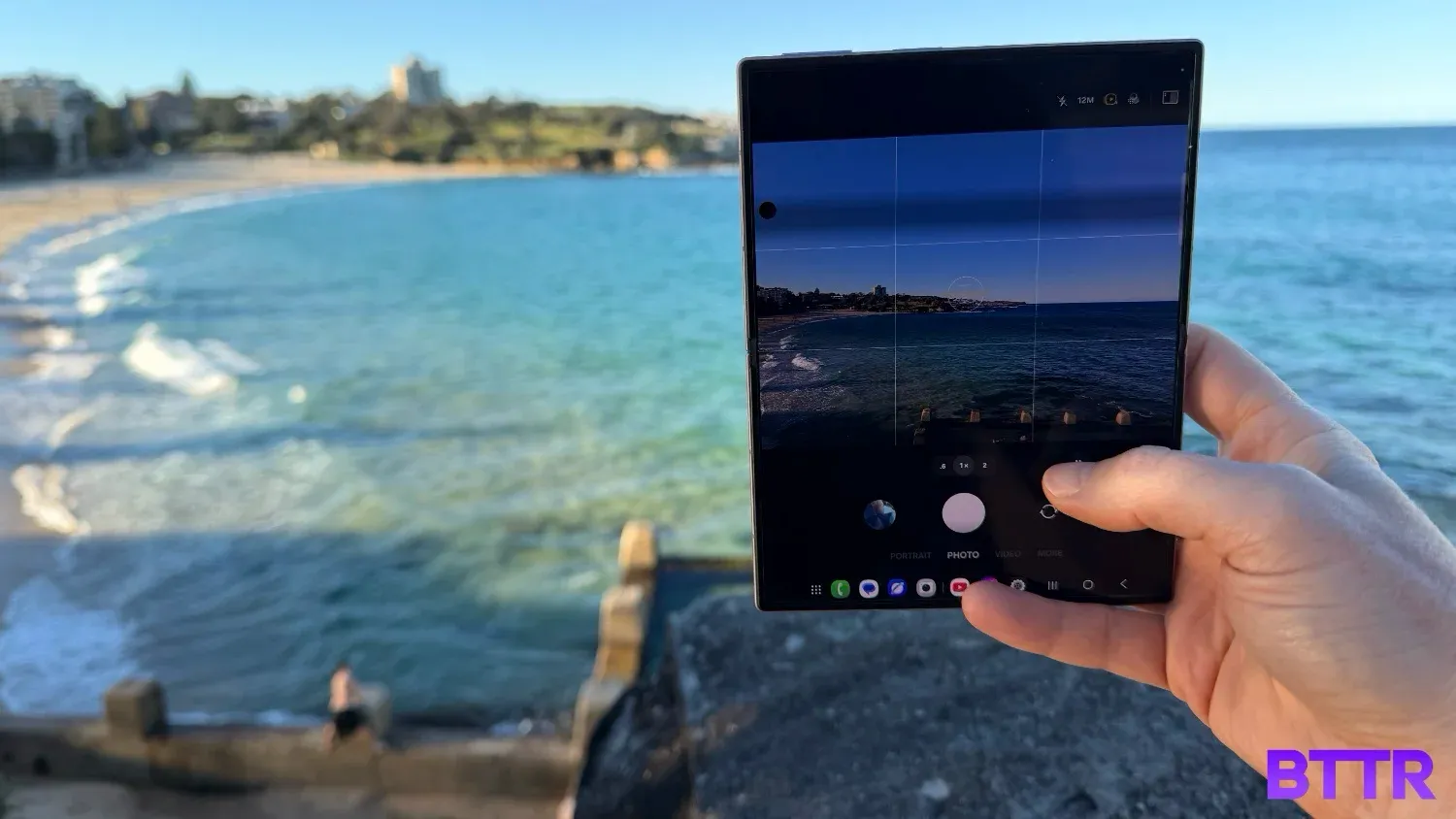
Nobody does a screen quite like Samsung. Both the internal and external screens are bright and vibrant. Samsung has pushed the peak brightness stat for both the internal and external display up to a massive 3,000 nits.
Even better than that, though, is that it doesn’t detract from the colour and vibrancy of the screen. Watching HDR videos or playing back photos on either screen is immersive, bright, and brilliant.
As mentioned before, though, the only real downside with the screen I’ve found is that the internal display, in particular, is a real fingerprint magnet. And because of the screen’s size, just using a corner of your T-shirt to wipe the screen is a bit awkward.
The 120Hz refresh rate makes the phone pretty good for gaming, too. The 4:3 aspect ratio is better for FPS games like COD: Mobile and Fortnite, but there is one issue to be aware of.
If you use a mobile game controller with a USB-C port, Samsung has placed its charging port on the bottom of the phone. That means you can only connect it to a device like the BackBone Pro if you turn the screen sideways.
When I did that playing Fortnite, the screen wouldn’t rotate, so I had to look at the phone sideways.
Camera performance
Cameras are always one of the key areas manufacturers differentiate the top of the line from the model down, so it’s no surprise that the Fold8 doesn’t have Samsung’s best camera array inside.
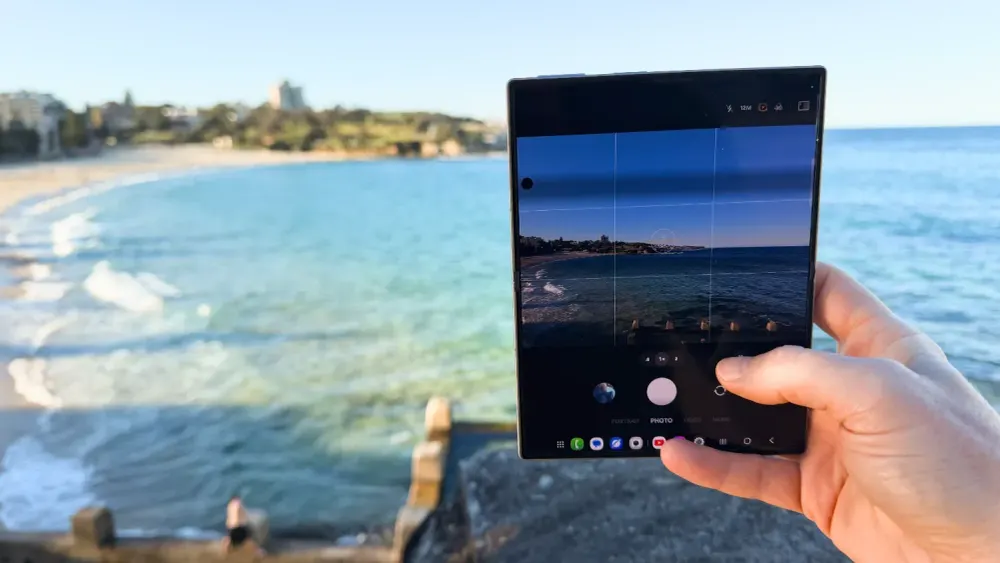
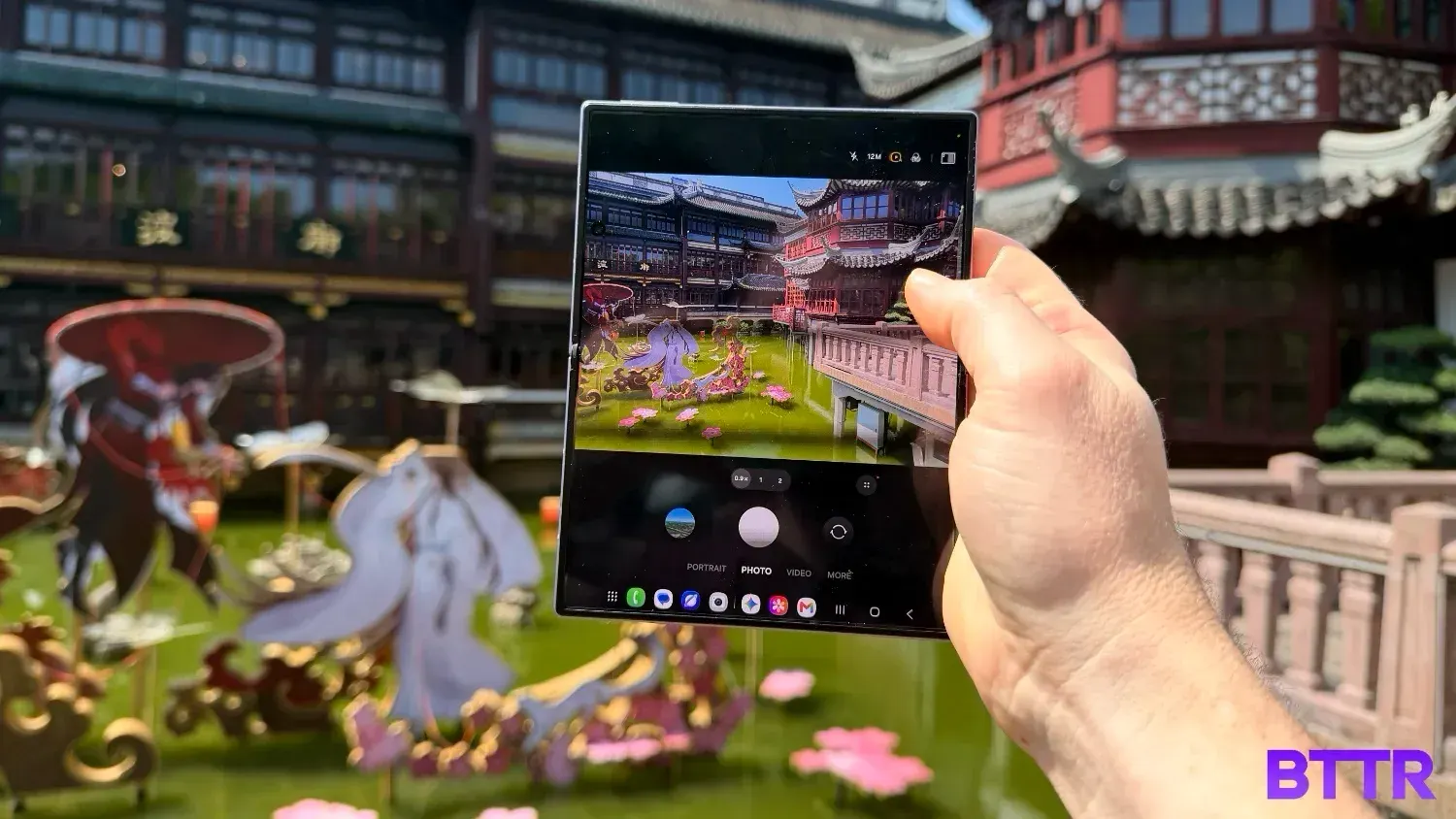
You get a dual 50MP + 50MP setup on the back, offering 2x crop optical zoom. There’s a 10MP pinhole front camera on the front cover display, and a second on the internal display as well..
The 50MP wide-angle camera is arguably the biggest upgrade over last year’s Fold7, and it’s a decent snapper. If you prefer being able to zoom in on your subjects, then you’ll definitely want to consider looking at the Fold8 Ultra or the S26 Ultra, though.
The foldable form factor also allows for a few unique shooting situations. Dual cam lets you shoot from both front and back cameras simultaneously, though I don’t think many people will find that too useful.
Being able to see yourself on the front display while using the main cameras as a selfie camera is arguably more useful. The feature works well, but it requires manual activation each time – at least so far as I could tell. It’s also a little awkward holding the phone open in tablet mode while shooting a selfie-shot.
But the result is solid. Photos have good detail and sharpness, and plenty of colour. Low light can be a bit harder to get a blur-free image, but if you have the patience and steady hands, it’s definitely possible.



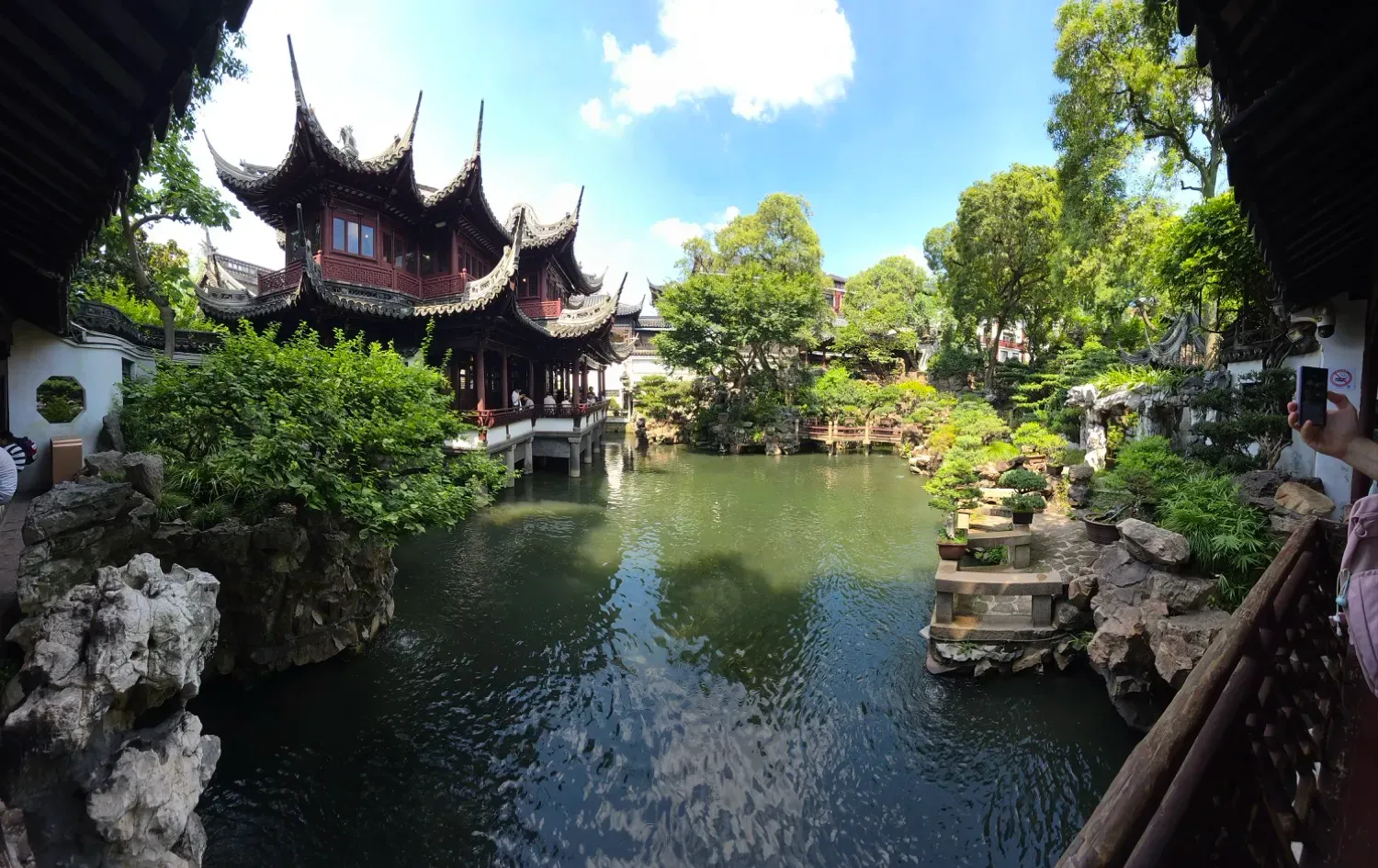
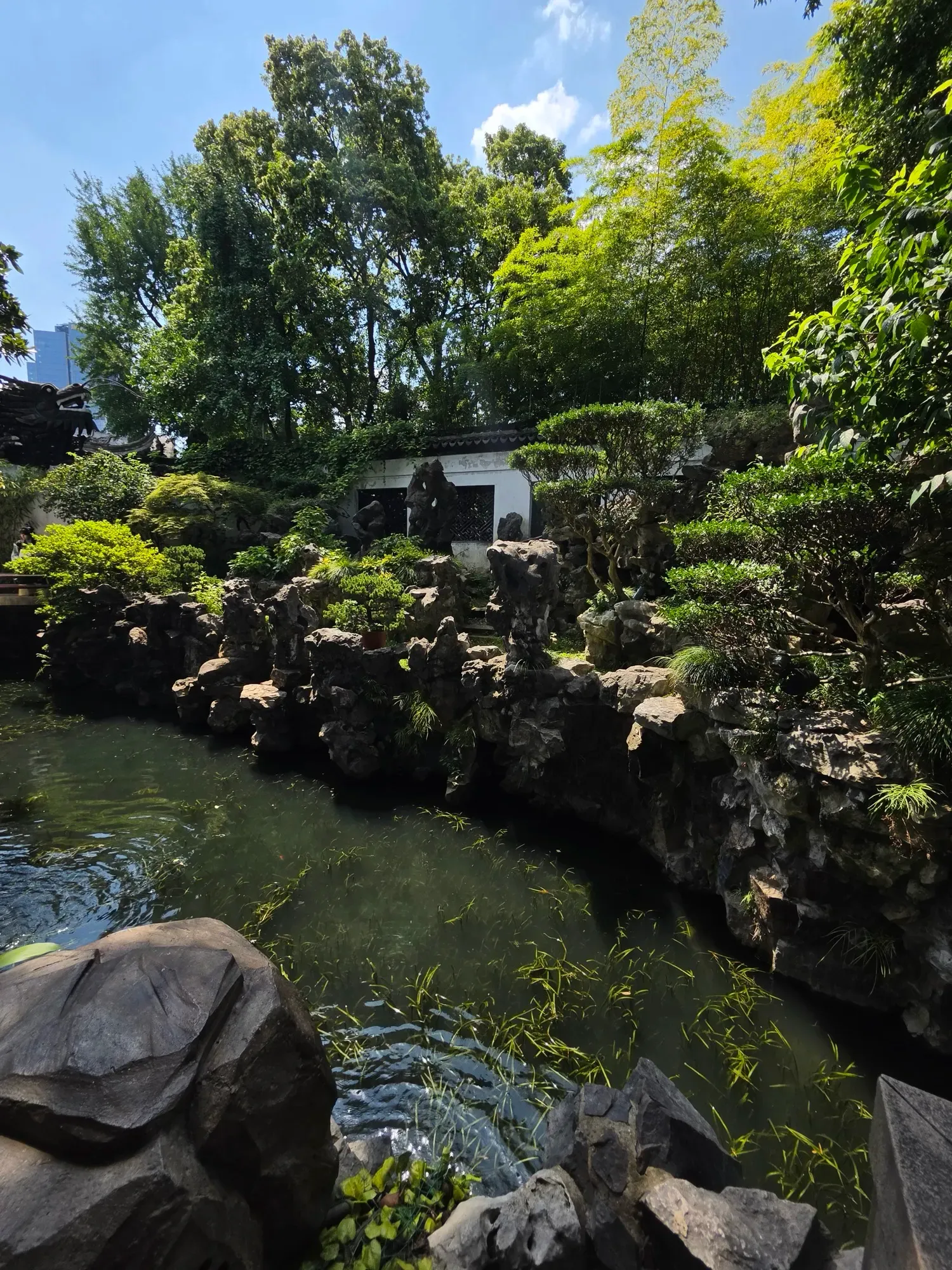
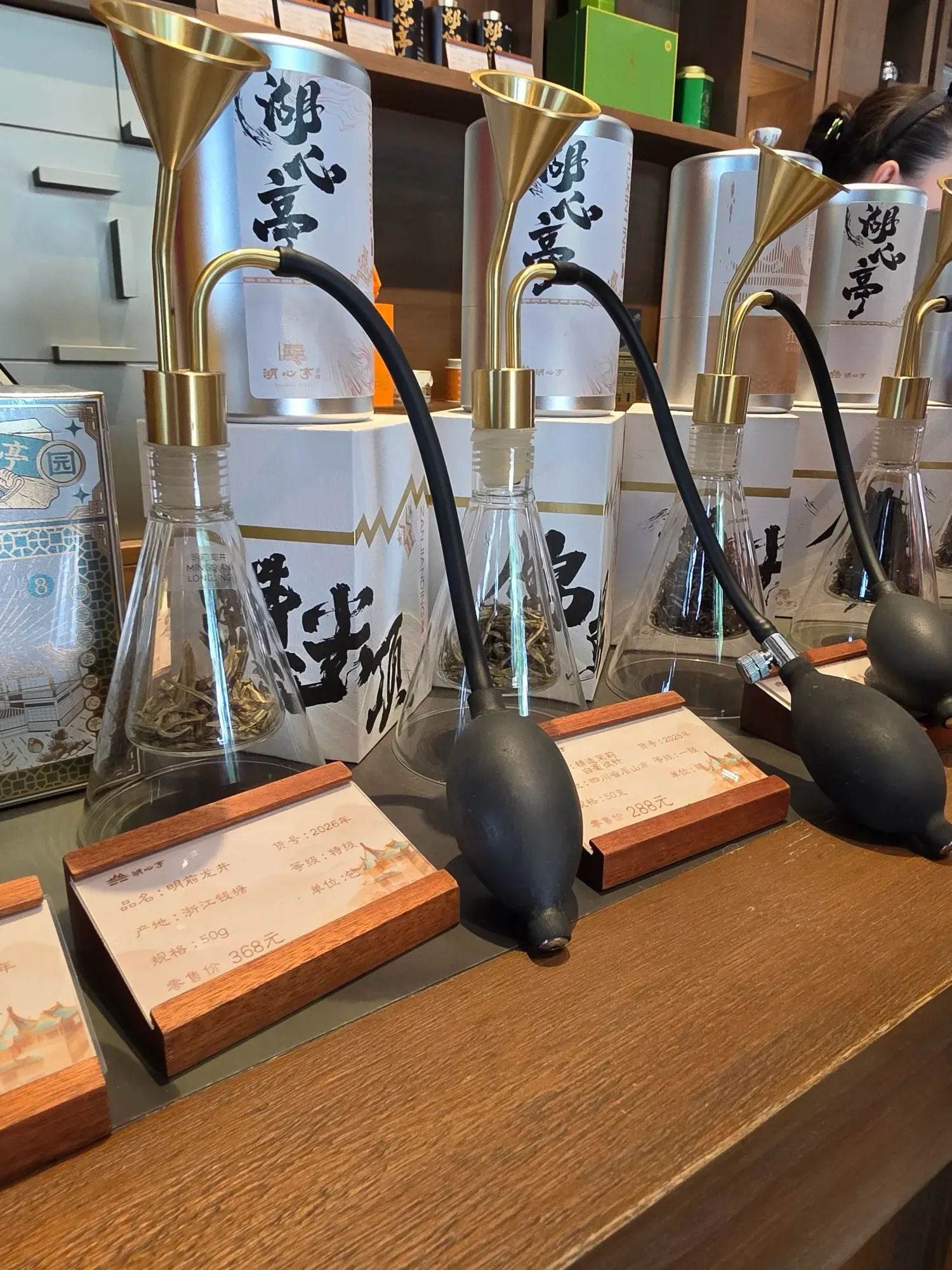

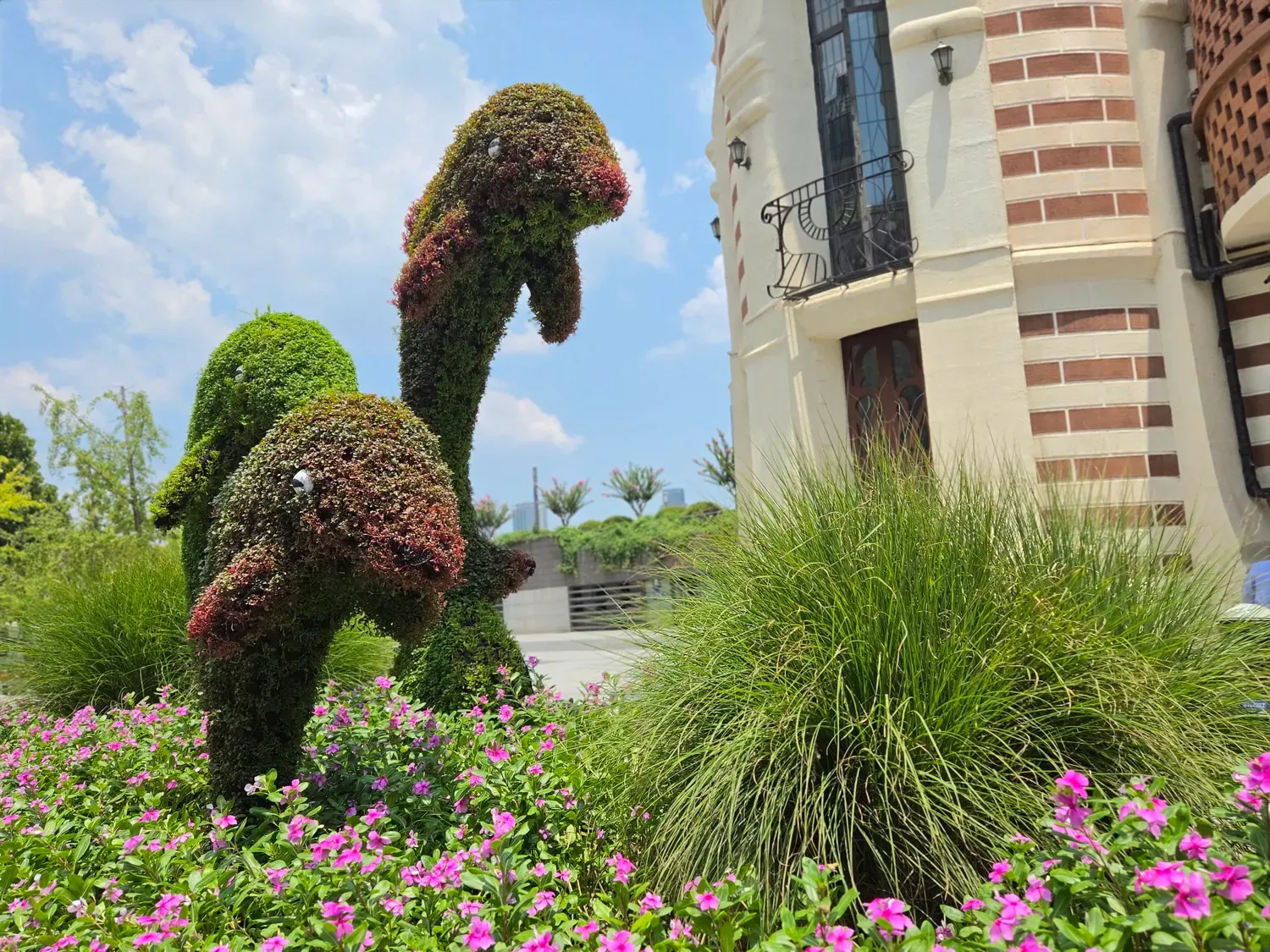
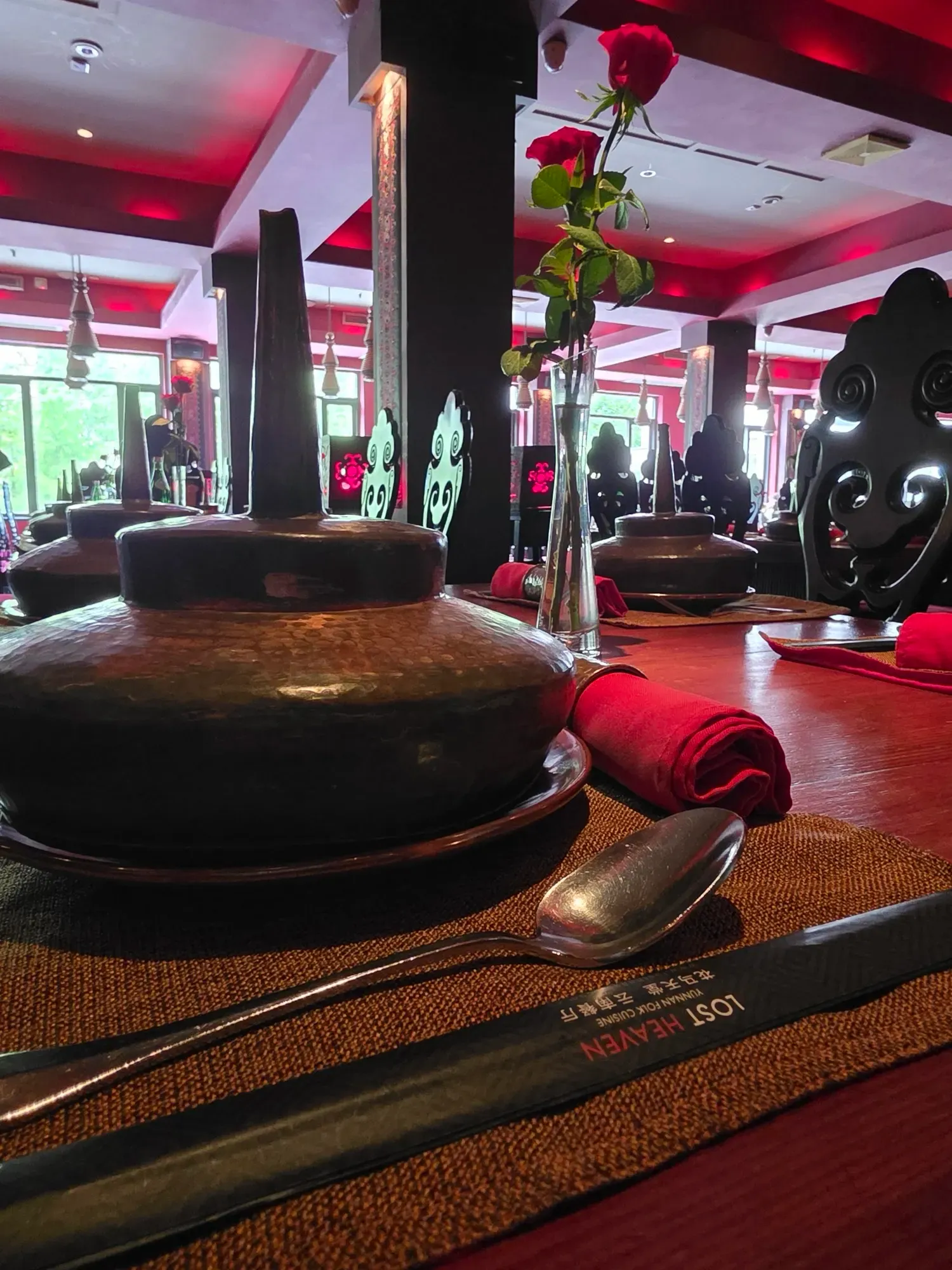
A gallery of images taken with the Galaxy Z Fold8
Battery life and software
You shouldn’t have any issues with battery with the Z Fold8. I happily got through a day and then some.
Samsung’s newer battery tech allows for 45W fast charging, which is a nice inclusion, but not something I could test without the fast charger. While I think I would be surprised if it were different at this point, the Z Fold8 also doesn’t support Qi2 magnetic wireless charging out of the box.
I know this probably doesn’t rank very highly for some people, but the discovery of magnetic charging was a massive change for how I use my phone, so Samsung’s reluctance to build it into its devices without needing an optional extra case is quite frustrating. Especially here, where wireless charging is included.
On the software front, Samsung continues to push its AI-powered Now Brief, as well as photo and video editing software. Things like My FanCam sound fun on paper, but I can count on a closed fist how many times I would have found that useful during my review period.
Gemini is baked in pretty deeply for those that want it. I still find it entirely too unreliable, and simply don’t use it beyond some cursory tests during the review period.
Verdict
Samsung has designed a winning phone here. The passport shape works better than any of the taller foldables I’ve tested in the past. I honestly expect most foldables to follow this form factor within a few years.
The screens are brilliant, and the internal display has the least obvious crease Samsung has ever released in its Fold lineup, though it’s still a bit more obvious than OPPO’s Find N6.
The cameras aren’t the best on offer from a Samsung phone, but then again, this isn’t the flagship foldable, so it would be a surprise if they were.
But for all that’s great about this phone — and there’s a lot — it has one massive disadvantage. With its starting price of $2,699, it’s frankly an unachievable purchase for so many Australians who might want to shift to a foldable form factor.
And I say this, knowing full well that $2,699 is actually a couple of hundred dollars cheaper than the Fold7 at launch.
But the difference between the models is the audience. The Fold7 was really targeted towards early adopters and business users, keen on the productivity benefits.
The Fold8 is much more approachable for the everyday person – for people who want to watch Disney+ on their commute, or read a book in bed.
If you can afford the asking price, then the Galaxy Z Fold8 won’t disappoint. But for the rest of us, foldables still appear to sit out of reach.
Buy the Samsung Galaxy Z Fold8 if
- You mainly watch, game, or read on your phone. The 4:3 inner screen and squat cover display are built for content, rather than spreadsheet-style productivity.
- You want a foldable you can actually use one-handed. The shorter, wider cover screen is comfortable for one-handed typing and scrolling in a way previous Fold cover screens weren't.
- All-day battery matters more to you than raw benchmark numbers. The 4,800mAh silicon carbon cell easily clears a full day of mixed use, even though the chip itself is only a small step up from the Fold7.
- The crease has put you off Fold phones before. Flex Titanium tech makes it far less visible and less noticeable underfoot than any previous Galaxy Fold.
Skip the Samsung Galaxy Z Fold8 if
- You want real zoom range. There's no telephoto lens, just a 2x crop from the main sensor and softer digital zoom beyond that. Look at the Fold8 Ultra or S26 Ultra if reach matters.
- You expect a generational performance leap. Benchmarks land close to last year's Fold7, so this isn't the upgrade if raw processing power is the deciding factor.
- You want wireless charging with magnetic alignment out of the box. Qi2 magnets aren't built in, so you'll need an extra case to get snap-on charging.
- $2,699 is a stretch for you. That's the entry price for the smallest storage tier, and it puts the Fold8 well outside what most Australians spend on a phone.
Latest smartphone deals
Frequently Asked Questions
How long does the Galaxy Z Fold8's battery last?
The 4,800mAh silicon carbon battery is rated for up to 26 hours of video playback, and in daily use it comfortably lasts a full day of mixed use, including gaming, video and multitasking across the inner display. Charging is fast too, with 45W wired charging built in if you supply a compatible charger.
Does the Galaxy Z Fold8 have a zoom lens?
No. The dual rear cameras are both 50MP, offering a 2x "optical quality" zoom through pixel cropping and digital zoom up to 10x, which gets noticeably softer past 2x. If you want a dedicated telephoto lens, look at the Galaxy Z Fold8 Ultra or Galaxy S26 Ultra instead.
Is the Galaxy Z Fold8 water and dust resistant?
It carries an IP48 rating, which means it can handle splashes and brief submersion in water, but it isn't rated against dust ingress. Keep it away from sand and dusty environments if you can.
Does the Galaxy Z Fold8 support wireless charging?
Yes, standard Qi wireless charging is built in, but there's no magnetic Qi2 ring inside the phone itself. You'll need a case with magnets if you want the snap-on alignment that phones like the iPhone or Pixel offer natively.
What's the difference between the Galaxy Z Fold8 and the Galaxy Z Fold8 Ultra?
The Fold8 uses a new, shorter and wider "passport" design aimed at everyday content consumption and one-handed use. The Fold8 Ultra keeps the taller, more traditional Fold shape and is positioned as the productivity-focused option, with a handful of spec upgrades over the standard Fold8.
Is the crease still visible on the Galaxy Z Fold8?
It's far less visible than on any previous Galaxy Fold, thanks to Samsung's new Flex Titanium hinge technology. It's not completely gone, and it's still a touch more noticeable than on OPPO's Find N6, but it's a real step forward for Samsung.