

BTTR is independent. We may earn a commission if you buy through our links.
Why trust us? | How we test
We're still a week or so away from Samsung unveiling its 2026 foldable smartphones, but today the company has given us a bit of a preview of what to expect.
Samsung has broken down the new Flex Titanium technology underlying the hinges on the new foldable models. Given how impressed I was with OPPO's crease-free foldable screen, I expect Samsung is going to deliver something similar this year.
Flex Titanium isn't really about the hinge itself. It's a rebuilt display structure sitting inside it, built on what Samsung calls seven generations of foldable know-how.
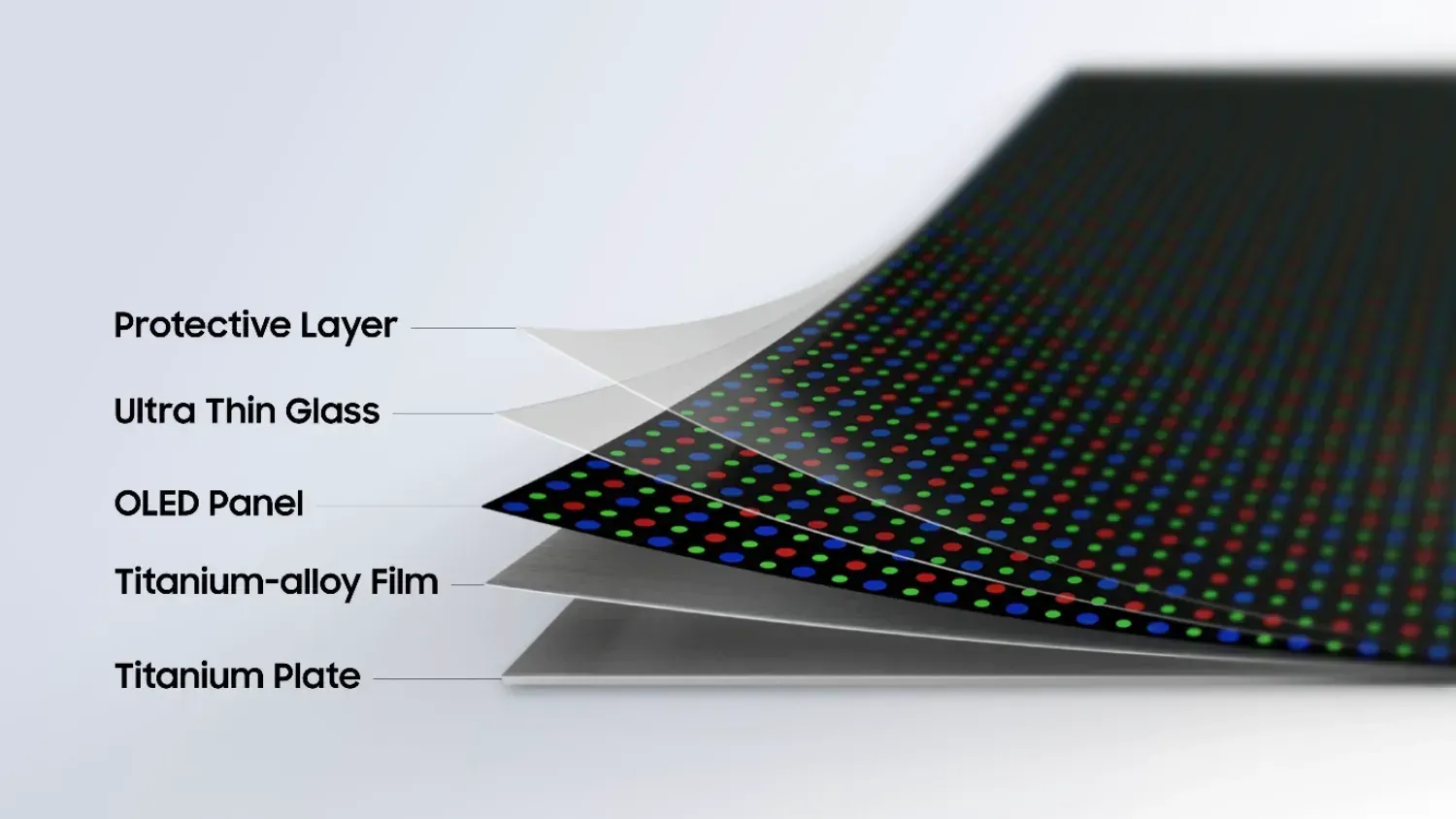
The tech combines two titanium components: an ultra-thin titanium-alloy film that sits under the OLED panel, and a titanium plate beneath that, which supports the whole display when it's unfolded.
Precision rolling makes the film thin enough to fit inside a slim foldable, while the plate uses advanced hole processing to bond tighter to the display module and remove the air gaps that usually create weak spots.
For anyone who's used a foldable, the benefit is less crease, sturdier support when the phone's open flat, and a display built to survive years of folding without the dreaded dip down the middle.
Samsung has also paired the new structure with a higher resolution display architecture and better power efficiency, so expect a sharper, longer lasting screen too.
Company spokesperson Sunghoon Moon, EVP and Senior Executive of Samsung's Mobile R&D Office, said the update reflects years of listening to how people actually use their foldables.
"Samsung's strength in the foldable category comes from connecting user needs with our technologies that deliver tangible benefits in everyday life," he said. "For the next generation of Galaxy foldables, Samsung is building on years of expertise to bring display innovations into devices that enhance user experiences, anchored by exceptional viewing experiences."
Titanium is a curious choice given how demanding it is to work with. It's the same material used in satellite antennas and Mars rover wheels, prized for its strength but notoriously stiff, which makes it tricky to bend thousands of times inside a foldable hinge.
Samsung Display says its micro-patterned hole design is what makes that flexibility possible without giving up durability.
I reviewed OPPO's Find N6 recently and came away convinced its "zero-feel crease" was the best a foldable screen has ever looked. If Flex Titanium gets Samsung's next Galaxy Z Fold anywhere near that mark, this generation could be the most convincing foldable Samsung has made yet.
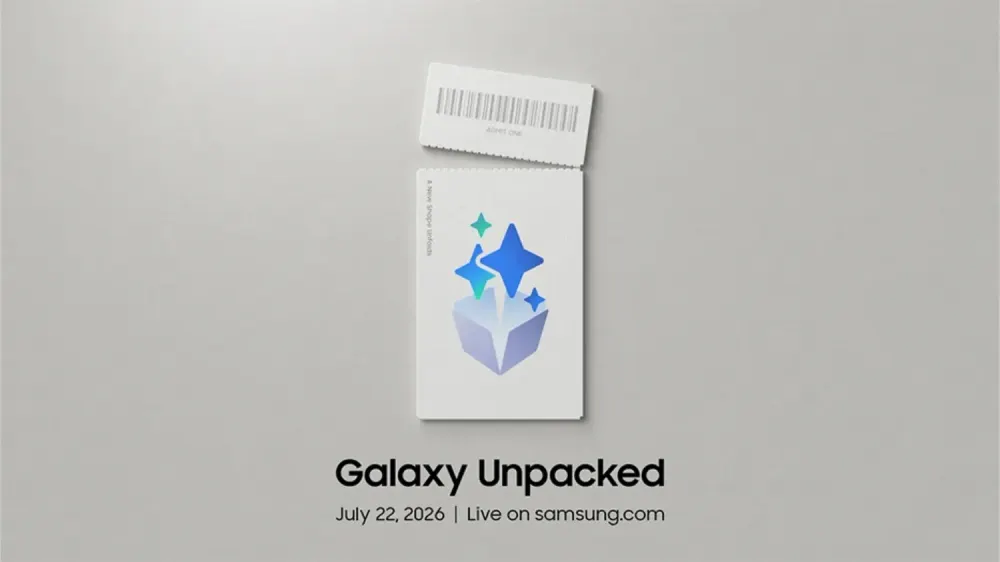
We'll find out exactly which devices get Flex Titanium technology, and what they'll cost locally, when Samsung takes the stage at Galaxy Unpacked on July 22.
Latest smartphone deals